Some of the biggest symptoms of a drain field failure include a foul stench, backed-up toilets and drains, and mushy grass or standing water on top of the drain field. Also, if the grass above your leach field starts suddenly growing faster and looks thicker or healthier than the rest of your lawn, it could be a sign that it isn’t getting rid of waste properly.
Several things can ruin a septic tank over time, including dumping harsh chemicals (like bleach and ammonia), pesticides, and paint thinners down your drain because they can kill the bacteria in your septic tank. You should also make sure to only flush waste and toilet paper in your toilet—otherwise, you could clog your system.
There are several homemade solutions for clearing a clogged sink that don’t involve pouring harsh chemicals down your drain. Start by pouring hot (but not boiling) water down the drain. This can help dissolve and flush away grease and gunk. A splash of dish soap down the drain can also cut through fat and make it easier to clear the drain. For a more stubborn blockage, grab a plunger and give it a few firm pumps to dislodge the clog.
Some flushable wipes companies say they are designed to disintegrate within a few hours to a few days after being flushed. These wipes allegedly use materials that are more water-soluble than traditional wipes. However, many experts have raised concerns that even so-called "flushable" wipes do not break down as easily as claimed and can contribute to clogs and blockages in sewer systems.
To prevent plumbing and sewer problems, avoid flushing wipes, even those labeled as flushable. Instead, dispose of them in the trash. This can help prevent costly plumbing issues and reduce the strain on wastewater treatment systems.
There are a few signs that indicate a failing drain field. For instance, if your septic tank starts requiring more pumping than normal, your drain field might be failing. Other signs to watch for include poor drainage after rain, standing water or sewage over the septic system, a strong septic smell outside, new and healthy grass growing over the drain field, and plumbing backups in your sinks, bathtubs, or toilets.
The Bowman, ND homeowners’ guide to aquarium services
From average costs to expert advice, get all the answers you need to get your job done.
Discover mosquito control service cost estimates, including average prices, key cost factors, and tips to save on professional mosquito treatments for your home.
If you’re moving, you need to consider distance, weight, packing, and more. Our guide provides the average cost to move a 3-bedroom house long distance.
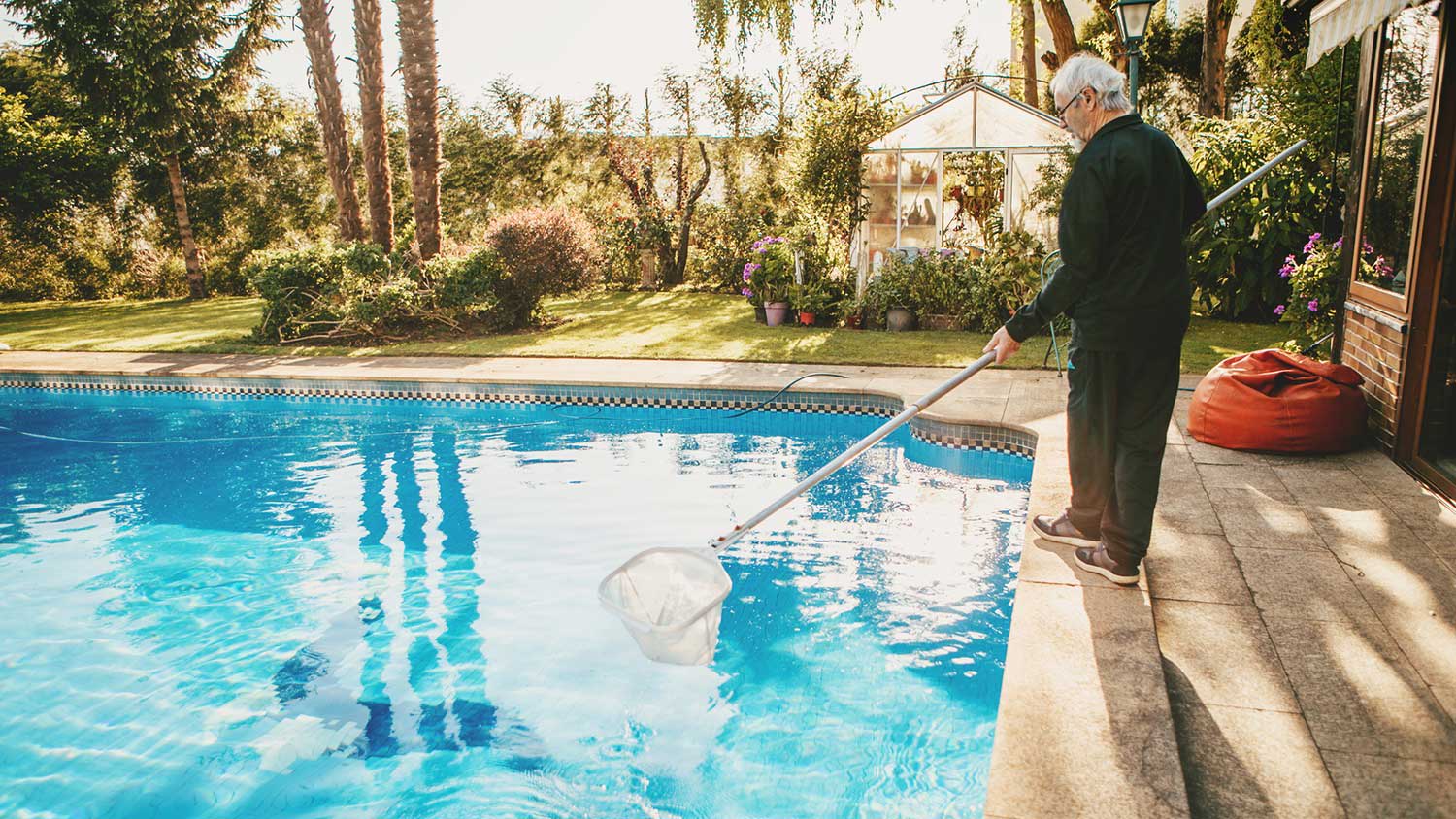
If you live in an area without very cold winters but tempted to close your pool during the cooler months, read on. We dive into the many benefits of winter service.
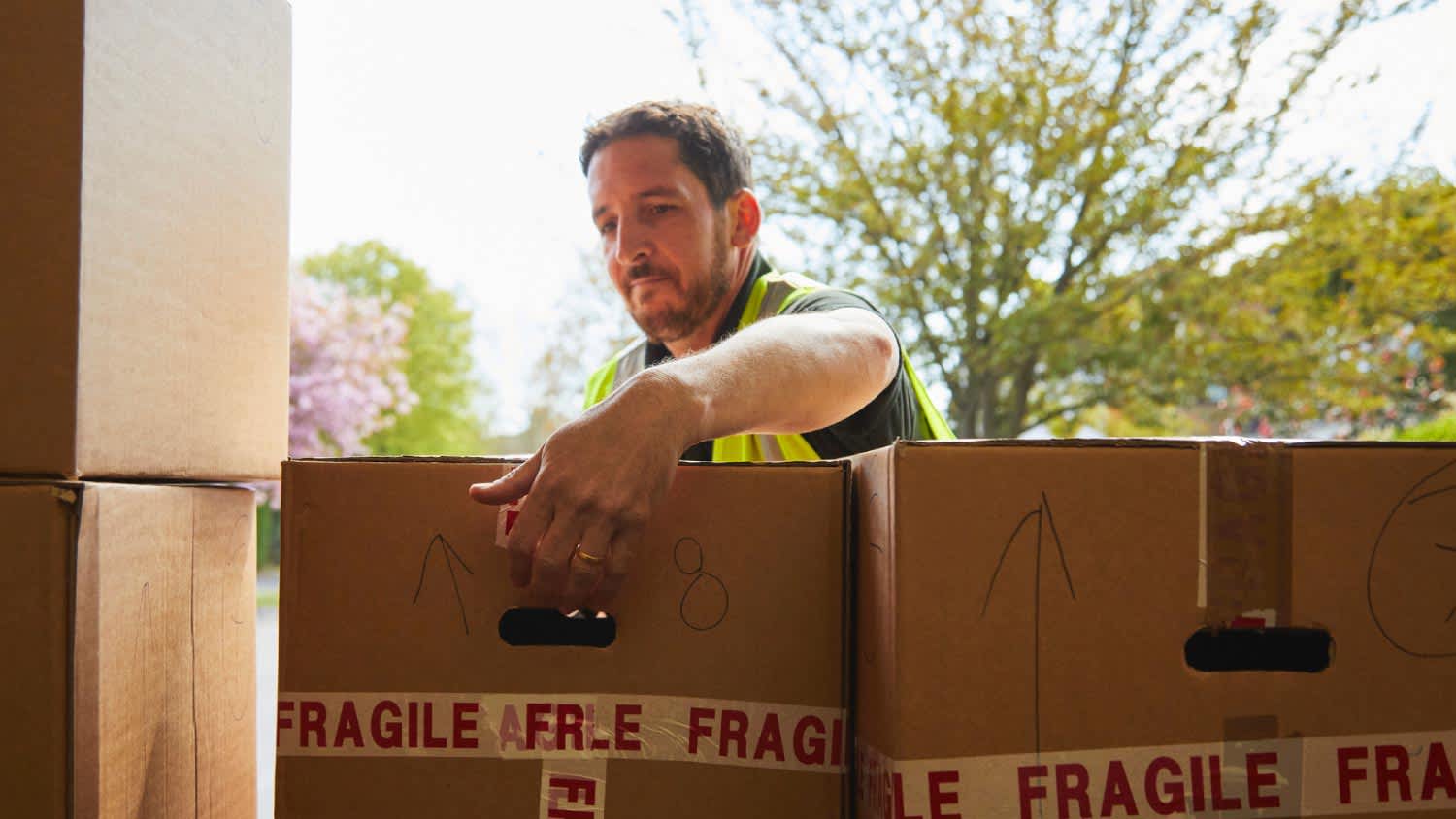
Learn about home items that are nearly impossible to move without movers, either because they are awkwardly shaped, too heavy, or require special equipment.