


Top-rated dryer vent cleaners.

Best dryer vent cleaners near Bloom, ND

Enter your zip and get matched with up to 5 pros

Need a pro for your dryer vent cleaning project in Bloom, ND?

Select your specific project to find the pro for you.

Top-Rated Dryer vent cleaners in Bloom - Updated Nov 2026

Dryer Vent Cleaning FAQs, answered by experts

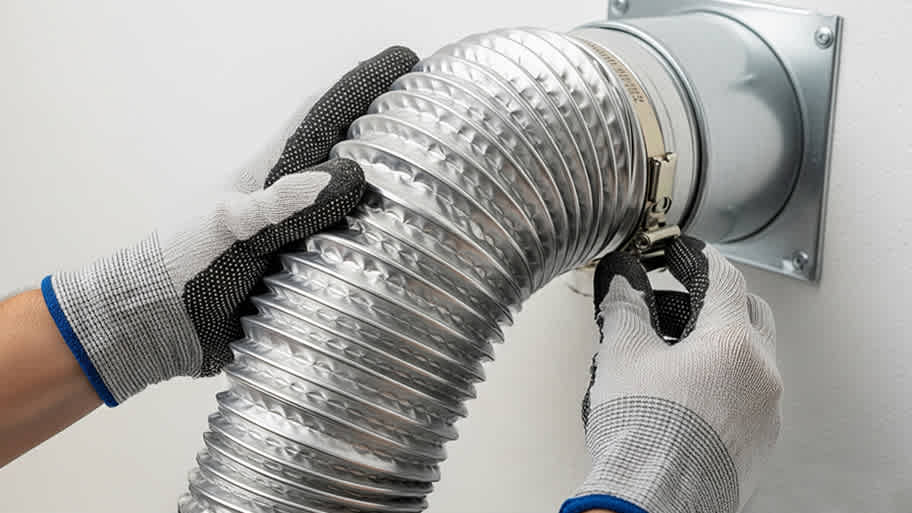
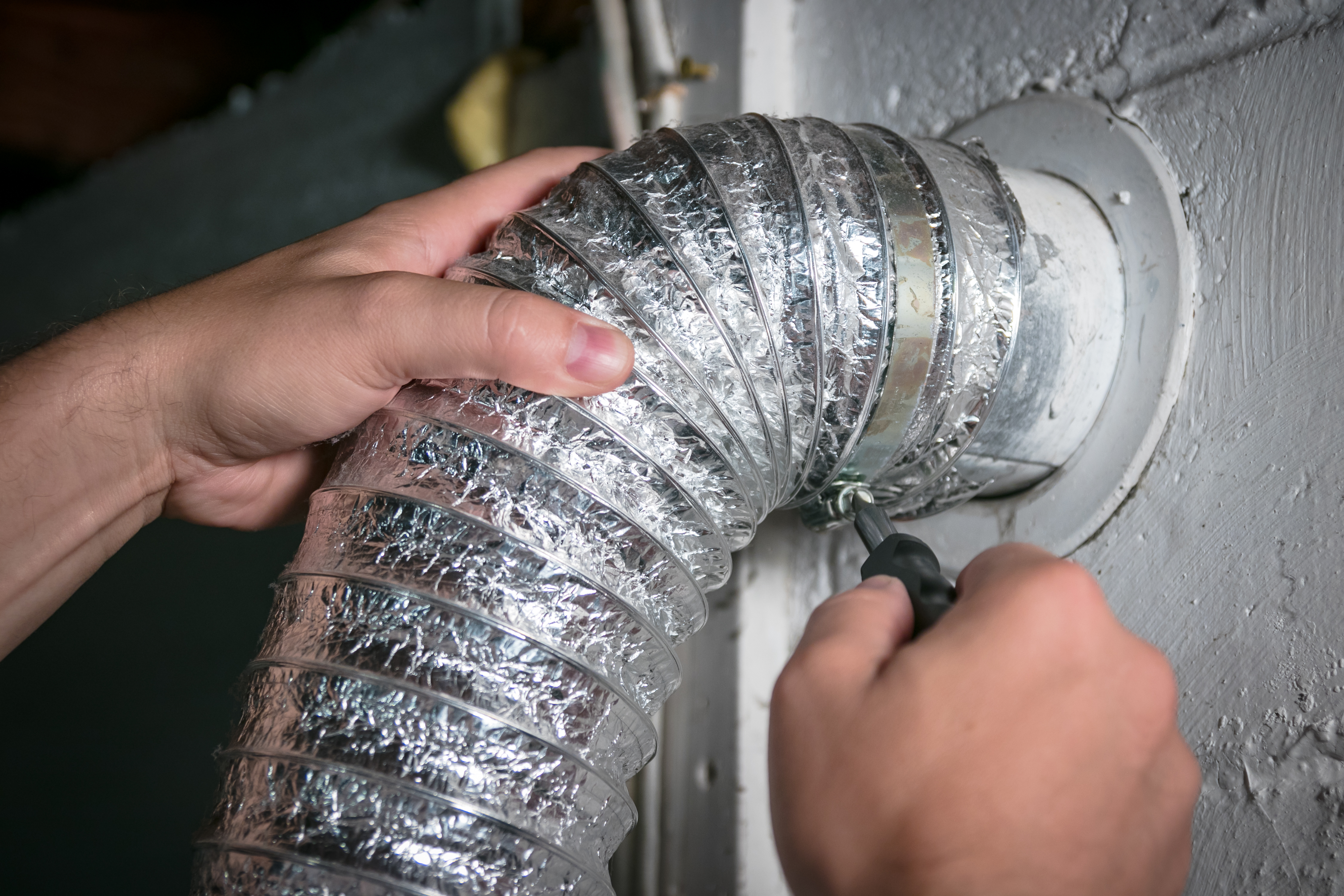
Condensation in your dryer can create a dangerous situation. It can cause lint to clog up the venting components of the system. If you have a gas-powered dryer, excessive lint buildup can create the potential for carbon dioxide buildup within your home. Clogged vent systems can also be a severe fire hazard. 

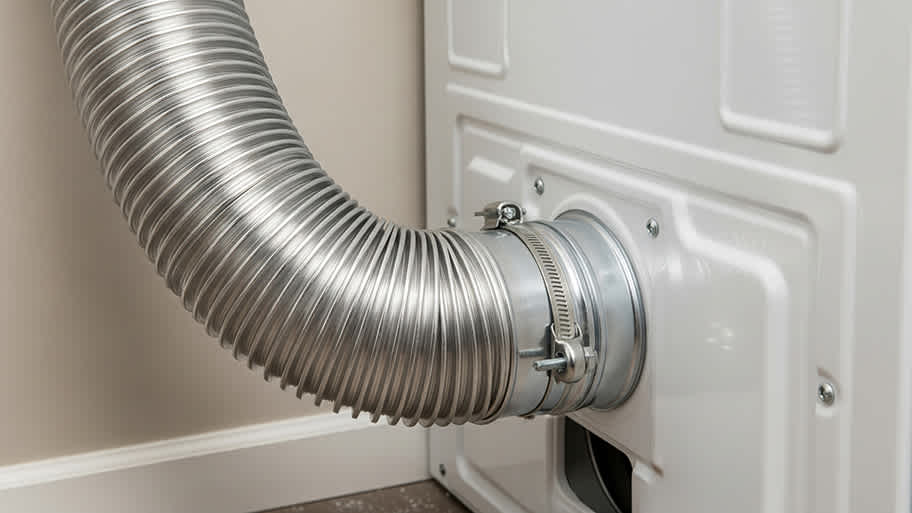
Dryers pull in air from a circular opening in the back of the dryer. The dryer's heating element heats the air, and a blower fan circulates the hot air through the drum. The hot air travels outside the dryer through a vent or is cooled by a heat exchanger that condenses the steam into water and sends it down a drainpipe or to a containment compartment.

Conducting quick dryer maintenance can extend its lifespan. Help your dryer stay in mint condition by cleaning the lint trap before and after every cycle. This keeps leftover lint from accumulating in your dryer vent, which is one of the leading causes of household fires, according to the U.S. Fire Administration.

You can also wipe down the lint screen with dish soap every few months to keep it extra clean. A basic wipedown of the drum every few months and a deep clean of the exhaust vent once a year are beneficial, too. 

The length of an allowable dryer vent varies based on the local building codes and regulations. Typically, the maximum range is 25 to 35 feet. However, if the vent must have any 90-degree turns, you may see a reduction of five feet from the maximum. Some municipalities may have no specific maximum allowable length as part of the code. Typically, installers will run the vent over the shortest possible distance for safety. The dryer vent cleaning cost is less with a shorter vent length as well. 

You’ll find the backdraft damper near the top of the range hood (where it connects to the ductwork). However, some range hoods also have a second damper, which is located close to the roof or exterior wall where the ductwork ends. If you don’t see a damper in either of these places, you might not have one.

The Bloom, ND homeowners’ guide to dryer vent cleaning services

From average costs to expert advice, get all the answers you need to get your job done.