






Top-rated lawn irrigation specialists.

Get matched with top lawn irrigation specialists in Bloom, ND

Enter your zip and get matched with up to 5 pros

Need a pro for your lawn irrigation project in Bloom, ND?

Select your specific project to find the pro for you.

Find Lawn irrigation specialists in Bloom

Lawn Irrigation questions, answered by experts

Choosing between sod and seed depends on your budget, timeline, and maintenance preferences.

Sod:

  • Pros: Provides an instant, lush lawn and immediate curb appeal. It's more resistant to weeds and erosion, can be installed any time during the growing season, and offers a consistent appearance.

  • Cons: Has a higher upfront cost, typically $0.90 to $1.80 more per square foot than seed. It offers fewer grass varieties and must be installed immediately upon delivery.

Seed:

  • Pros: Less expensive upfront, making it a budget-friendly option. It offers a wider variety of grass types and is easier for a DIY installation.

  • Cons: Takes much longer to establish, potentially up to two years for a full lawn. It requires more maintenance, including regular weed control, and is more difficult to cultivate.

Ultimately, if you want a beautiful lawn quickly and have a larger budget, sod is an excellent choice. If you are patient, want to save money, and prefer a wider selection of grass types, seeding may be the better option.

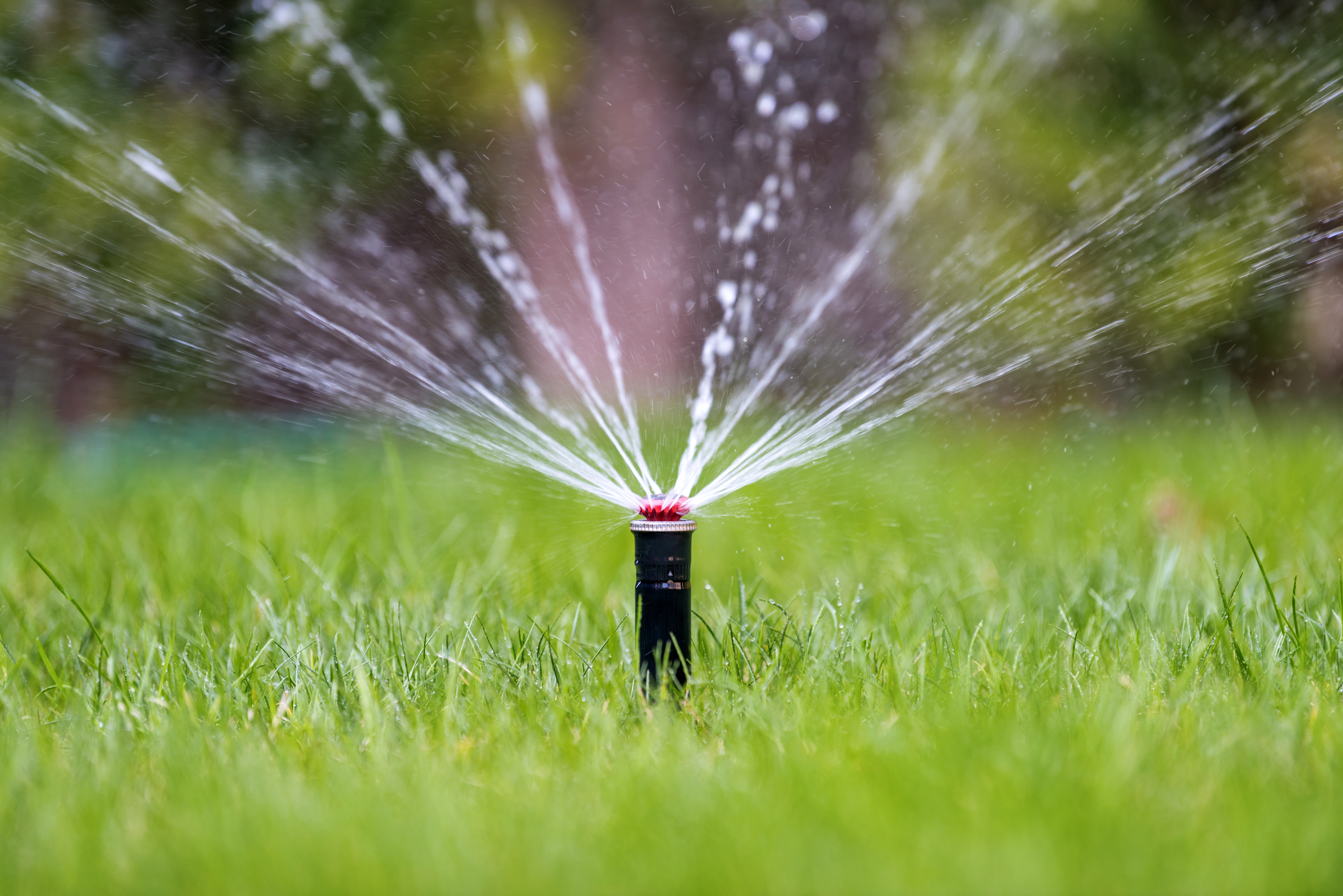
There are several best practices you can do to keep your lawn looking healthy. Knowing when to water grass is among the most important. Having your sprinkler timer set to early morning is best because it gives your grass and plants enough time to absorb water before the sun and wind can evaporate it. To maximize a sprinkler’s impact, aerate your lawn once or twice per year. Doing this achieves better absorption and stronger root systems for your grass.

If thrown on the ground and left, some Bermuda seeds will sprout on the surface, but you will have a diminished germination rate. It’s best to cultivate the area before spreading the seeds for optimal results. Rake the area first and then evenly distribute the Bermuda seeds. Cover the space with about ¼ inch of soil before watering the area.

Although these terms sound similar and are sometimes used interchangeably, overseeding and reseeding your lawn are very different processes. Overseeding, the simpler of the two, involves a few steps to restore thinned or patchy grass by raking, aerating, and seeding uneven areas of turf to promote regrowth.

Reseeding a lawn is a more drastic and involved process, often necessary if the lawn is diseased, more than a third dead, or very overgrown with weeds. Unlike overseeding, it requires removing most of the existing lawn and starting a new one from scratch, a much bigger and more time-consuming job.

Always mow the lawn on a short setting when overseeding. The thinner coverage offers more space for the grass seed to take root in the soil. When reseeding a lawn, however, you may need to remove your old turf altogether.

The Bloom, ND homeowners’ guide to lawn irrigation services

From average costs to expert advice, get all the answers you need to get your job done.