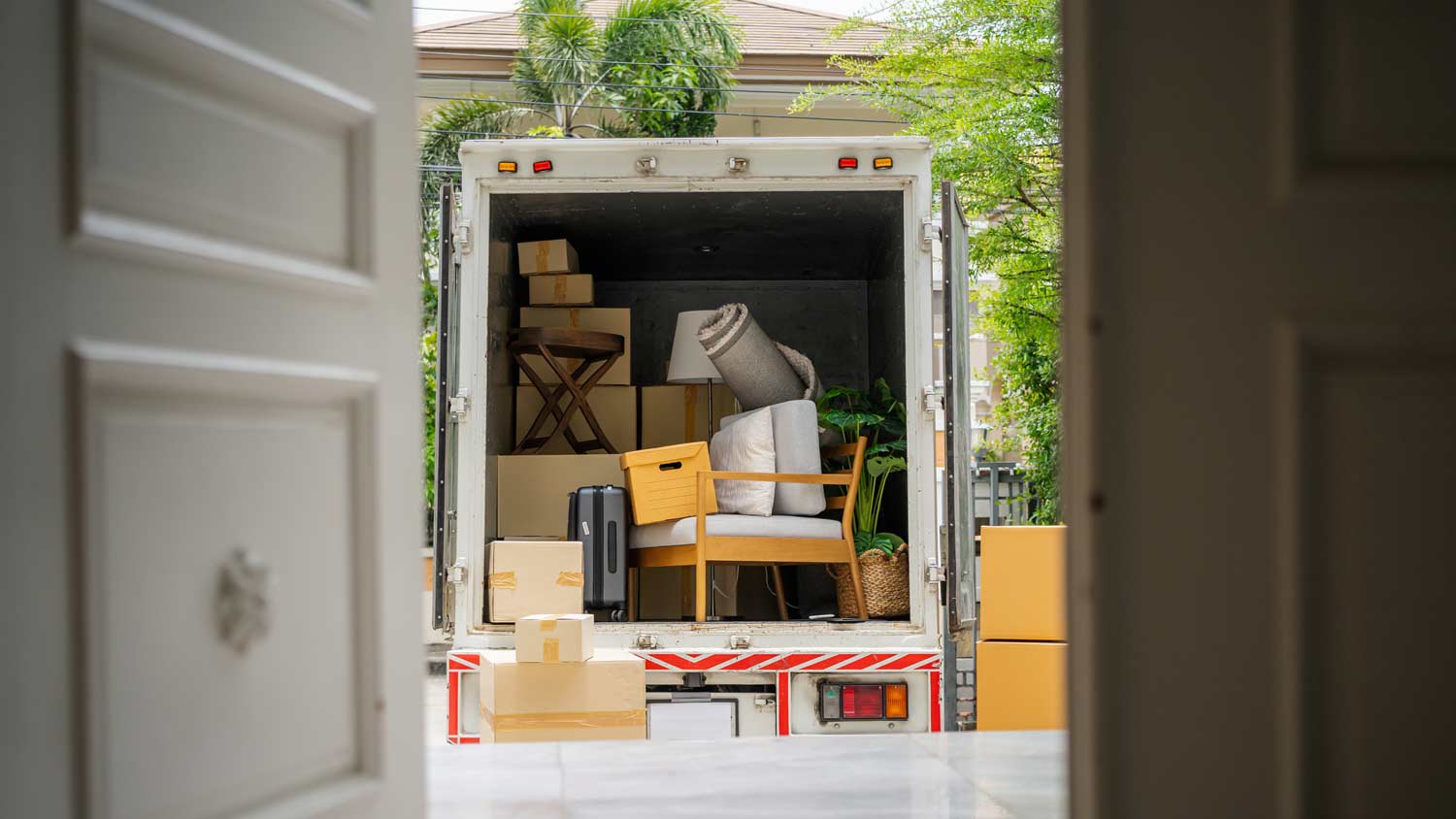
Tipping movers is not mandatory, and most professional companies do not expect it. However, it is a common way to show appreciation for their hard work and the care they take with your belongings and home. A standard tip is between 10% and 20% of your total bill, split among the crew, or about $10 per mover per hour, tipped individually. It's an especially good idea to tip if the movers work in difficult weather, handle specialty items like pianos or pool tables, provide extra packing services, or go above and beyond your expectations.
Planning ahead is essential—this will give you the chance to coordinate your move during weekends or after business hours, and set up essential services in your new office before moving day to minimize downtime. Start by creating a detailed timeline and checklist for every phase of the move, from packing to unpacking. Inform your employees, clients, and vendors about the move well in advance, including any expected disruptions and how you plan to manage them. Delegate responsibilities to ensure all aspects of the move are covered. Lastly, set up the essentials at the new location first to resume operations quickly.
Professional movers use dedicated packing materials like specialty boxes for artwork, TVs, clothes and other things that need to be moved with care. If professional movers are packing for you, they use foam, bubble wrap, and other cushioning for the journey. You can ask questions about how movers will handle specific items when you are getting a price estimate.
The cost to ship furniture can range from $300 to $4,500 per piece, depending on the size and weight of the item and where it’s being shipped to. For a cross-country move, which companies consider any distance over 400 miles, it will cost $300 to $800 per piece to ship furniture. For an international move, shipping will cost around $1,000 to $4,500 per piece.
Yes, moving a piano often causes it to become out of tune, even if you're not moving the piano very far. One reason is that any temperature and humidity changes can affect a piano's tuning. Additionally, the bumps and jolts from a moving truck usually push a piano out of tune.
However, don't jump right to tuning it once the piano gets to your new home. Instead, it's best to wait at least two weeks for the instrument to acclimate to its new environment. After a couple weeks, you'll get an idea of what the piano will really sound like in its new home, at which point you can call a piano technician to get it properly tuned.
The Ashley, ND homeowners’ guide to professional moving service pianos
From average costs to expert advice, get all the answers you need to get your job done.
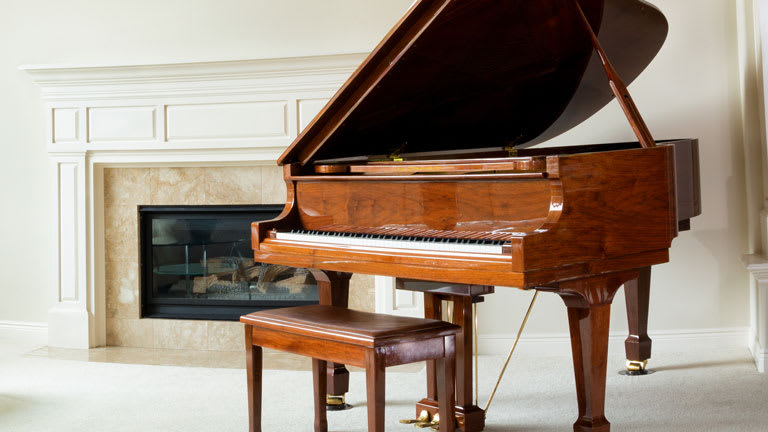
Planning a relocation? Learn everything you need to know about piano moving, including average costs, preparation steps, and how to hire the right local pro.

Professional piano movers help ensure the safe, smooth transportation of your instrument. Before you hire, it’s important to check qualifications, review references, and get a contract in writing. Find out the steps for hiring a piano mover here.