




Top-rated retaining wall installation pros.

Get matched with top retaining wall installation pros in Winton, NC

Enter your zip and get matched with up to 5 pros

Need a pro for your retaining wall installation project in Winton, NC?

Select your specific project to find the pro for you.

Find Retaining wall installation pros in Winton

Avatar for The Pro Group
The Pro Group
4.3(
22
)
Retaining Wall - Install

Serving Winton, NC and surrounding areas

In business since 1980

Free estimates

Emergency services offered

"Perfect work

(1) The valve has been installed without any water leak. 

(2) Now the new valve makes the sprinkler system work properly.

(3) The whole working area has been completely cleaned.

(4) The labor charge is at the minimal. 

(5) Significant cost has been saved compared with the quotes from other vendors.

(6) All receipts have neem provided for documentation."
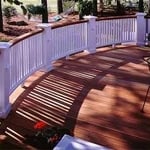
Additional Photos
Additional Photos
Recommended by93%of homeowners
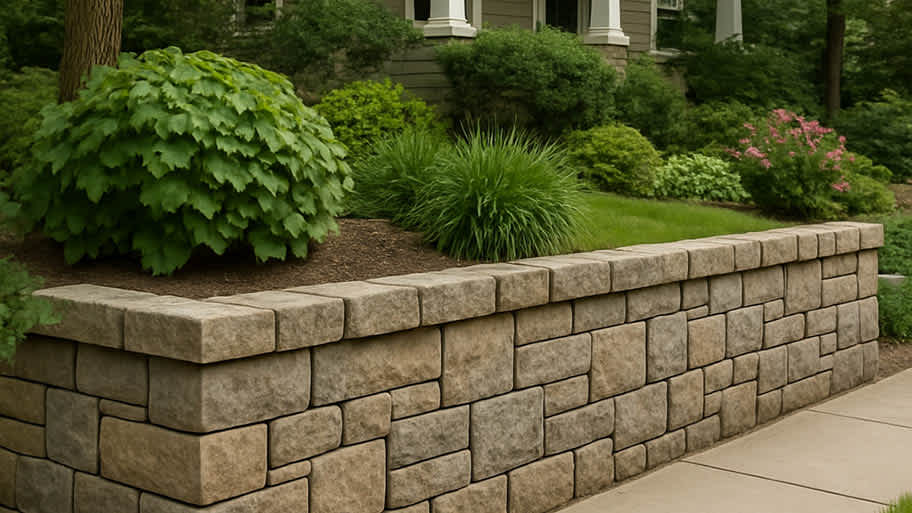
Retaining Wall Installers questions, answered by experts

Each design is different, so we can’t say definitively if you’ll need a dedicated drainage system in place for a two-foot retaining wall. However, you can likely skip the drainage, as this project is typically served for walls that are 4 feet tall or more. Even with a relatively low wall, consider drainage if you are building on top of clay or poor-draining soil types or if there are buried water sources nearby, like a well used for other outdoor garden projects.

With foundation walls, the slab on grade and force at the top of the wall is resisted by flooring. With retaining walls, the force at the top of the wall is not resisted.

Generally speaking, a retaining wall should be between 3 and 4 feet high, depending on variables such as the wall-building material, the purpose of the retaining wall, and more. If you want your retaining wall to be taller than 4 feet, check with your local building ordinance office for the maximum allotment. You may also need a special permit for retaining walls over 4 feet tall.

While vinyl is the least costly material for building a retaining wall, the most cost-effective method is to use wood or concrete blocks for a DIY retaining wall under 2 feet tall. Wood is inexpensive but lasts 20 years or more with care. Concrete can cost a little more but is stronger and will last longer with less maintenance.

The longevity of flood walls depends on how they were constructed, but most wood, gravel, and cement flood walls last 10 years. While aluminum flood walls may cost far more initially, they can be a good investment as they can last decades and will not be damaged by exposure to the elements.

The Winton, NC homeowners’ guide to retaining wall installation services

From average costs to expert advice, get all the answers you need to get your job done.