


Top-rated radon detection and reduction specialists.

Get matched with top radon detection and reduction specialists in Winton, NC

Enter your zip and get matched with up to 5 pros

Need a pro for your radon detection and reduction project in Winton, NC?

Select your specific project to find the pro for you.

Find Radon detection and reduction specialists in Winton

Avatar for SWAT Environmental, Inc.
SWAT Environmental, Inc.
4.3(
63
)
Radon Gas - Abatement

Serving Winton, NC and surrounding areas

In business since 2002

Free estimates

Credit card accepted

"I can not recommend this company highly enough. If you have ANY concerns or questions regarding radon give them a call. They will give you an honest assessment and recommendations tailored to your specific situation. Overall a great experience!"
Recommended by89%of homeowners
Burden Moisture Control
New to Angi
Radon Gas - AbatementRadon Gas - Testing

Serving Winton, NC and surrounding areas

In business since 2009

Free estimates

Offers commercial services

Customer satisfaction is what determines our success, which is why we take a hands-on approach. When interacting with Burden Moisture Control, you will notice that we are particularly focused on the principles of quality workmanship, timely completion, competitive pricing and integrity in all our business dealings. We combine knowledge and research with our extensive practical experience, to ensure a specialized approach for your project needs. Contact us today for a fair and accurate estimate of your project. We look forward to adding you to our long and growing list of happy customers.

Radon Detection and Reduction questions, answered by experts

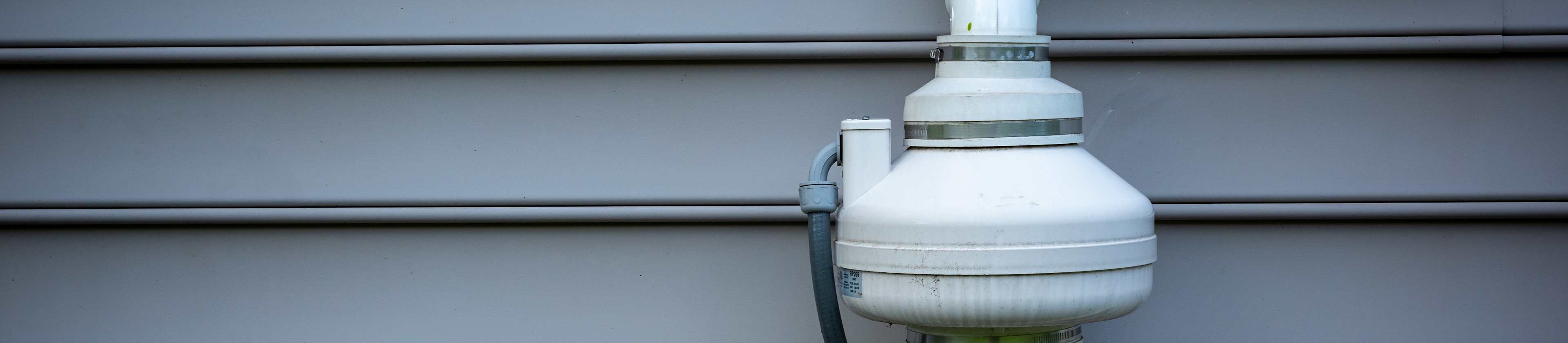
If your home has a sump pit, you can integrate it with a radon mitigation system. You can accomplish this by sealing the pump cover with an airtight lid that accommodates radon vent pipes and sump pump hoses. This allows the vent pipe to redirect the radon gas outside of your home.

Radon enters your home when warm air begins to rise and exits through the roof, creating a vacuum that pulls cooler air from under the foundation. Part of that air is radon, which is an invisible, odorless gas that develops naturally when radioactive particles are deep within the ground. Those particles usually come from decaying matter in soil and rocks.

The natural breakdown of uranium in soil, rock, and water can cause radon to appear in a home. The gas seeps into homes through cracks in foundations, walls, or floors, as well as through gaps around pipes or construction joints. Radon levels are influenced by soil composition, building materials, and ventilation. Poorly sealed or airtight homes can trap radon, allowing it to accumulate.

Your radon fan needs to operate 24/7 to be effective. The only time the fan isn't operating is during its replacement. Radon levels in the home can increase within hours if the fan stops working or something obstructs the stack vent. Fortunately, radon systems require no downtime maintenance between fan changes.

No level of radon is technically safe, but since it is naturally present everywhere, it is impossible to avoid entirely. The average radon level in homes across the United States is 1.3 picocuries per liter (pCi/L). The Environmental Protection Agency (EPA) recommends taking action to reduce radon levels if your home's test results are between 2 and 4 pCi/L or higher.

The Winton, NC homeowners’ guide to radon detection and reduction services

From average costs to expert advice, get all the answers you need to get your job done.