





Top-rated energy efficiency auditors.

Get matched with top energy efficiency auditors in Willard, NC

Enter your zip and get matched with up to 5 pros

Need a pro for your energy efficiency auditing project in Willard, NC?

Select your specific project to find the pro for you.

Find Energy efficiency auditors in Willard

Avatar for Hutch's Dr. Energy Saver
Hutch's Dr. Energy Saver
3.9(
54
)

Serving Willard, NC and surrounding areas

In business since 1989

Free estimates

Warranties offered

"We have noticed a huge difference in the comfort level in the home after having insulation added to our home. The person who performed the Home Energy Audit was very thorough and explained several different options to us. We are very pleased with everything."
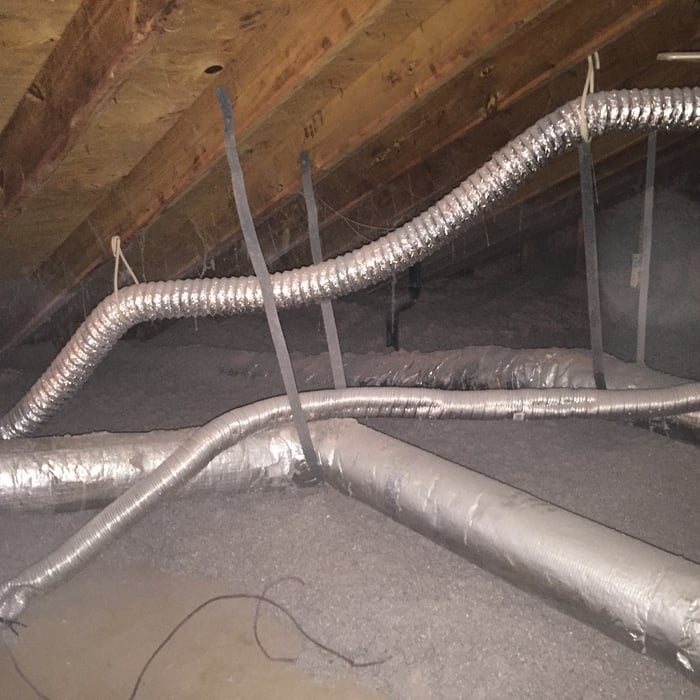
Chase in Attic (Before)
Existing Insulation (Before)
Air Sealing (After)
Blown In Cellulose (After)

+11

Response time11 hrs
Response rate87%
Recommended by82%of homeowners
Vega Preservation Group
New to Angi

Serving Willard, NC and surrounding areas

In business since 2001

Free estimates

Credit card accepted

Vega Preservation Group is locally owned and operated, with over 10 + years of residential and commercial home inspection maintenance experience. Let us show you our quick, reliable and professional touch for any of your home or business needs. What you see is what you get, and we ensure you will be satisfied with our work. I would like you to be my next happy customer!

Avatar for Inspections Plus
Inspections Plus
New to Angi

Serving Willard, NC and surrounding areas

In business since 2025

Free estimates

Small jobs welcome

At Inspections Plus, we set the standard for home inspections by combining cutting-edge technology with unmatched attention to detail. Our inspectors use the most advanced tools in the industry to uncover what others might miss, ensuring every client gets a thorough and accurate assessment. What truly sets us apart is our commitment to customer relationships ? we're not just inspecting homes, we're building trust. Experience the difference of a detailed, tech-driven inspection with a personal touch.

Client Inspection
Client Inspection
Client Inspection
Client Inspection
Client Inspection

+59

Avatar for The Estimating and Evaluating
The Estimating and Evaluating
1.9(
5
)

Serving Willard, NC and surrounding areas

In business since 2010

Free estimates

Credit card accepted

We take great pride in our experience, expertise, quality, and customer service that we provide to meet the consumers needs. It is our mission to provide excellent workmanship and complete customer satisfaction from start to completion of a project. In order to understand the needs and expectations of our customers, we take great care to work and communicate with every customer in a professional manner. Our reputation is based on service, safety, and quality, regardless of how large or small the job.

Residential Construction
Response time10 hrs
Recommended by50%of homeowners

Energy Efficiency Auditing questions, answered by experts

A small sump pump running infrequently uses an average of 10 kilowatt-hours (kWh) of electricity per month. The average cost for electricity is $0.171 per kWh. The size and use frequency affect how much electricity it uses. Sump pumps average one-third to one horsepower (hp) motors. One hp is equal to 745.7 watts. Watts multiplied by the time your pump is running divided by 1,000 equals your average kWh. Multiply kWh by your average cost of electricity. In areas with high rain or a marsh basin, the average cost can be as high as $15-$25 a month.

The number one culprit of high energy bills is older appliances, especially fridges and freezers that are left on all the time. These two appliances tend to last a long time, which is good, but it also means that newer models are usually significantly more energy-efficient due to upgraded technology. The second most common reason for a high bill is heating and air conditioning.

Wood windows fall in the middle of the window frame materials when it comes to energy efficiency. They’re more insulating than aluminum and vinyl, but they aren’t as efficient as fiberglass or composite frames. If you love the look and lifespan of wood windows and want to maximize efficiency, you can upgrade to double-pane or triple-pane glass and consider window tinting and low-emissivity (low-E) coatings to minimize heat transfer.

Dehumidifiers typically use 300 to 700 watts of electricity per hour, whereas portable dehumidifiers use about 40 watts per hour. The exact amount of electricity your dehumidifier will generate depends on its capacity and energy efficiency. Generally, higher-capacity dehumidifiers generate more electricity than lower-capacity units, but they also usually have better energy efficiency over the long run.

Window AC units use a fair amount of electricity, but significantly less than central AC systems. Because they are more energy-efficient for cooling individual rooms or small spaces, their usage is comparatively low. On average, a window AC unit consumes between 500 and 1,400 watts, while a central AC system uses over 3,500 watts—meaning a window unit uses about one-third of the energy. This typically translates to a monthly running cost of $15 to $40, although this can vary depending on external factors.

The Willard, NC homeowners’ guide to energy efficiency auditing services

From average costs to expert advice, get all the answers you need to get your job done.