




Top-rated lead testing and removal specialists.

Get matched with top lead testing and removal specialists in Vanceboro, NC

Enter your zip and get matched with up to 5 pros

Need a pro for your lead testing and removal project in Vanceboro, NC?

Select your specific project to find the pro for you.

Find Lead testing and removal specialists in Vanceboro

Avatar for Right Coast Solutions
Right Coast Solutions
5.0(
8
)
Toxic Lead - Testing

Serving Vanceboro, NC and surrounding areas

In business since 2016

"Paul & his team screened in my back patio and built a custom bench & shelving for my mud room. I could not be happier with their work and attention to detail. I will be using them again for future projects and would highly recommend."
Recommended by100%of homeowners
Lead Testing and Removal questions, answered by experts

If lead is detected in a property, steps should include arranging for professional removal or containment, notifying all occupants, and implementing interim safety measures to reduce exposure.

Structural problems with the foundation or roof, water damage, and significant plumbing or electrical issues are all considered major red flags in a home inspection. Of these, a structural problem related to the foundation is often the most severe. Foundation repairs are typically the most expensive and intrusive to carry out, averaging around $5,000 but sometimes reaching up to $16,000. Because these problems can pose safety risks and be costly to fix, you should ask your inspector detailed questions about any identified issues. You will need to carefully consider how major problems affect what you’re willing to pay for the home, or if you want to proceed with the sale at all.

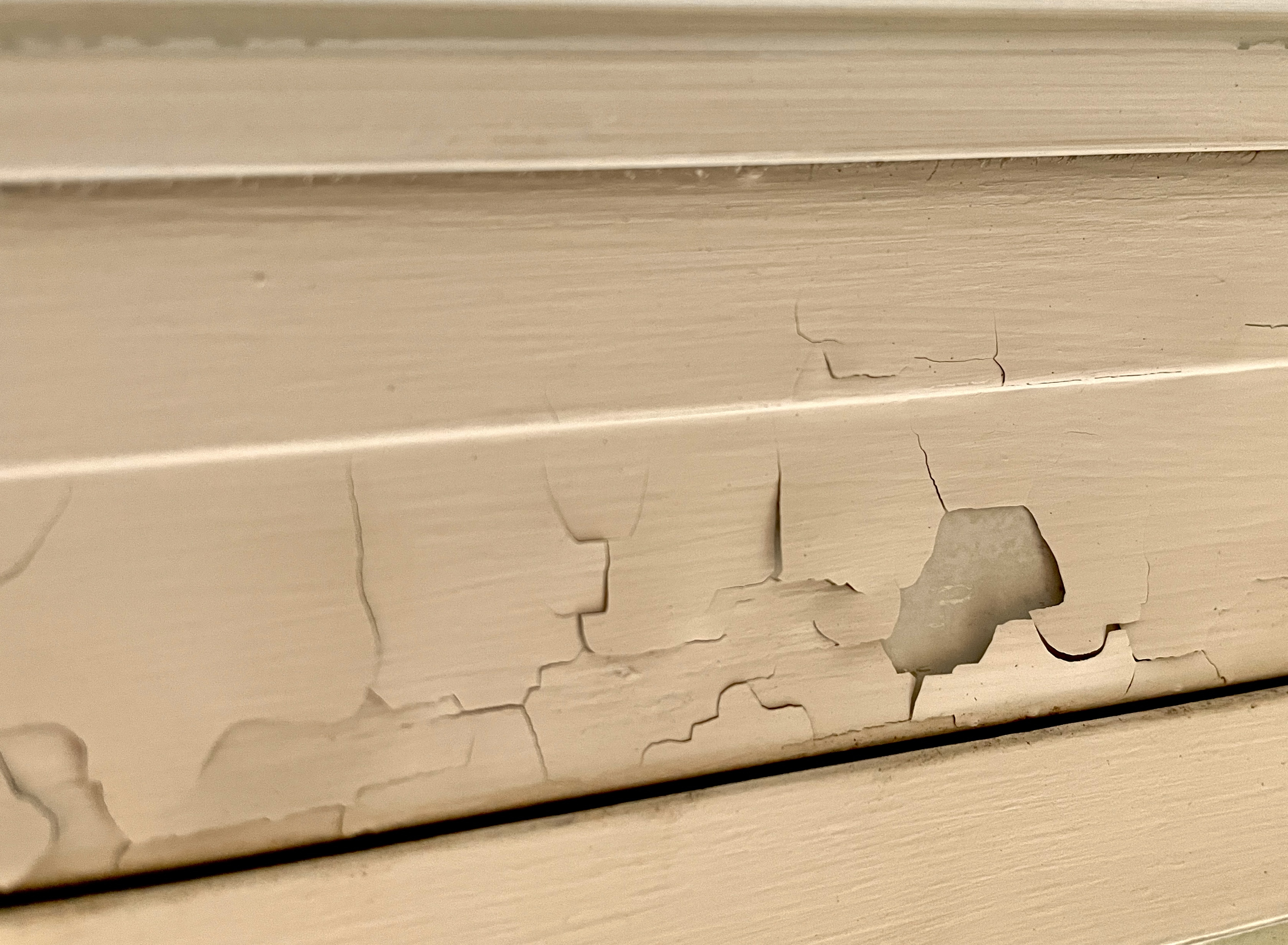
Properties should be tested for lead every 2-3 years, especially if they are older, have undergone renovations, or show deterioration of paint or interior finishes.

While not all homes built before 1978 contain lead paint, enough do, so you’ll still want to test to be on the safe side. The federal government banned lead-based paint for homes in 1978, but your state may have banned lead before that time. Around 24% of homes built between 1960 and 1977 contained lead-based paint, while 87% of homes built before 1940 contained lead-based paint.

Exterior paint contains a higher level of VOCs, which can be dangerous if you’re exposed to it for a long period of time. The good news is that paint’s toxicity reduces significantly once fully dried and cured. Do not keep open exterior paint cans in your home, basement, or garage, exposing your household to harmful chemicals over time.

The Vanceboro, NC homeowners’ guide to lead testing and removal services

From average costs to expert advice, get all the answers you need to get your job done.