





Vanco Crawlspace & Restoration, LLC
Toxic Lead - Testing
Serving Grifton, NC and surrounding areas
In business since 2020
Free estimates
Emergency services offered
"It could not have been better."
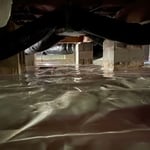
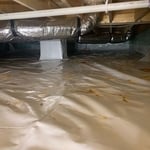
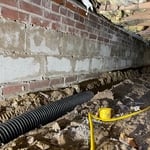
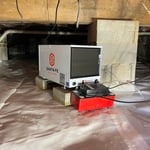
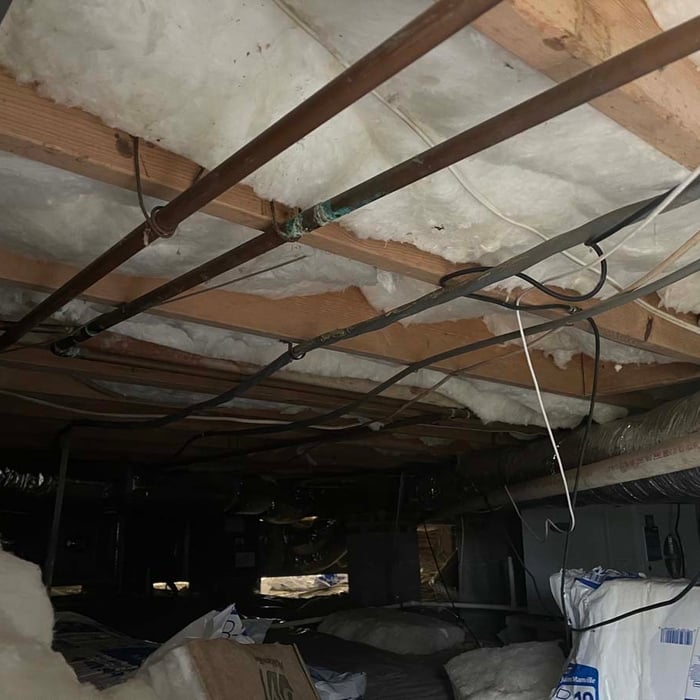
+2
Recommended by100%of homeowners
*The Angi rating for Lead Testing And Removal companies in Grifton, NC is a rating based on verified reviews from our community of homeowners who have used these pros to meet their Lead Testing And Removal needs.
*The HomeAdvisor rating for Lead Testing And Removal companies in Grifton, NC is a rating based on verified reviews from our community of homeowners who have used these pros to meet their Lead Testing And Removal needs.
Last update on March 19, 2025
Serving Grifton, NC and surrounding areas
In business since 2020
Free estimates
Emergency services offered
"It could not have been better."
+2
Serving Grifton, NC and surrounding areas
In business since 2018
Free estimates
Credit card accepted
is committed to excellence in every aspect of our business. We uphold a standard of integrity bound by fairness, honesty and personal responsibility. Our distinction is the quality of service we bring to our customers. Accurate knowledge of our trade combined with ability is what makes us true professionals. Above all, we are watchful of our customer's interests, and make their concerns the basis of our business.
From average costs to expert advice, get all the answers you need to get your job done.

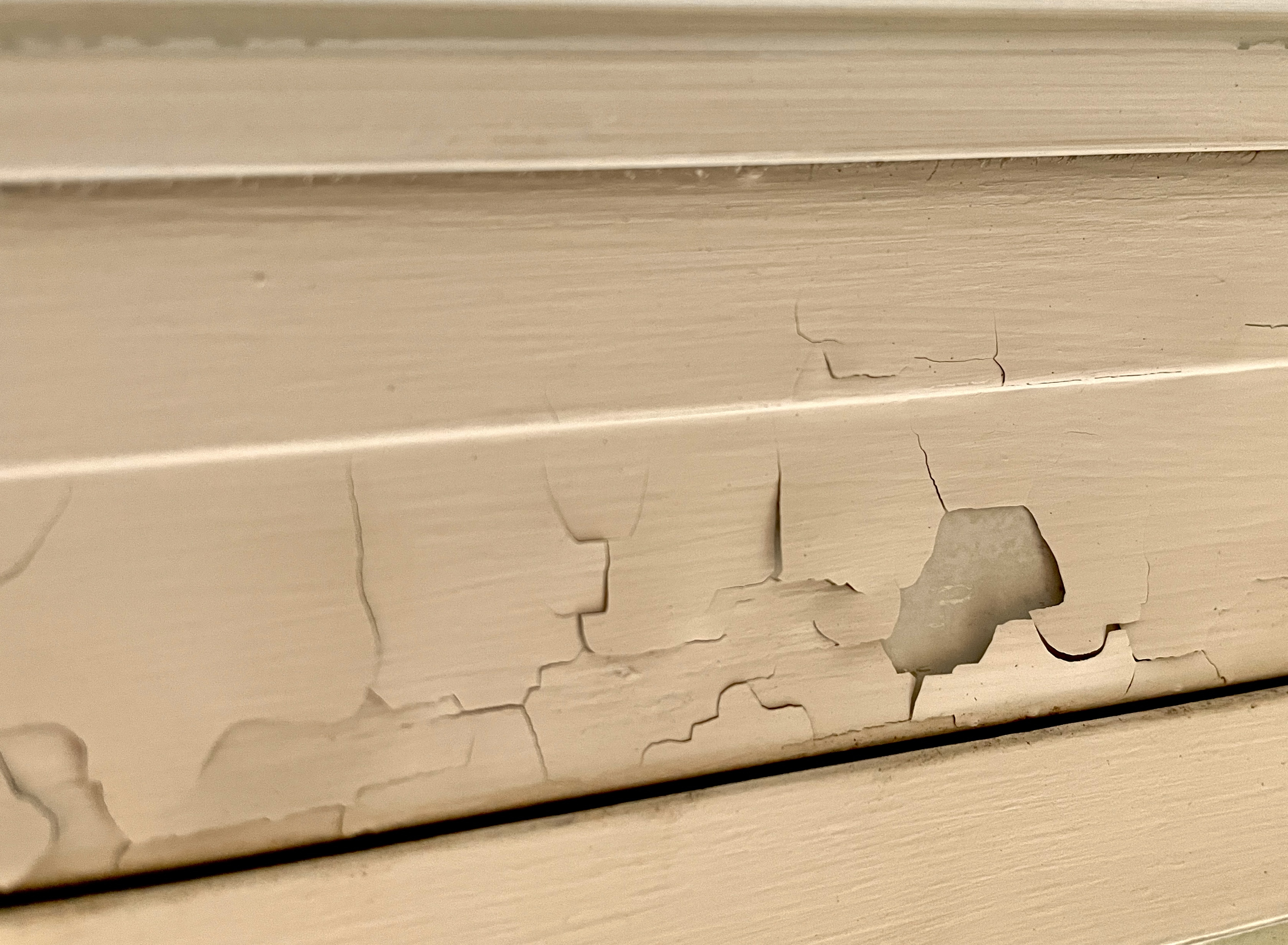
Discover the average lead paint removal cost, key price factors, and tips to save on safe, professional lead paint abatement for your home.

Get expert insights on lead paint inspection costs, including key cost factors and ways to save. Learn what affects your estimate and how to budget effectively.

Learn how to hire a qualified lead testing professional for your home. Find certified inspectors, understand costs, and protect your family from lead hazards.

If you suspect the presence of lead paint in your home, testing is the natural first step. Here is who homeowners can hire to test for lead paint.

Have you recently renovated your home and removed all lead-based paint? Follow this guide on lead clearance testing to ensure it's all eradicated.
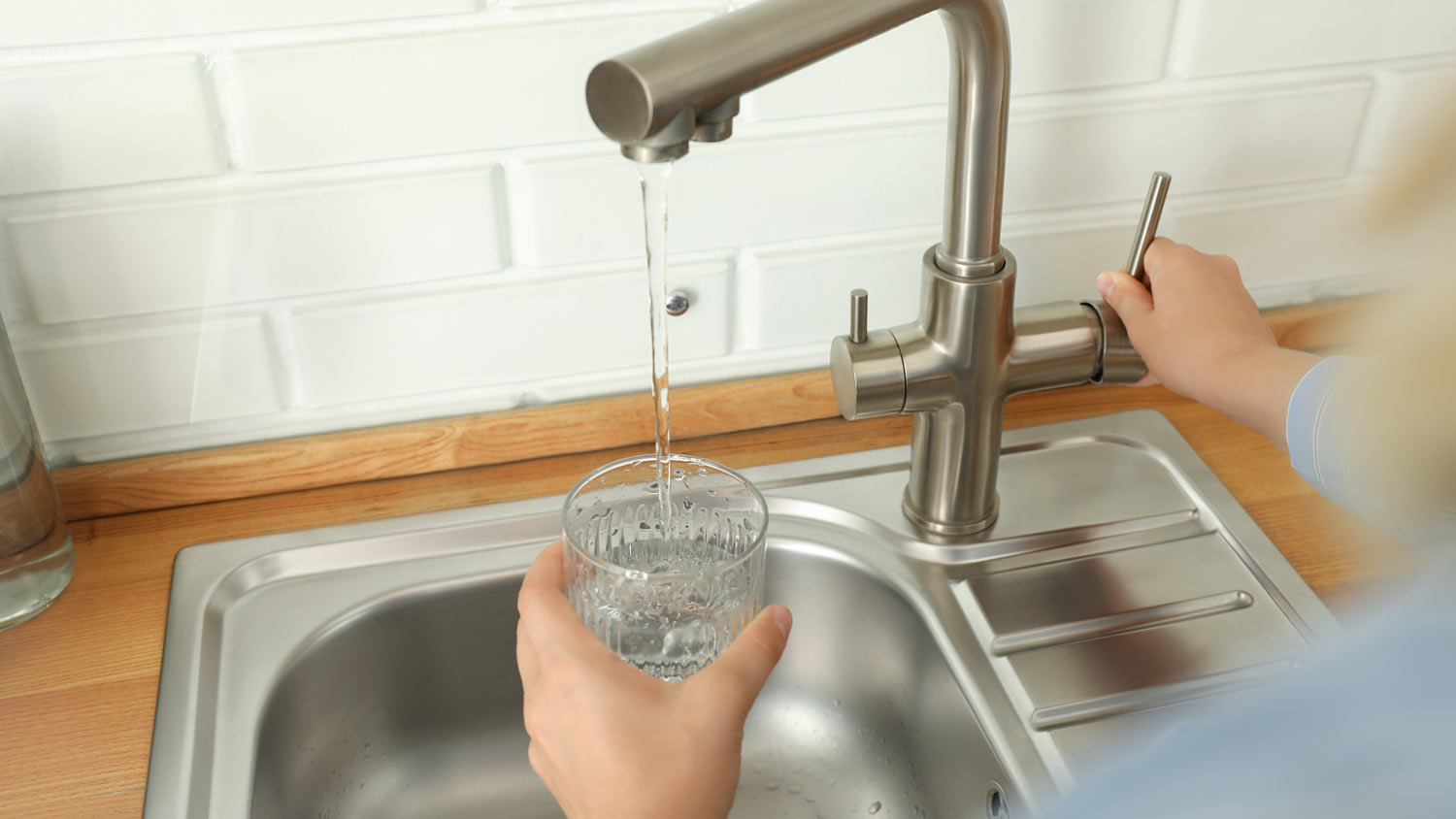
Confused about who to call to remove lead pipes? We've rounded up a few options for the safest removal by trained professionals.