


Top-rated generator install pros.

Get matched with top generator install pros in Swansboro, NC

Enter your zip and get matched with up to 5 pros

Need a pro for your generator install project in Swansboro, NC?

Select your specific project to find the pro for you.

Find Generator install pros in Swansboro

Avatar for FatBoy Electrical Service, LLC
FatBoy Electrical Service, LLC
4.8(
41
)
Fixed Generator - Install

Serving Swansboro, NC and surrounding areas

Approved

Free estimates

Small jobs welcome

Credit card accepted

"Very pleased with the completion of the project done. Installer was punctual, courteous and accommodating as we had to reschedule because of the snow and ice in completing the project. Thank you"
My jobs
My jobs
My jobs
My jobs
My jobs

+5

26 neighbors recently requested a quote
Recommended by62%of homeowners
Avatar for AmpTech, LLC
AmpTech, LLC
4.8(
35
)
Fixed Generator - InstallGenerator - Install - For BusinessPortable Generator - Install

Serving Swansboro, NC and surrounding areas

In business since 2014

Free estimates

Emergency services offered

"They changed out our breaker panel & replaced a circuit. They came & did a great job. Professional & quick. Very open & informative about what they were doing as they worked. Great price in addition to everything else!"
commercial lighting
dock subpanel
residential garage flood lights
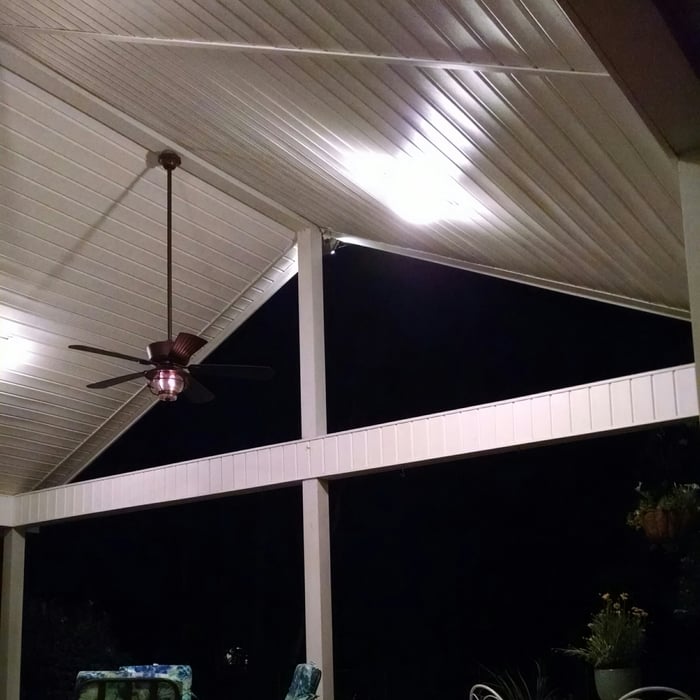
deck fan and lighting
deck fan and lighting (night)

+8

Response time2 days
Recommended by94%of homeowners
Genco Electric
4.8(
4
)
Generator - Install - For Business

Serving Swansboro, NC and surrounding areas

In business since 1999

Free estimates

"We could not be more happy with the service we received from Sam. He added electricity to our 12 x 24 foot shed that we had built in our back yard. He ran electrical lines from our breaker box to the back yard. He installed fluorescent lights and outlets inside our shed and an exterior light to meet code. From the time that I initially contacted him for a quote to the follow-up call we received after he was done, everything was done completely professional and to code. We had received a couple quotes from other electricians and none of them mentioned doing work to code. Sam ensured that we had a zoning permit and that was very reassuring because that meant we knew everything was going to be done by the book. The end project was way above my expectations and we got exactly everything that we wanted, plus the county passed our permit."
Recommended by100%of homeowners
Avatar for Amperage Electrical / Handyman Services NC
Amperage Electrical / Handyman Services NC
4.4(
14
)
Fixed Generator - RepairGenerator - Repair - For BusinessPortable Generator - Repair

Serving Swansboro, NC and surrounding areas

In business since 2024

Free estimates

Credit card accepted

""I recently had Electric Working come out to service my generator, and I couldn't be happier with the service I received! From the initial call to the completion of the job, their professionalism and expertise were evident. The technician was punctual, knowledgeable, and took the time to explain the issue and the repair process clearly. The work was done efficiently, and my generator is now running perfectly. I highly recommend Electric Working for any electrical needs – their commitment to quality and customer satisfaction is truly outstanding!""
Response time1 day
Response rate88%
Showing 1-10 of 28
Generator Install questions, answered by experts

A 10,000-watt generator can run a small to mid-sized central AC unit (typically up to 3 tons or 36,000 BTU) along with a few other appliances. However, larger AC units or additional loads will require a bigger generator. Consult a local generator installer to ensure you add the correct size generator to your home.

In many cases, yes. There are models called dual-fuel generators and fuel switches, but only between certain types of fuel. For example, with the right setup you can convert a generator from natural gas to propane. Some allow switching between diesel and gasoline. There are even tri-fuel generators available in some cases, which adds a large layer of security if you are worried about fuel availability in times of crisis. Always check your generator capabilities and manual instructions before trying to switch fuels. Some generators can use another fuel but may need a fuel conversion kit to prep them first.

To determine the right size generator for your house, you should calculate the total wattage of the appliances and devices you want to power during an outage. List all essential items, note their start-up wattages, and add them together.

Here are some typical wattage requirements for common appliances:

  • Refrigerator: 600 watts

  • Large dehumidifier: 700 watts

  • Large window air conditioner: 1,400 watts

  • Water heater: 3,000 to 4,500 watts

  • Electric furnace: 5,000 to 25,000 watts

A 7,500-watt generator might be sufficient for essentials like a refrigerator, freezer, well pump, and lighting circuits. However, for high-demand items like a water heater or furnace, a whole-home generator is a better choice. A portable generator may be enough if you only need to power a few critical items.

While home square footage can offer a rough estimate, it is not always a reliable indicator. For reference, here are some typical generator sizes based on square footage:

  • 1,000 sq ft: 6–9 kW

  • 1,500 sq ft: 7–10 kW

  • 2,000 sq ft: 10–14 kW

  • 2,500 sq ft: 12–16 kW

  • 3,000 sq ft: 16–20 kW+

For the most accurate sizing, consult a professional who can calculate your home's peak and average power consumption and recommend the optimal generator.

Sizing a generator is a careful process that requires calculating the electrical load of your entire house. You have to take into account every device you want to use and their wattage requirements, plus the wattage needed to start them, and look for a generator that can safely run all that at around 80% capacity.

In more practical terms, a small home can run on a 10,000-watt generator (and if you only want to power a few key appliances, much less than that). A mid-sized home may need something between 15,000 and 22,000 watts. Larger homes require 25,000 watts or more. 

Potential benefits of using a natural gas generator include reducing your carbon footprint, lower likelihood of carbon monoxide exposure, budget-friendly operating costs, and low-maintenance, continuous fuel supply. Some possible drawbacks, though, include higher initial installation costs, dependency on a natural gas supply, and installation complexity. Keep in mind that pros and cons will vary based on the type and brand of natural gas generator. 

The Swansboro, NC homeowners’ guide to generator installs

From average costs to expert advice, get all the answers you need to get your job done.