



Top-rated leaf removal pros.

Get matched with top leaf removal pros in Sugar Grove, NC

Enter your zip and get matched with up to 5 pros

Need a pro for your leaf removal project in Sugar Grove, NC?

Select your specific project to find the pro for you.

TRUSTED BY SUGAR GROVE, NC HOMEOWNERS

  • Average homeowner rating star icon4.5
    Average homeowner rating
  • Verified reviews icon31
    Verified leaf removal services reviews

Find Leaf removal pros in Sugar Grove

Avatar for BR Home Services
BR Home Services
5.0(
3
)
Waste, Junk, Building Materials and Debris - Remove and Haul

Serving Sugar Grove, NC and surrounding areas

Approved

In business since 2025

Free estimates

Emergency services offered

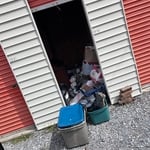
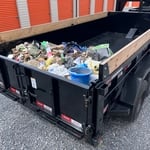
"Tyler was amazing and very quick to respond. He came out right away and got about 2–3 hours worth of work done for me. He fixed my running toilet, helped get rid of all my junk, and even made 3 separate trips to the dump. He was extremely kind, respectful, and hardworking the entire time. What I really appreciated was that he cleaned everything up afterward and made sure everything was taken care of before he left. Great guy, great service, and I would definitely recommend Tyler to anyone who needs help!"
Tv Mounting
...
Showing 1-10 of 146
Leaf Removal questions, answered by experts

The best way to remove lead paint is by wet hand sanding and removing all dust and residue with a HEPA vacuum. Professionals may also strip and scrape lead-based paint with a paint scraper. In some cases, you may choose to have a pro encapsulate or enclose your lead-based paint surface by covering it with a sealant or a new material. You may also choose to replace the material altogether.

Exterior paint contains a higher level of VOCs, which can be dangerous if you’re exposed to it for a long period of time. The good news is that paint’s toxicity reduces significantly once fully dried and cured. Do not keep open exterior paint cans in your home, basement, or garage, exposing your household to harmful chemicals over time.

According to the Environmental Protection Agency (EPA), hazardous waste is generally classified into four main categories:

1. Characteristic Wastes: These exhibit at least one of four hazardous traits: ignitability (flammable, like gasoline), corrosivity (can rust or decompose materials, like car batteries), reactivity (unstable and can explode, like aerosol cans), or toxicity (harmful when ingested, like lead-based paint).

2. Listed Wastes: These are specific wastes from manufacturing and industrial processes that the EPA has officially designated as hazardous. They include byproducts from processes that use solvents, pesticides, and other chemicals.

3. Universal Wastes: These are commonly generated hazardous items that are subject to streamlined regulations. Examples include batteries, pesticides, mercury-containing equipment (e.g., bulbs), and some lamps.

4. Mixed Wastes: This category includes waste that contains both hazardous and radioactive components, making it subject to regulation by both the EPA and the Nuclear Regulatory Commission.

While not all homes built before 1978 contain lead paint, enough do, so you’ll still want to test to be on the safe side. The federal government banned lead-based paint for homes in 1978, but your state may have banned lead before that time. Around 24% of homes built between 1960 and 1977 contained lead-based paint, while 87% of homes built before 1940 contained lead-based paint.

Lead removal is crucial in older homes to eliminate risks of lead poisoning, which can severely affect health, particularly in children, by impacting development and cognitive functions.

The Sugar Grove, NC homeowners’ guide to leaf removal services

From average costs to expert advice, get all the answers you need to get your job done.