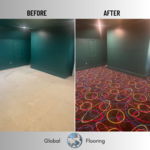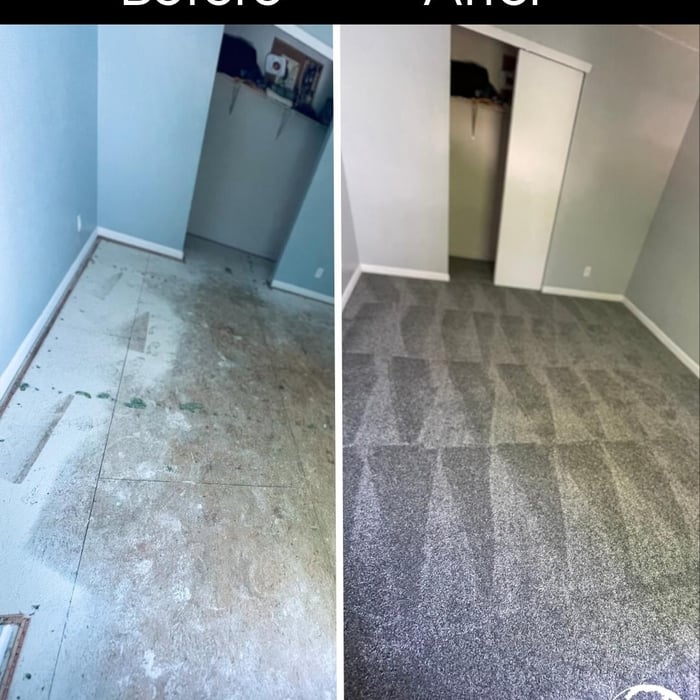








Top-rated carpet installation pros.

Get matched with top carpet installation pros in Ronda, NC

Enter your zip and get matched with up to 5 pros

Need a pro for your carpet installation project in Ronda, NC?

Select your specific project to find the pro for you.

Find Carpet installation pros in Ronda

Avatar for Global Flooring
Global Flooring
4.8(
11
)
Carpet - InstallCarpet - Install - For BusinessCarpet - Repair, Refasten, or Stretch

Serving Ronda, NC and surrounding areas

In business since 2015

Free estimates

Emergency services offered

"Jose arrived on time and was professional. He assessed the condition of my carpet then offered a few options for how the repairs could be completed. Overall, I had a great experience. And Iâ m very happy with the look of my carpet now."
Carpet Installing/Repair

+3

Response time2 days
Recommended by100%of homeowners
Avatar for Luxe Flooring Specialist LLC
Luxe Flooring Specialist LLC
5.0(
7
)
Carpet - Install

Serving Ronda, NC and surrounding areas

In business since 2024

Free estimates

Emergency services offered

"Daniel came and measured, appraised, and installed my carpet and LVP in my home. The results were amazing. Our home definitely needed this refreshing. He was easy to communicate with, quick to get the materials, and the installation was efficient and very painless for me. I would hire him again for any flooring needs."
My Work
My Work
My Work
My Work
My Work

+19

Response time6 hrs
Response rate100%
2 neighbors recently requested a quote
...
Showing 1-10 of 53
Carpet Installation questions, answered by experts

In most cases, you do not need to put padding or underlayment under carpet tiles. Unlike traditional carpet, which requires a separate pad, carpet tiles are designed to be installed directly onto a firm subfloor like plywood, concrete, or tile. Many carpet tiles come with a built-in underlay and attach with peel-and-stick adhesive, double-sided carpet tape, or glue. For a more comfortable, cushioned feel, especially in residential settings, you can opt for padded carpet tiles that have a thicker underlay attached. While it's generally not recommended to install a separate pad, a compact underlayment might be used in some situations, though this typically requires professional installation. An acoustic underlay may also be considered in commercial spaces or multi-level homes where noise reduction is a priority.

In most cases, laminate flooring is better for people with dust or other allergies as laminate is easier to clean. Carpet can trap pollen and other allergens, allowing them to be kicked up into the air again with foot traffic. Consult your flooring specialist about the best types of carpet or laminate flooring to use based on your household member’s needs.

While it is possible to install carpet yourself, it is a challenging DIY project that requires precise measurement, proper cutting skills, and knowledge of correct installation techniques. The process involves multiple steps, including removing old flooring, installing underlayment and tack strips, and stretching the carpet to prevent wrinkles, which can take several days to complete.

Before starting, consider these factors:

  • Warranty: Many manufacturers' warranties are voided if the carpet is not installed by a professional.

  • Tools: You will need to buy or rent specialized equipment like a knee kicker, carpet stretcher, and seam roller.

  • Complexity: DIY installation is most suitable for simple, straightforward rooms. Projects involving stairs or floor vents are significantly more difficult.

  • Cost: While you can save on labor, the cost of tools plus the risk of expensive mistakes—which may require re-installation—can make hiring a professional more cost-effective in the long run.

Given the potential for errors, voided warranties, and the need for special tools, hiring a local carpet installer is often recommended to ensure the job is done correctly and safely.

You may get better coverage painting your baseboards if you do so before carpet is installed. The best course of action may be to attempt to paint them between having the old floor removed and the new floor laid, though this will render the room unusable for a period of time and may make the entire project a bit slower overall.

Carpet is most often affixed to the floor by tacks in tack strips rather than nailed or glued directly to the subfloor. The tack strips are nailed to wood subfloors. Even if you want to install carpet over concrete, you’ll adhere the tack strips to the concrete with masonry nails or a liquid adhesive.

The Ronda, NC homeowners’ guide to carpet installation

From average costs to expert advice, get all the answers you need to get your job done.