Top-rated paving pros.

Get matched with top paving pros in Pilot Mountain, NC

Enter your zip and get matched with up to 5 pros

Need a pro for your paving service project in Pilot Mountain, NC?

Select your specific project to find the pro for you.

Find Paving pros in Pilot Mountain

Avatar for Watson land & Property Solutions LLC
Watson land & Property Solutions LLC
5.0(
1
)

Serving Pilot Mountain, NC and surrounding areas

Approved

Free estimates

Small jobs welcome

Credit card accepted

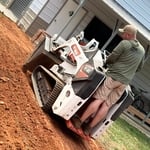
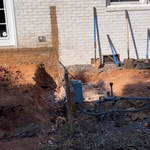
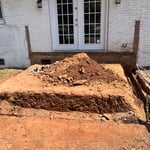
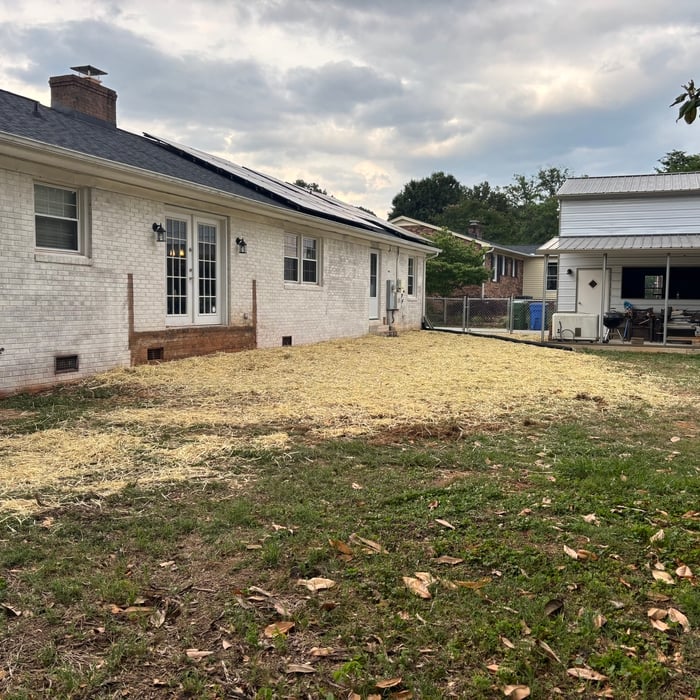
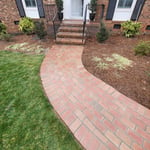
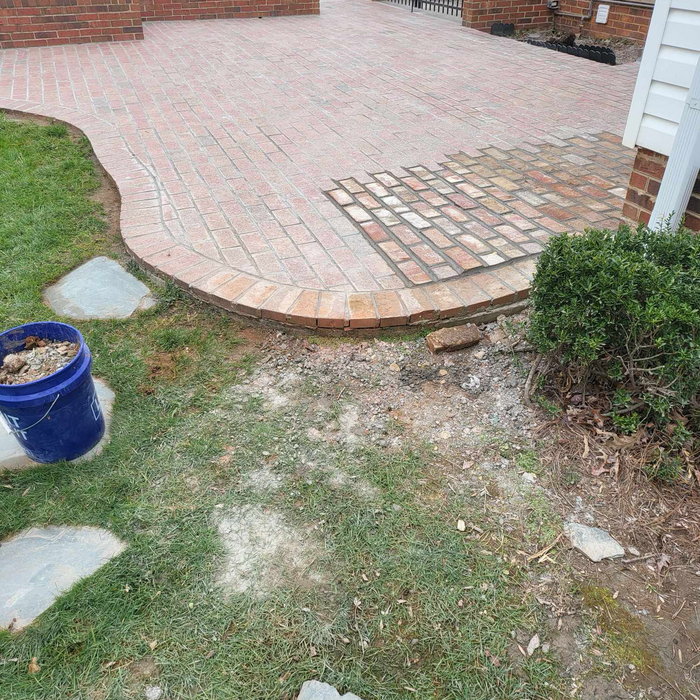
"Yes, he took pride in what I needed done, then he went to work and was done within an hour. He wasted no time in getting the job done and he made sure it was what we were looking for. Then he finished the job by spraying weed killer where the bushes were."
Yard restore and graded

+8

1 neighbors recently requested a quote
Avatar for Blue Ridge Asphalt Sealing of Jonesville
Blue Ridge Asphalt Sealing of Jonesville
New to Angi

Serving Pilot Mountain, NC and surrounding areas

Approved

In business since 2018

Free estimates

Credit card accepted

At Blue Ridge Asphalt Sealing of Jonesville, LLC, we pride ourselves on providing quality service that our customers can believe in. We specialize in asphalt sealcoating for residential and commercial customers. We provide free estimates for new clients and look forward to earning your business!

Asphalt Sealing
5 neighbors recently requested a quote
...
Showing 1-10 of 81
Paving Services questions, answered by experts

Asphalt and tarmac are not the same thing. Traditional tarmac, short for tarmacadam, uses tar as a binder to hold crushed stone together. Asphalt uses bitumen—a byproduct of crude oil—to bind aggregate. Though tarmac was once a go-to for roads, asphalt has become the modern standard. And these days, most surfaces referred to as “tarmac” are actually asphalt. So, while the names may overlap, the key distinction lies in the binder—tar for tarmac and bitumen for asphalt.

Recycled asphalt is a durable choice for a driveway, but doesn’t have the same appearance and low maintenance as standard asphalt. For long driveways in rural communities, recycled asphalt can make a great choice. Recycled asphalt is 20% to 30% percent less expensive than standard asphalt and is better for the environment. 

There’s no single best asphalt grade—it all comes down to where and how it’s used. Highways and heavy-traffic roads need something tough, like polymer-modified asphalt (PMA) or Stone Matrix Asphalt (SMA). Local roads and parking lots rely on the Performance Graded (PG) system, chosen based on climate. A PG 64-28 mix, for example, handles a broad temperature range while simpler, more cost-effective mixes are typically enough for residential driveways. The best grade of asphalt depends on traffic, weather, and your budget, which is why a professional’s input is always a smart move before making a decision.

Asphalt, which is stone mixed with tar, is the most common material for outdoor basketball courts because it’s so sturdy and versatile. However, you don't have to use it: another option is polymeric rubber, which has shock pads that can prevent injury. This option is a little more expensive, ranging between $16 and $25 per square foot.

Materials used for indoor basketball courts, such as hardwoods, aren’t really an option outdoors.

Whether you should resurface or replace your asphalt driveway heavily depends on its condition. If the foundation is solid and the damage is minor, resurfacing is your best bet because it’s more affordable and faster than replacing the driveway. But if your driveway has foundational problems and/or severe damage, like large, deep cracks and potholes, then it makes more sense to replace it. 

The Pilot Mountain, NC homeowners’ guide to paving services

From average costs to expert advice, get all the answers you need to get your job done.