"I called Jovan's Mobile Lube after doing a google search for a mechanic. He was very courteous on the phone and gave me a g \reat quote to check and then replace my brakes. Jovan scheduled me in for the next day. He came to my home on my day off, which was very convenient. If you want to job done right, fast, and affordable I highly recommend Jovan's Mobile Lube. he is now my #1 mechanic! "
"He received the notice early on Saturday morning and called within an hour. He was at my house to get the estimate done an hour after that. We agreed to have the install done the following Friday to give him time to get the permits done. He and his son we exactly on time and the price was actually lower than I anticipated. A totally professional job. This guy is on my list for my next electrical job."
Today, we're proud to be the world's largest home improvement retailer. In 2,300 stores across North America, we aspire to excel in service to our customers, associates, communities and shareholders. That's what leadership means to us. That's The Home Depot difference.
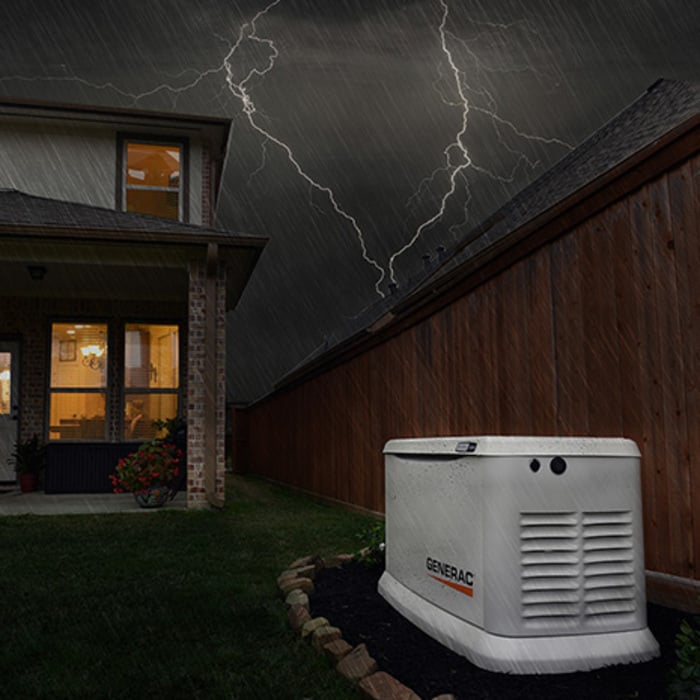
While standby generators provide essential backup power, they can fail when you need them most due to lack of maintenance, fuel supply issues, dead batteries, electrical problems, or improper installation. To avoid costly failures, professional installation and regular maintenance are crucial. Licensed technicians ensure safety, uphold warranty requirements, comply with regulations, and provide expert servicing.
Yes, natural gas generators can work without electricity. Natural gas generators are a common type of backup or whole-house generator that operates when the electrical grid isn’t working. The trick is using a transfer switch (which usually needs to be installed with the generator) that safely switches the home electrical system from the power grid to generator power when needed.
While the rating will tell you how many watts the refrigerator needs at the peak of its cycle, it requires additional wattage to start. At the bare minimum, you’ll need a 1,500-watt generator to get the fridge up and running after a blackout. A 2,000-watt generator should be sufficient for most home refrigerators.
Most homeowners won't be able to claim a home generator as a tax write-off. However, a whole-house generator may be tax-deductible in certain situations depending on its purpose. For instance, if it's needed to power essential medical equipment, it may qualify as a medical expense deduction. Also, in some cases, businesses can deduct a generator as a business expense if it supports operations. Always consult a tax professional to determine eligibility based on your specific circumstances and the applicable IRS regulations.
In many cases, yes. There are models called dual-fuel generators and fuel switches, but only between certain types of fuel. For example, with the right setup you can convert a generator from natural gas to propane. Some allow switching between diesel and gasoline. There are even tri-fuel generators available in some cases, which adds a large layer of security if you are worried about fuel availability in times of crisis. Always check your generator capabilities and manual instructions before trying to switch fuels. Some generators can use another fuel but may need a fuel conversion kit to prep them first.
The Ocracoke, NC homeowners’ guide to generator installs
From average costs to expert advice, get all the answers you need to get your job done.
Natural gas generators are whole-home standby generators that are connected to your home’s natural gas line. The average cost for a natural gas generator is $12,000.
Generators should give you peace of mind, but you’ll only get that if your installer knows what they’re doing. Learn how to hire a pro and what red flags to look for.
Thinking about a generator installation? Learn about backup power options, costs to expect, and how to hire the right local pro to keep your home running.