




Top-rated pest control specialists.

Get matched with top pest control specialists in Macon, NC

Enter your zip and get matched with up to 5 pros

Need a pro for your pest control project in Macon, NC?

Select your specific project to find the pro for you.

TRUSTED BY MACON, NC HOMEOWNERS

  • Average homeowner rating star icon3.9
    Average homeowner rating
  • Verified reviews icon27
    Verified pest control services reviews

Find Pest control specialists in Macon

Avatar for Ehrlich Southeast
Ehrlich Southeast
4.3(
11
)
Mosquito ControlPest Control - Bed BugsPest Control - Bugs and Insects+2 more

Serving Macon, NC and surrounding areas

Approved

In business since 1921

Free estimates

Credit card accepted

"I had a fantastic experience with Ehrlich Southeast. Their customer service was excellent, from scheduling the appointment to the completion of the service. Their technicians were friendly, knowledgeable, and efficient, and they ensured my property was pest-free. I highly recommend them to anyone in need of pest control services."
Recommended by100%of homeowners
Avatar for Clegg's Termite and Pest Control, LLC
Clegg's Termite and Pest Control, LLC
4.4(
150
)
Pest Control - Bugs and InsectsPest Control - RodentsPest Control - Bed Bugs+4 more

Serving Macon, NC and surrounding areas

Approved

In business since 1965

Free estimates

Credit card accepted

"Pest control can be a difficult service to assess, except in cases of a known pest that is eliminated and where demonstrable proof of efficacy is shown. While the agent servicing our particular problem (moles) is cordial and knowledgeable, we will have to wait for a period to see if treatment was effective."
Termite Swarmers
Black WIdow Sipder
Termite Tunnels
Response time2 days
65 neighbors recently requested a quote
Recommended by90%of homeowners
Avatar for Martin Exterminating
Martin Exterminating
4.3(
22
)
Pest Control - TermiteMosquito ControlPest Control - Birds and Bats+9 more

Serving Macon, NC and surrounding areas

Approved

In business since 1973

Free estimates

Emergency services offered

"Called for annual inspection and followup but requested a more experienced inspector because of an issue with ants in an upstairs window frame. They sent an excellent resouce and he spent extra time going over potential future issues with me as well as recommending possible solutions and their costs.
"
Crawl Space Encapsulation
Wildlife Control
Our front sign
The Sentricon Termite Baiting System with Recruit HD Bait.
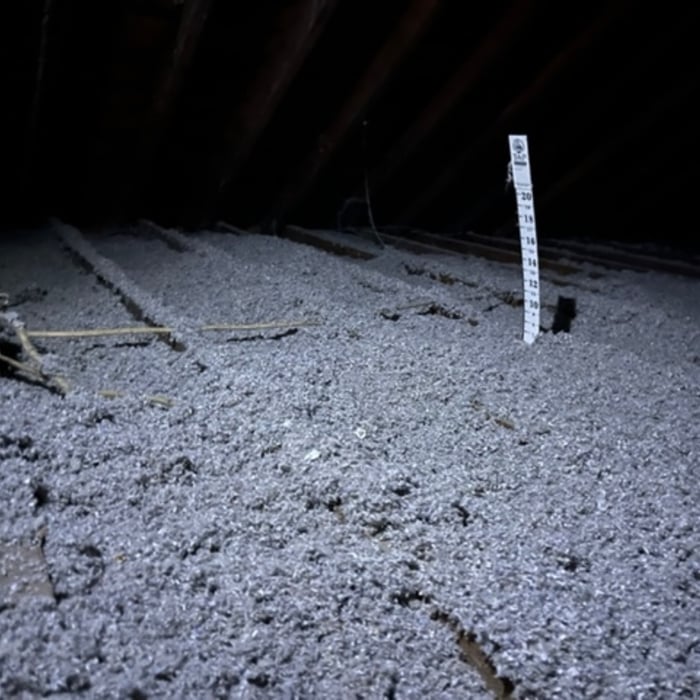
Cellulose Pest Control Insulation

+1

Response time1 day
Response rate100%
6 neighbors recently requested a quote
Pest Control questions, answered by experts

Spider mites hate high humidity, strong air circulation, and potent smells like peppermint oil. Utilizing these factors can help deter spider mites so that they don’t feast on your plant leaves and inhibit growth. If you try these methods and spider mites still won’t leave, it’s time to hire a professional pest control service to tackle the task.

A temperature of 119 degrees Fahrenheit will kill bed bugs and their eggs within 90 minutes. No temperature kills them instantly, but if exposed to high temperatures over extended periods, bed bugs will be killed off. Bed bug eggs must be exposed to the same temperature for 90 minutes to reach 100% mortality.

No, mulch itself does not necessarily attract termites even though it’s usually made of shredded wood. Some types of mulch like cedar or cypress resist termites because they’re toxic or unappetizing to the wood munchers. However, when the mulch is deep enough, say three inches or more, it creates a perfect habitat for insects of all kinds to build nests.

Squash bugs technically aren’t invasive, as they are native to North America. However, this doesn’t mean that they aren’t incredibly destructive. These pests can cause significant damage to squash, pumpkins, and other cucurbit crops by feeding on plant sap and injecting toxins that cause leaves to wilt, dry out, and die. In large numbers, squash bugs can decimate entire plants (especially younger ones), making them a major nuisance for home gardeners and commercial growers alike.

Honey bees are most likely to swarm during spring and early summer, typically from April through June, as colonies expand and prepare for new growth. Swarming occurs when a hive becomes overcrowded, prompting the queen and a group of worker bees to leave in search of a new nesting site. During this time, you may notice a temporary increase in bee activity around your property.

The Macon, NC homeowners’ guide to pest control services

From average costs to expert advice, get all the answers you need to get your job done.