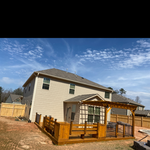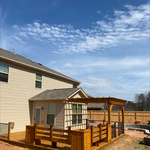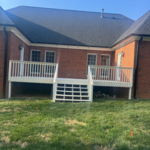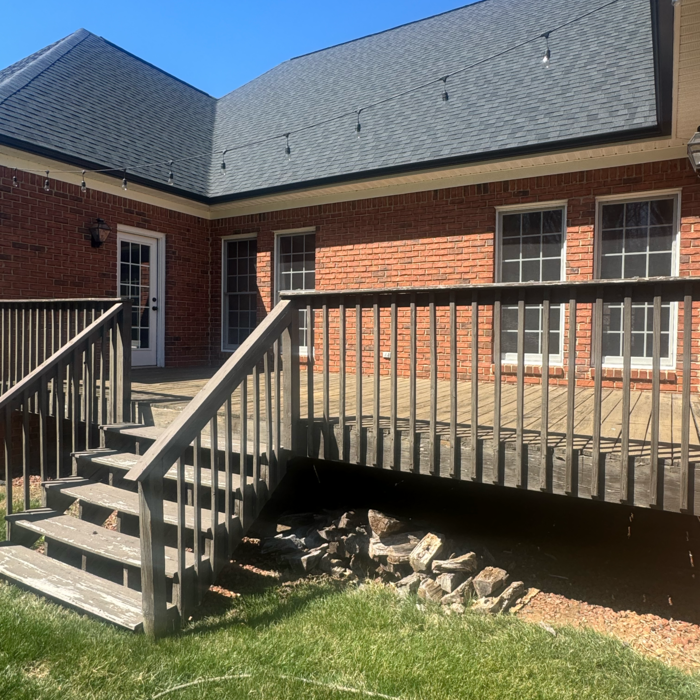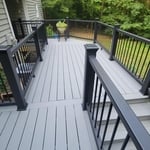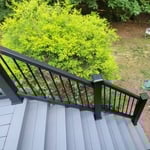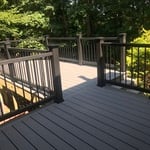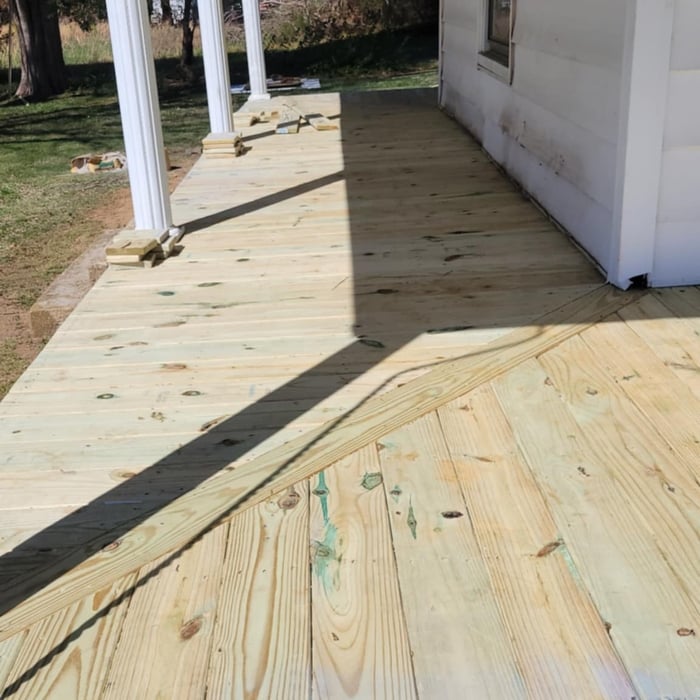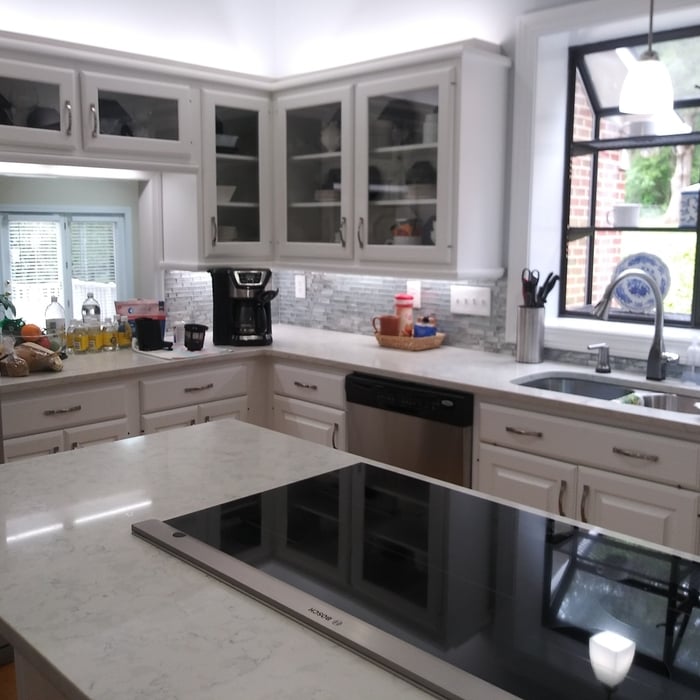




Top-rated deck staining pros.

Get matched with top deck staining pros in Lewisville, NC

Enter your zip and get matched with up to 5 pros

Need a pro for your deck staining project in Lewisville, NC?

Select your specific project to find the pro for you.

TRUSTED BY LEWISVILLE, NC HOMEOWNERS

  • Average homeowner rating star icon4.7
    Average homeowner rating
  • Verified reviews icon405
    Verified deck staining services reviews

Find Deck staining pros in Lewisville

Jp Cortes painting
5.0(
33
)
Exterior Home or Structure - Paint or StainExterior Home or Structure - Paint or Stain: LargeExterior Home or Structure - Paint or Stain: Medium

Serving Lewisville, NC and surrounding areas

Approved

In business since 2010

Free estimates

Warranties offered

"I have hired JP Cortes Painting off and on for 4 years for my home projects (painting a large deck, a concreate front porch, power washing projects). I never had them do any inside painting project, but would not hesitate to have them do it when/if needed. They are very profesional, do exceptional quality work, clean up after the work is done, are honest, friendly, the price is right, and true to their word/contract. I have also noticed over the 4 years, they have very little or no turnover of employees. Call them! You will be impressed. Best regards!"
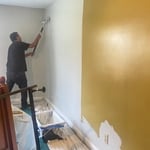
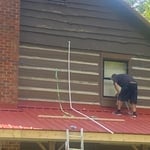
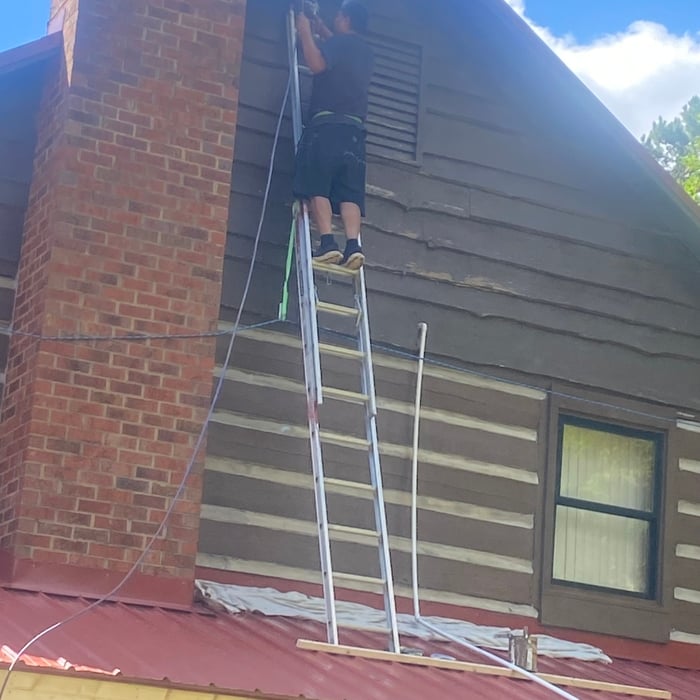
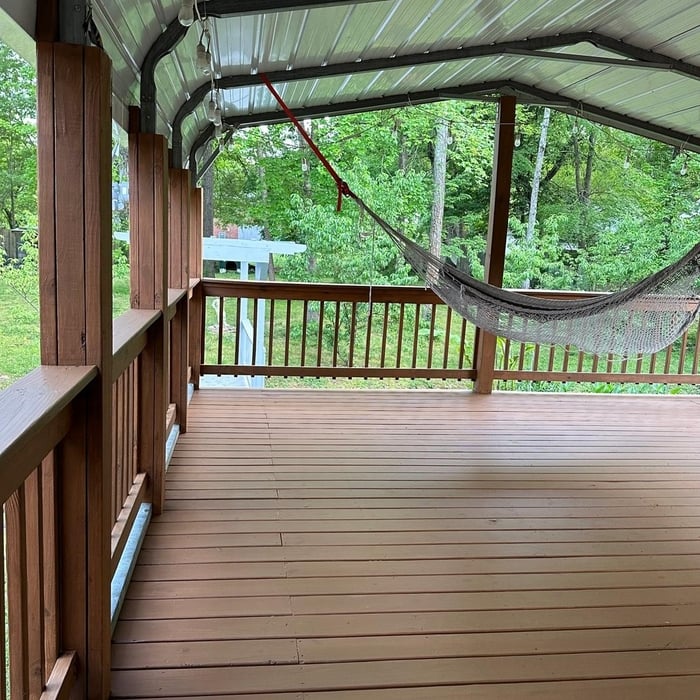
Additional Photos
Additional Photos
Additional Photos
Additional Photos
Additional Photos

+54

Response time9 hrs
Response rate100%
1 neighbors recently requested a quote
...
Showing 1-10 of 232
Deck Staining questions, answered by experts

While the answer varies based on weather, 10 a.m. is a good time to start painting. The dew will have dried, meaning there’s no moisture on the house, and the temperature will likely be moderate and the sunlight less direct. Starting mid-morning should also give you enough daylight and pleasant weather to work on the job for several hours.
Limewash and whitewash are two techniques used to give brick a light, matte finish, but they differ in composition, application, and permanence. The best choice depends on your aesthetic goals and the specific surface.

Composition

  • Limewash: A natural and environmentally friendly option made from limestone, water, and sometimes pigments. It is breathable and soaks into porous surfaces like brick.

  • Whitewash: Traditionally made from lime, water, chalk, and binders, but a similar look can be achieved with watered-down white paint. It is paint-based and sits on top of the surface.

Appearance and Finish

  • Limewash: Provides a natural, textured appearance that allows the brick's character to show through. It offers a more traditional finish.

  • Whitewash: Creates a softer, more opaque finish, often used for a rustic or shabby-chic style.

Application and Permanence

  • Limewash: Is semi-permanent and can be removed, making it a good choice if you might want to change the look in the future. It requires more skill to apply and cannot be used on previously painted brick.

  • Whitewash: Is a more permanent solution. It is more forgiving to apply and can be used on painted brick. However, because it sits on the surface, it can trap moisture.

Ultimately, if you want a breathable, natural, and reversible finish for unpainted brick, limewash is a great option. If you need a more permanent, opaque coating that can be applied over painted surfaces, whitewash is the better choice. Whitewashing may also be more economical, costing approximately $1.40 to $4.20 per square foot.

The best way to protect a deck is to prevent damage from UV light, water, mold, mildew, insects, and abrasive cleaning methods. Sweep regularly to prevent debris that hides bugs and traps moisture that can result in mold or mildew growth. Use a deck cleaner once a year to remove algae, mold, and mildew. Avoid using pressure washers on high, as they can damage the wood. Applying a deck sealant can protect the wood from UV and water damage, and adding shade can also reduce sunlight damage.

Stain is meant to be absorbed by the porous wood, allowing some of the natural grain to show through. With that in mind, you don’t want to add more stain than the wood can absorb, as you risk covering up its natural markings. Generally, two coats is the maximum you should do, although very dense hardwoods may only be able to take a single coat.

Deck staining or painting safeguards wood against the elements through its protective layer, enhancing decay resistance, prolonging structural integrity, and improving visual appeal.

The Lewisville, NC homeowners’ guide to deck staining services

From average costs to expert advice, get all the answers you need to get your job done.