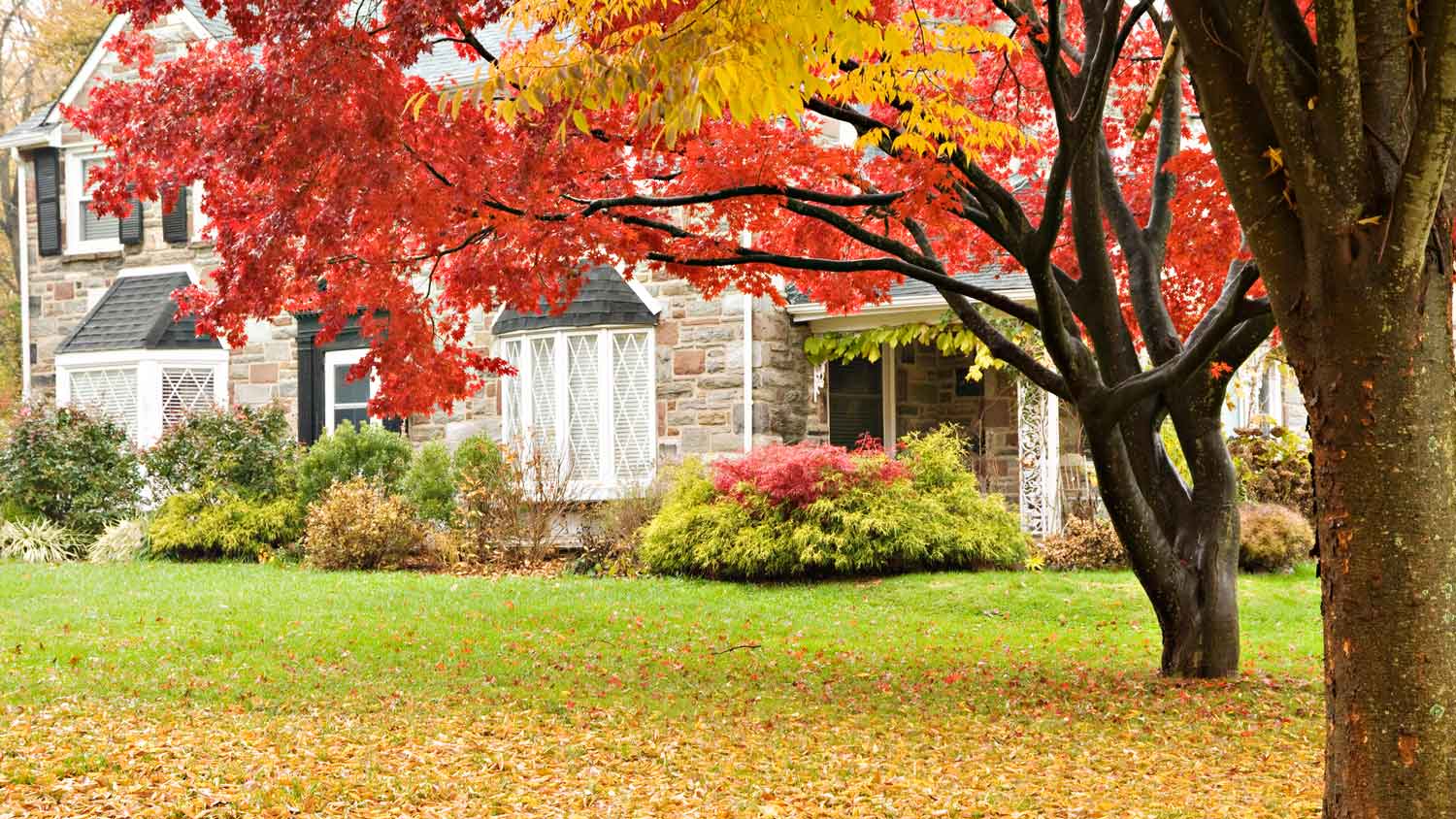
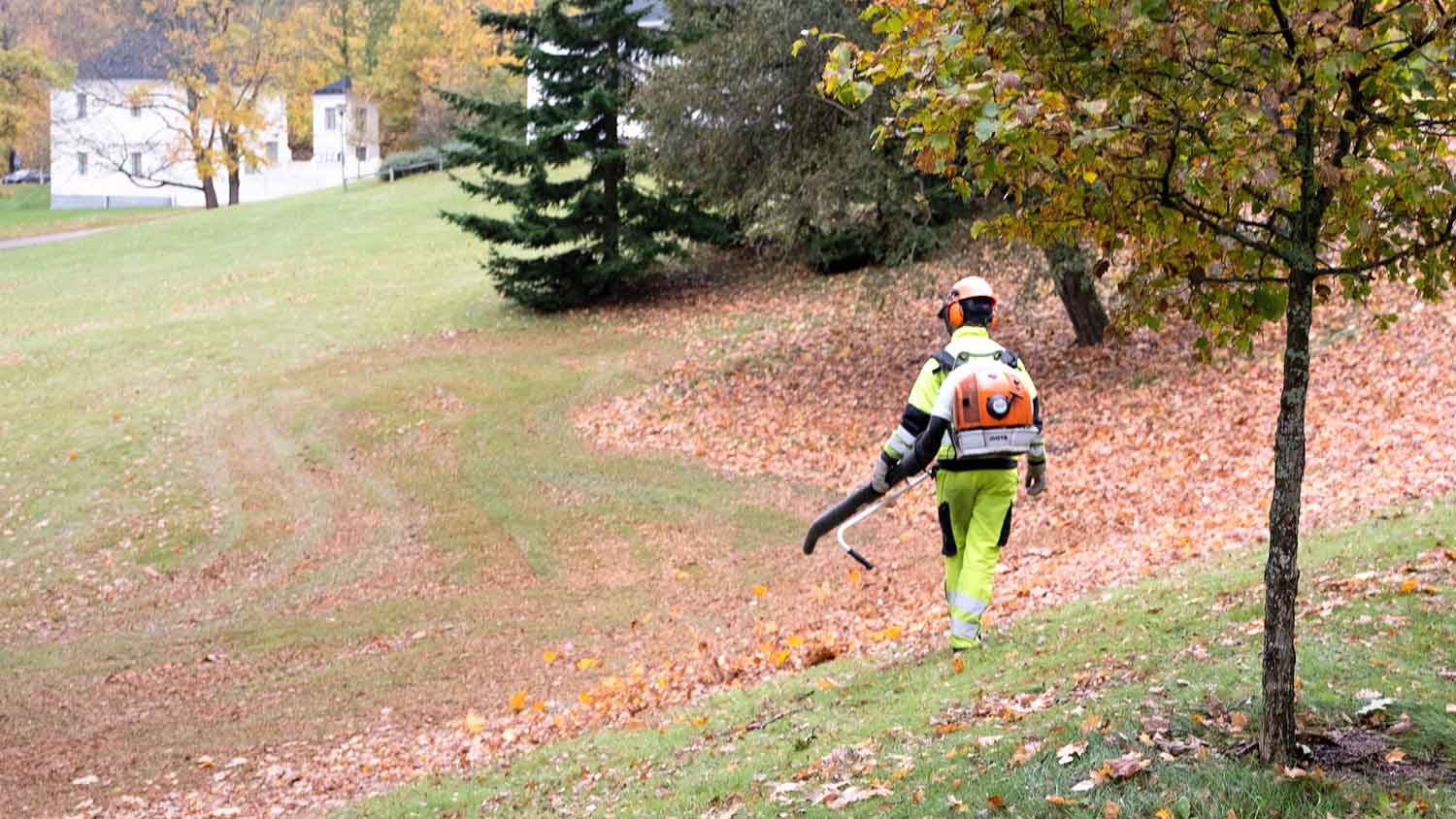
Top-rated leaf removal pros.

Best leaf removal pros near Hamptonville, NC

Enter your zip and get matched with up to 5 pros

Need a pro for your leaf removal project in Hamptonville, NC?

Select your specific project to find the pro for you.

Top-Rated Leaf removal pros in Hamptonville - Updated Nov 2026

M&D Property Solutions
4.5(
23
)
Waste, Junk, Building Materials and Debris - Remove and Haul

Serving Hamptonville, NC and surrounding areas

Approved

In business since 2017

Emergency services offered

Warranties offered

"It has worked out so well for me and my family. And yeah, please do it all day. Please let me know if I can help. Please let me know when I get home, and I will be home in the next few days. Please let me know when I can get you. Please let me know when I get back. Please let me know if I need anything else. Please let me know if I can get you a text or text me or text or call me when I can."
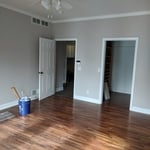
Master bedroom
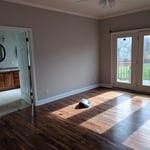
Master bedroom
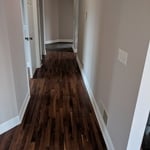
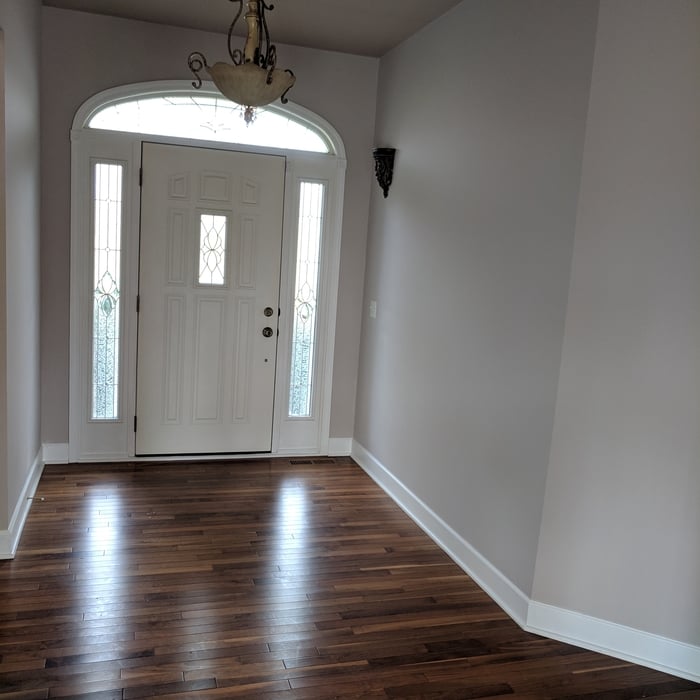
Front hall
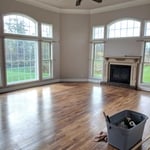
Living area
Entry

+10

Response time1 day
Recommended by100%of homeowners
Avatar for TaskEasy, Inc.
TaskEasy, Inc.
2.7(
160
)
Lawn Care - Maintain and Mow a Lawn

Serving Hamptonville, NC and surrounding areas

Approved

In business since 2013

Free estimates

Emergency services offered

"service was great and so was the price. contractor who did the work was very pleasant and professional. the only thing is he accidently cut down my baby lilac bush. it was just in the twig stage with about 20 leaves on it so it might have looked like a weed. otherwise, this contractor was fast and clean. would love to have him back. :)"
Handy Home Lawn Care
Response time1 day
Recommended by67%of homeowners
...
Showing 1-10 of 253
Leaf Removal FAQs, answered by experts

According to the Environmental Protection Agency (EPA), hazardous waste is generally classified into four main categories:

1. Characteristic Wastes: These exhibit at least one of four hazardous traits: ignitability (flammable, like gasoline), corrosivity (can rust or decompose materials, like car batteries), reactivity (unstable and can explode, like aerosol cans), or toxicity (harmful when ingested, like lead-based paint).

2. Listed Wastes: These are specific wastes from manufacturing and industrial processes that the EPA has officially designated as hazardous. They include byproducts from processes that use solvents, pesticides, and other chemicals.

3. Universal Wastes: These are commonly generated hazardous items that are subject to streamlined regulations. Examples include batteries, pesticides, mercury-containing equipment (e.g., bulbs), and some lamps.

4. Mixed Wastes: This category includes waste that contains both hazardous and radioactive components, making it subject to regulation by both the EPA and the Nuclear Regulatory Commission.
You do not have to remove lead paint if the surface is not chipping or peeling or if there are no pregnant people or children under the age of six who live in or regularly visit your home. Lead paint is a particular risk for young children whose brains and bodies are not fully developed. Experts strongly recommend that you call a pro to remove lead paint if it’s peeling or flaking, no matter who lives in the home. You can experience lead poisoning by breathing in or ingesting just a small amount of it.

Embarking on a kitchen demolition comes with its share of risks to keep in mind. Think of potential encounters with asbestos, sharp objects, and power tools—not to mention the peril of structures wobbling or unexpected plumbing surprises. And, of course, you will be surrounded by dust and debris throughout the process. All of the above makes safety gear necessary, or you can consider hiring a qualified professional.

No. Standard homeowners insurance does not cover any kind of lead remediation, focusing instead on sudden, unpreventable events like fires and theft. Many insurance companies will specifically exclude lead paint removal, since it tends to be an expensive and unavoidable project. The exception is if the lead surface is damaged during a covered event (like a flood) and homeowners insurance pays its replacement.

Hazardous waste is waste that poses a threat to human or environmental health. This generally refers to waste that is flammable, corrosive, toxic, or reactive. To confirm if the waste you need to remove is considered hazardous waste, contact your local hazardous waste facility.

The Hamptonville, NC homeowners’ guide to leaf removal services

From average costs to expert advice, get all the answers you need to get your job done.