

Top-rated plaster repair specialists.

Get matched with top plaster repair specialists in Hamlet, NC

Enter your zip and get matched with up to 5 pros

Need a pro for your plaster repair project in Hamlet, NC?

Select your specific project to find the pro for you.

Find Plaster repair specialists in Hamlet

Showing 1-10 of 32
Plaster Repair questions, answered by experts

While it’s most common to sand plaster dry, it is possible to wet-sand plaster, too. Doing so can reduce the amount of plaster dust released into the air and make it easier to work in smaller, more delicate areas (such as around wall trim). However, some people find that wet sanding leads to more imperfections, which is why larger walls are more often dry sanded to ensure an even finish.

It may take a bit of patience and trial and error to match your particular drywall texture type when making repairs. For orange peel or knockdown finishes, use a spray texture product or a thinned joint compound applied with a roller or sponge. Practice on scrap drywall or cardboard first. Once dry, lightly sand and prime before painting.

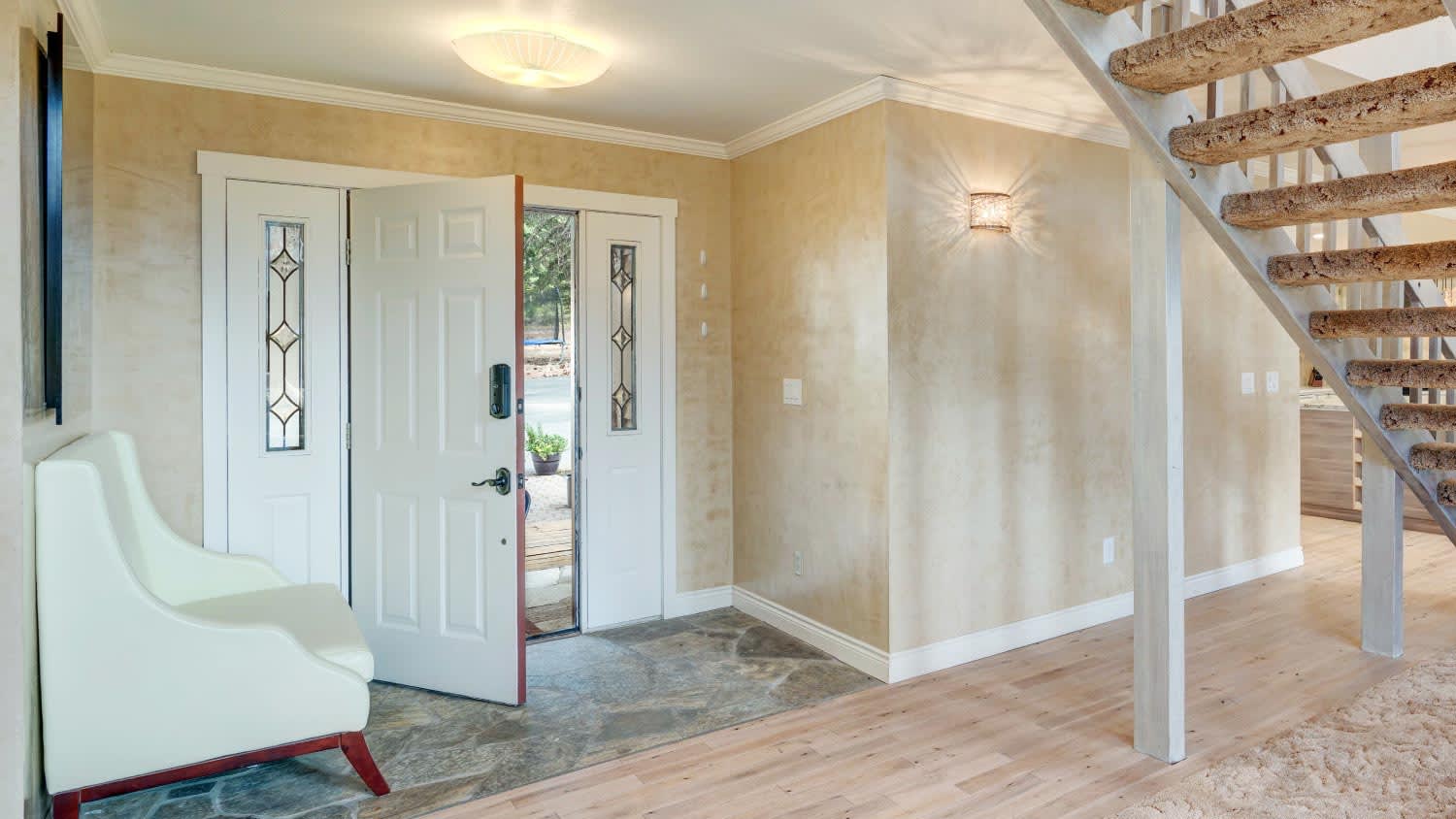
Venetian plaster is a highly durable wall finish that becomes a rock-like substance once dried, making it last longer than most other wall finishes. Its lifespan can range from decades to centuries, potentially lasting a lifetime. Key factors influencing its longevity include the quality of the initial application, whether it's properly sealed against moisture, and how the wall is maintained and treated (e.g., how often it is touched or bumped). Due to its mineral content, it can also develop a patina over time.

Like many other repair projects, the cost to fix a behind-the-wall shower leak depends on several factors. The cost of your repair may depend on the type of leak (from a clog or burst pipe), type of piping, and location of the leak. The extent of the issue and how difficult it is to access the pipes can greatly impact and increase your price. On average, you can expect to pay around $150 to $600 to repair a leaking shower.

Plastering and skimming are two different techniques for finishing walls. Plastering involves applying a thick layer of a plaster mixture—typically containing gypsum, lime, cement, sand, and water—to create a new surface. This process often requires multiple coats and is used for repairing significant damage or creating decorative textures. Skimming, on the other hand, is a technique that involves applying a thin layer of drywall compound or joint compound over an existing surface to smooth it out, covering minor imperfections, small cracks, or uneven textures for a polished look. Plastering is generally more costly and labor-intensive than skimming. Although some people use the terms interchangeably, they refer to different processes and materials.

The Hamlet, NC homeowners’ guide to plaster repairs

From average costs to expert advice, get all the answers you need to get your job done.