

Top-rated biohazard remediation specialists.

Best biohazard remediation specialists near Halifax, NC

Enter your zip and get matched with up to 5 pros

Need a pro for your biohazard remediation project in Halifax, NC?

Select your specific project to find the pro for you.

Top-Rated Biohazard remediation specialists in Halifax - Updated Nov 2026

M&D Property Solutions
4.5(
23
)
Radon Gas - Abatement

Serving Halifax, NC and surrounding areas

Approved

In business since 2017

Emergency services offered

Warranties offered

"It has worked out so well for me and my family. And yeah, please do it all day. Please let me know if I can help. Please let me know when I get home, and I will be home in the next few days. Please let me know when I can get you. Please let me know when I get back. Please let me know if I need anything else. Please let me know if I can get you a text or text me or text or call me when I can."
Master bedroom
Master bedroom
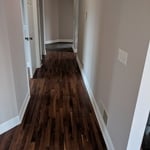
Front hall
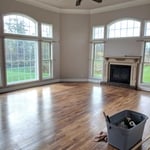
Living area
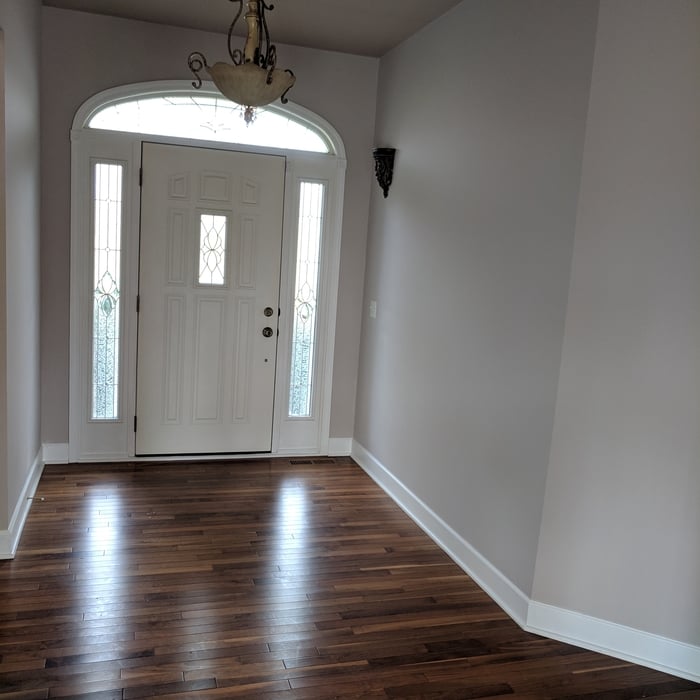
Entry

+10

Response time1 day
Recommended by100%of homeowners
Showing 1-10 of 46
Biohazard Remediation FAQs, answered by experts

Yes, mold can easily grow under your hardwood floors, especially if your house has recently flooded or if there is a leak from a pipe under the floor. Hardwood floors can trap moisture beneath them, creating the perfect environment for mold to grow. Similarly, mold can also grow under your wood floor’s surface paint.

A solution of bleach and water is the quickest method for killing mold, but not always the best for DIY use. For safe mold and mildew removal, consider using cleaning products like borax, vinegar, and hydrogen peroxide—though never combined with bleach—for a quick and safe clean.

You might be wondering, “Is laminate flooring toxic?” The product does contain formaldehyde, which is found in the resins used to bind the wood fibers together. But the chance of overexposure and adverse reactions, such as allergy- or asthma-like symptoms, is low unless you are exposed to formaldehyde in other places, i.e., if you work with formaldehyde regularly outside the home. Keep in mind, too, that many household products have the potential to pose a health hazard, such as cleaning products.

Mold grows in areas with humidity levels above 60%, but ideal conditions for mold growth occur when humidity is between 70% and 90%, especially in poorly ventilated areas. To prevent mold growth, aim to maintain indoor humidity levels between 30% and 50% using dehumidifiers, proper ventilation, and temperature control. Regularly check your home's humidity with a hygrometer to help you monitor and avoid conditions conducive to mold.

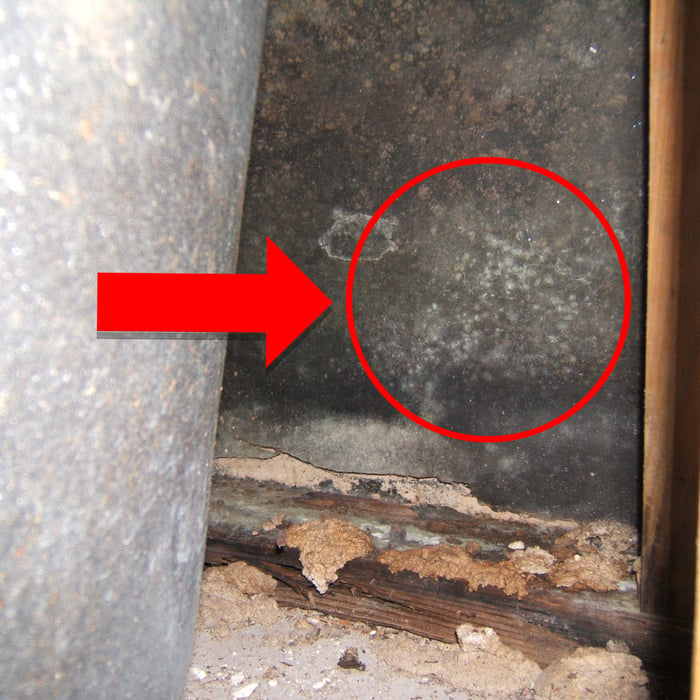
Humidity, moisture, and a lack of ventilation can all cause mold to grow on surfaces in and around your home.

The Halifax, NC homeowners’ guide to biohazard remediation services

From average costs to expert advice, get all the answers you need to get your job done.