"M&D Property Solutions did a great job at installing a Radon mitigation system for us. Braden was awesome to work with! All done in one day and completely satisfied with it. I would definitely recommend!"
"Jim did a fantastic job on our radon mitigation system. He is extremely professional. We could not have been more pleased! I would recommend him without hesitation to anyone needing radon work. "
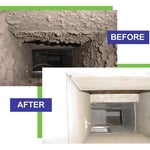
"A two-man team worked very efficiently to remove each vent cover and vacuum inside the vent openings throughout the townhouse. One man removed the vent covers while the other man vacuumed inside the vent openings. No problems with how they worked but I think there are other companies who perform a more thorough cleaning of ductwork using other methods. This company did a superficial cleaning and worked very quickly. In and out within an hour.
Radon Detection and Reduction questions, answered by experts
Long-term exposure increases lung cancer risks. Prolonged homestay individuals and smokers encounter heightened vulnerability and exposure concerns.
If your home has a sump pit, you can integrate it with a radon mitigation system. You can accomplish this by sealing the pump cover with an airtight lid that accommodates radon vent pipes and sump pump hoses. This allows the vent pipe to redirect the radon gas outside of your home.
Options include sub-slab depressurization, crawlspace ventilation, and sealing cracks. Choose based on home construction and radon levels.
The cost for a radon mitigation system typically ranges from $800 to $1,500, with an average around $1,000. The final price depends on several factors, including the size of your home, the severity of the radon issue, and the type of system required. Your home's foundation type also significantly impacts the cost. For example, sealing and ventilating an unfinished basement might cost around $4,600, while encapsulating a crawl space without a foundation slab can range from $1,500 to $15,000.
The natural breakdown of uranium in soil, rock, and water can cause radon to appear in a home. The gas seeps into homes through cracks in foundations, walls, or floors, as well as through gaps around pipes or construction joints. Radon levels are influenced by soil composition, building materials, and ventilation. Poorly sealed or airtight homes can trap radon, allowing it to accumulate.
The Engelhard, NC homeowners’ guide to radon detection and reduction services
From average costs to expert advice, get all the answers you need to get your job done.
Get clear answers on how much radon remediation costs, including average prices, key cost factors, and tips to save money on your home’s radon mitigation.
Find out what impacts radon testing costs, including average prices for DIY kits and professional services, so you can protect your home and budget confidently.
Radon is a gas that you can't see or smell and is harmful to your health. If your home has radon, you need to know who installs radon mitigation systems.