




Top-rated electricians.

Get matched with top electricians in Enfield, NC

Enter your zip and get matched with up to 5 pros

Need a pro for your electrical service project in Enfield, NC?

Select your specific project to find the pro for you.

Find Electricians in Enfield

Avatar for W B Lightning Rods
W B Lightning Rods
4.6(
369
)
Lightning Protection - Install or Repair

Serving Enfield, NC and surrounding areas

Approved

In business since 2001

Free estimates

Warranties offered

"We have been hit twice by lightning by God's grace either one hit our home however the last strike burnt art motorhome to the ground William was hired to install lightning protection lightning rods on our home and two out buildings he took the time to explain to us everything we needed to know answering every question professionally conducted himself in the utmost professional manner I would highly recommend lightning rods and even more highly recommended hiring William to do the job we are going to do an expansion later on and he will be the one and only contractor I will call to continue our lightning protection"
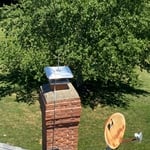
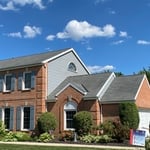
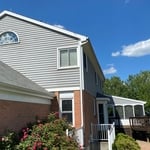
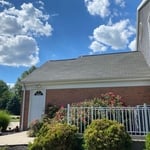
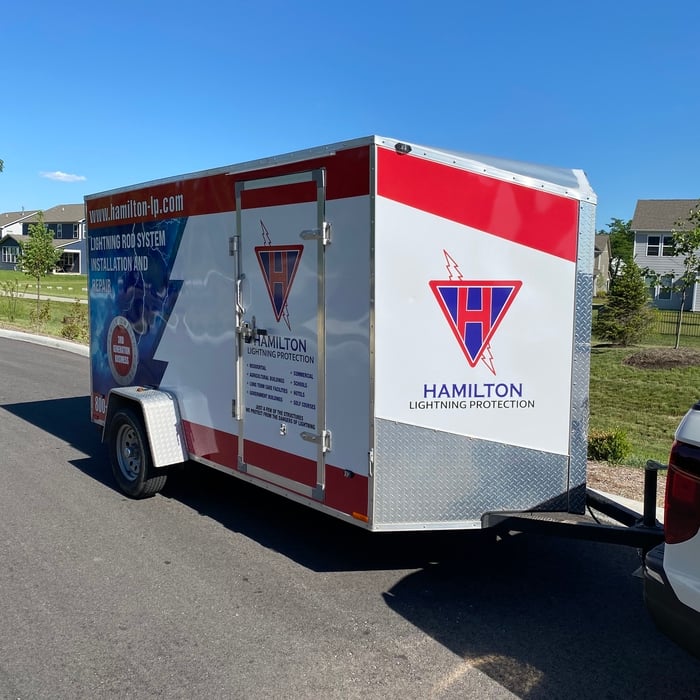
lightning protection
 Residential LPS
lightning protection
 Residential LPS
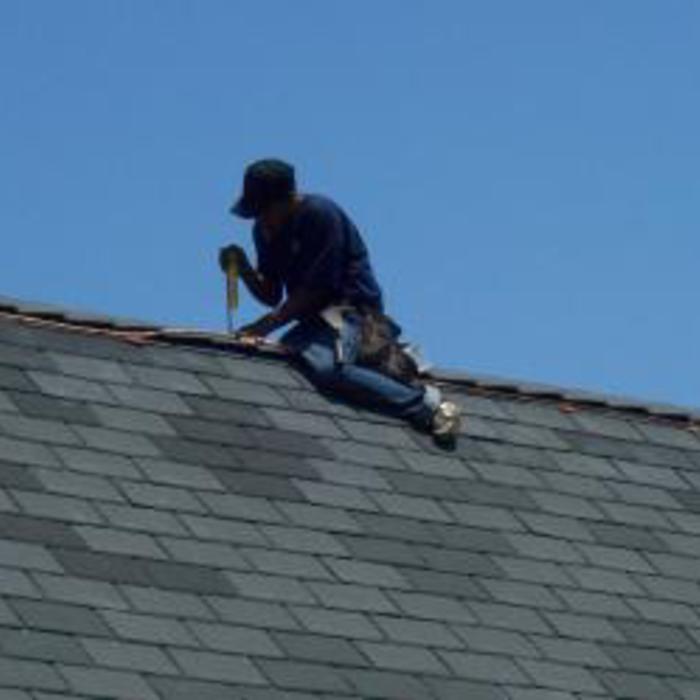
lightning protection

+79

Response time1 day
162 neighbors recently requested a quote
Recommended by97%of homeowners
M&D Property Solutions
4.5(
23
)
Appliance (Major Electric Appliance) - Install or Replace

Serving Enfield, NC and surrounding areas

Approved

In business since 2017

Emergency services offered

Warranties offered

"Needed fencing installed to keep groundhogs from taking up residence under our deck. Brady came up with a creative and complete solution that made sure the varmints were out and would not return. Would use again."
Master bedroom
Master bedroom
Front hall
Living area
Entry

+10

Response time1 day
1 neighbors recently requested a quote
Recommended by100%of homeowners
...
Showing 1-10 of 89
Electrical questions, answered by experts

Depending on complexity and materials, costs range from $150 to $500 per fixture.

Outdoor outlets should be at least 15-amp, but preferably 20-amp. The exact rating will depend on the electrical load of the devices that will be plugged into the outlet and the capacity of the circuit. It's important not to overload the circuit, which can cause safety hazards such as tripped breakers or electrical fires. In general, a circuit rated for at least 20 amps is recommended for outdoor outlets, while each outlet should be rated for at least 15 amps.

It can be safe to buy or live in a house with knob and tube (K&T) wiring, but only if the system is in good condition, functional, and has been thoroughly inspected and approved by a licensed electrician. Never purchase a home with K&T wiring without getting a professional electrical inspection first.

Key considerations include:

  • Safety and Condition: An inspector will verify that the wiring is safe and has not deteriorated. Over time, the insulation can wear away, leaving exposed wires that pose a significant fire or shock hazard.

  • System Capacity: The electrical service should be at least 60 amps. However, even at this capacity, K&T systems often struggle to handle the demands of modern appliances and electronics.

  • Lack of Grounding: Knob and tube wiring is an ungrounded system, which is a safety concern for many modern devices.

  • Ongoing Maintenance: If you live in a home with K&T wiring, it's recommended to have it inspected by an electrician every one to two years to ensure it remains in safe working order.

Ultimately, any inspection or modification of a knob and tube system should always be performed by a certified professional.

Do not touch electrical wires in your home without first turning off the power at your circuit breaker and testing the wire with a voltage meter or multimeter. Electricity still flows through wires even when a light switch is powered off, and touching wires with the switch on can result in electrical shock.

You can plug your electric car into a regular 120-volt household outlet only if you’re using a Level 1 charger. This method is slower and may take several days to fully charge your EV. For faster charging, you’ll need a Level 2 charger, which requires a 220- or 240-volt outlet.

The Enfield, NC homeowners’ guide to electrical services

From average costs to expert advice, get all the answers you need to get your job done.