
Top-rated epoxy flooring pros.

Best epoxy flooring pros near Deep Run, NC

Enter your zip and get matched with up to 5 pros

Need a pro for your epoxy flooring service project in Deep Run, NC?

Select your specific project to find the pro for you.

Top-Rated Epoxy flooring pros in Deep Run - Updated Nov 2026

NC Elite Contracting
5.0(
6
)
Concrete Finishing, Overlays & Coloring - Apply

Serving Deep Run, NC and surrounding areas

Free estimates

Emergency services offered

Credit card accepted

"Exelente!!! Dough is an excellent guy to work with. The workmanship and detail he put on rebuilding and remodeling my home was A+!!! He recently pour a concrete driveway at my daughter’s house as well as a gravel driveway to my second daughter and they are very happy with the results. If you are not happy with the results he will do his best to remedy anything and make people happy. Doug always told me “ I will do whatever it needs to be done to make you happy”. Doug is also very fair an honest. I highly recommend him as the owner of NC Elite Co. for your future projects. AND, Yes I will rehire him again?"
Handymen Project
Remodeling - General Project
Driveways - Concrete Project

+17

Recommended by100%of homeowners
...
Showing 1-10 of 61
Epoxy Flooring FAQs, answered by experts

Yes, you can seal old or existing concrete, but proper preparation is crucial. The concrete surface must be clean, dry, and free of any incompatible old sealant. To check if an old sealer is present, drip a few drops of water onto the surface; if the water is absorbed in under five minutes, it's ready to be resealed. If you plan to use the same type of sealer that was previously applied, you may not need to remove the old layer. However, if you are using a different type of sealer, the old one must be completely removed. Before applying the new sealer, thoroughly clean the concrete and repair or fill any cracks to ensure a smooth, well-prepared surface.

Garage floor sealers last anywhere from one to 10 years on average, depending on the type of sealer you use and the traffic it’s exposed to. Acrylic sealers have the shortest longevity, whereas most other options can last anywhere from five to 10 years. If you use an acrylic sealant to protect against stains, reapply every one to two years. Reapply other types of concrete sealers every five years for the best results and maximum protection.

Other garage floor concrete sealers besides epoxy include solvent-based acrylic and polyacrylic sealers, quick-drying polymer or polyurethane sealers, and scratch-resistant polyurea floor coatings that are ideal for exterior applications. These sealants come in basic clear forms and more decorative options, varying in price accordingly.

Polished concrete gets its glass-like finish from several rounds of polishing, using increasingly finer grit diamond grinding pads. The concrete’s hardness will determine which grits you need to get your desired finish. The densifier and sealer also contribute to the look of the final floor, so either talk to a concrete pro (or hire one) to achieve the right concrete floor finish.

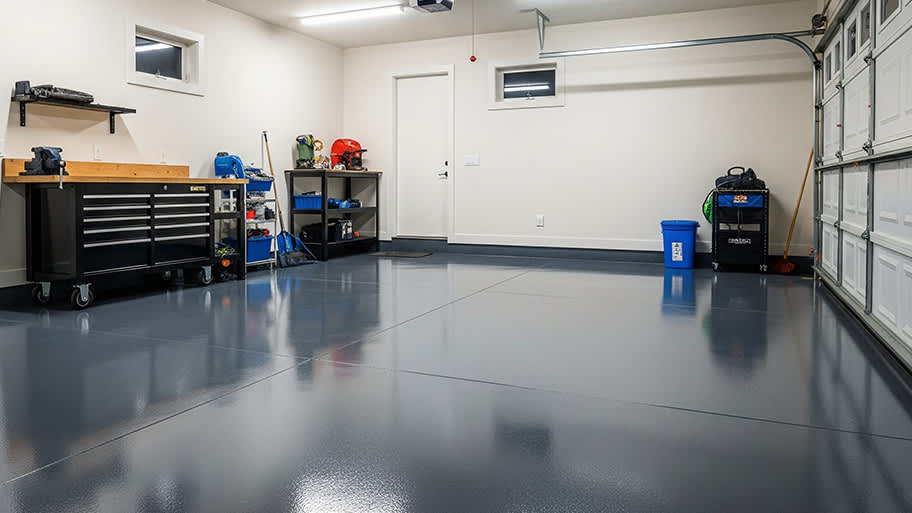
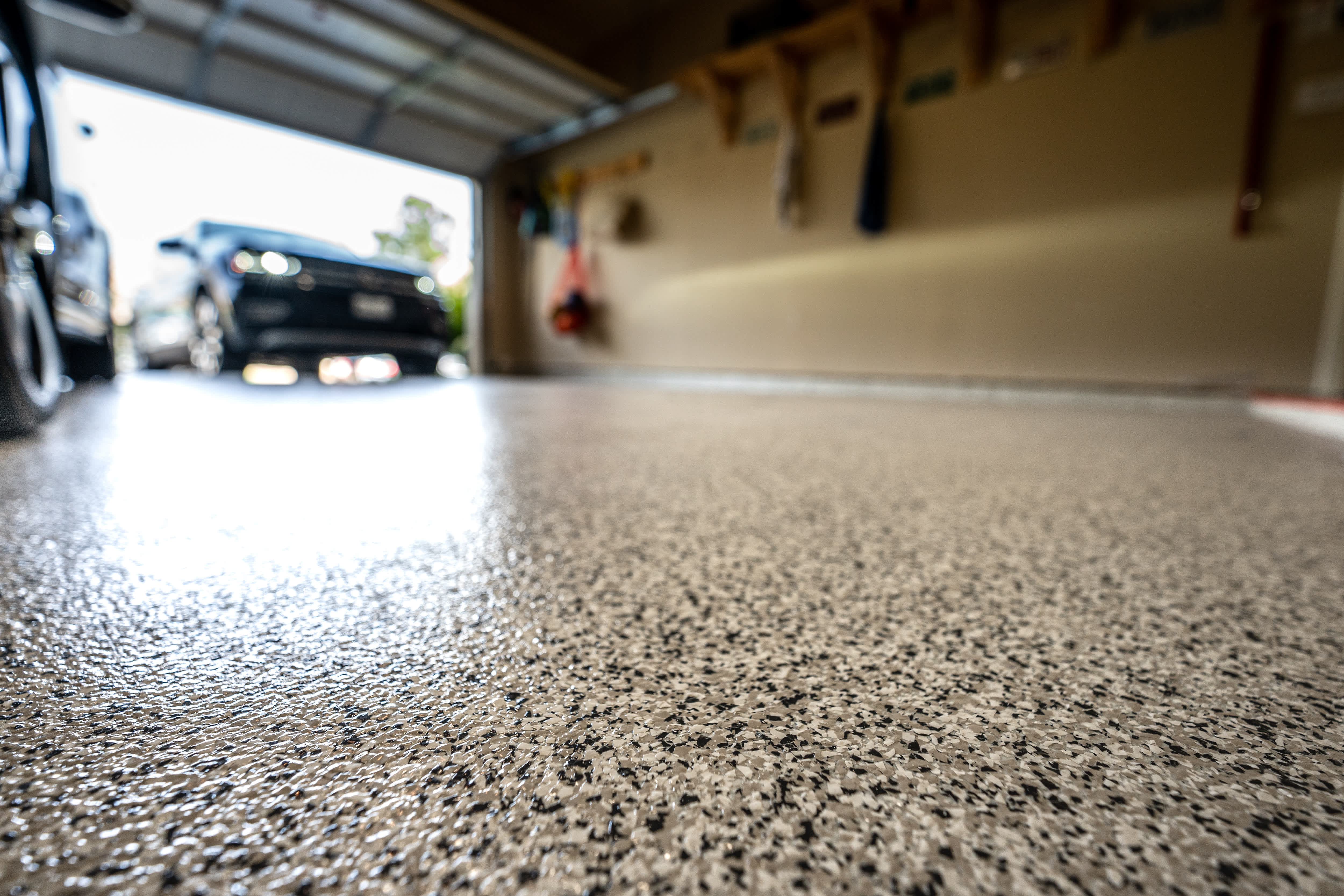
A concrete seal can protect your garage floor from water and stains as can an epoxy coating. The main difference is that epoxy is much more durable and better for heavy-duty wear and tear—it’s used in more industrial and commercial settings. If you’re just using the garage as storage for tools and your car, concrete sealer will do just fine. But if your garage doubles as a workshop for side projects and auto repair, epoxy will hold up better.

The Deep Run, NC homeowners’ guide to epoxy flooring services

From average costs to expert advice, get all the answers you need to get your job done.