

Top-rated leaf removal pros.

Get matched with top leaf removal pros in Conway, NC

Enter your zip and get matched with up to 5 pros

Need a pro for your leaf removal project in Conway, NC?

Select your specific project to find the pro for you.

Find Leaf removal pros in Conway

M&D Property Solutions
4.5(
23
)
Waste, Junk, Building Materials and Debris - Remove and Haul

Serving Conway, NC and surrounding areas

Approved

In business since 2017

Emergency services offered

Warranties offered

"Needed fencing installed to keep groundhogs from taking up residence under our deck. Brady came up with a creative and complete solution that made sure the varmints were out and would not return. Would use again."
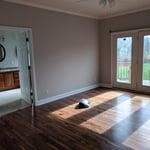
Master bedroom
Master bedroom
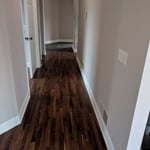
Front hall
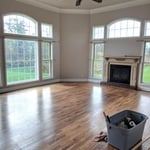
Living area
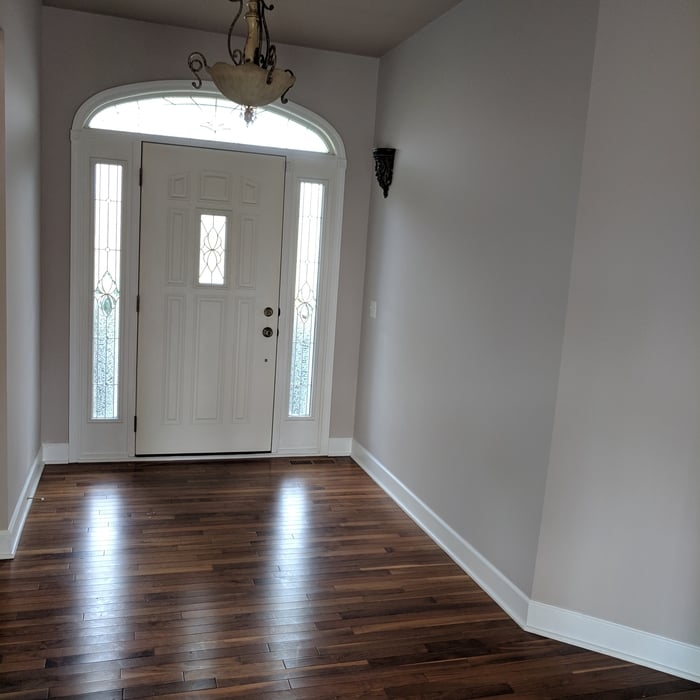
Entry

+10

Response time1 day
1 neighbors recently requested a quote
Recommended by100%of homeowners
Avatar for B&B solution
B&B solution
New to Angi
Waste, Junk, Building Materials and Debris - Remove and Haul

Serving Conway, NC and surrounding areas

Approved

Small jobs welcome

Offers commercial services

Hey, everyone this is B & B Solutions we specialize in small handyman services from painting, door lock replacement, light fixture and light switch replacement, ceiling fan replacement, or even turning your home into smart homes. We install security cameras and systems TV mounts and even pressure washing services. Next you have a small project that needing to be done give us a call or email today.

1 neighbors recently requested a quote
...
Showing 1-10 of 99
Leaf Removal questions, answered by experts

According to the Environmental Protection Agency (EPA), hazardous waste is generally classified into four main categories:

1. Characteristic Wastes: These exhibit at least one of four hazardous traits: ignitability (flammable, like gasoline), corrosivity (can rust or decompose materials, like car batteries), reactivity (unstable and can explode, like aerosol cans), or toxicity (harmful when ingested, like lead-based paint).

2. Listed Wastes: These are specific wastes from manufacturing and industrial processes that the EPA has officially designated as hazardous. They include byproducts from processes that use solvents, pesticides, and other chemicals.

3. Universal Wastes: These are commonly generated hazardous items that are subject to streamlined regulations. Examples include batteries, pesticides, mercury-containing equipment (e.g., bulbs), and some lamps.

4. Mixed Wastes: This category includes waste that contains both hazardous and radioactive components, making it subject to regulation by both the EPA and the Nuclear Regulatory Commission.

Hazardous waste is waste that poses a threat to human or environmental health. This generally refers to waste that is flammable, corrosive, toxic, or reactive. To confirm if the waste you need to remove is considered hazardous waste, contact your local hazardous waste facility.

Professionals are trained in identifying hazardous materials and utilize industry-approved methods for safe handling and disposal. They adhere to regulatory frameworks to protect health and the environment, ensuring all materials are disposed of safely and responsibly.

The best disposal method for hazardous waste is recycling or donation, if possible. That way, the world can reduce its consumption of raw materials and the volume at which materials have to be treated and disposed of. If recycling or donation is not an option, most waste can be disposed of through landfills or incinerators, but their collection and treatment are separate from regular day-to-day waste disposal. 

Lead removal can take a few days to several weeks, depending on the work needed, particularly if the lead is widespread and in hard-to-reach areas.

The Conway, NC homeowners’ guide to leaf removal services

From average costs to expert advice, get all the answers you need to get your job done.