


Top-rated radon detection and reduction specialists.

Get matched with top radon detection and reduction specialists in Clinton, NC

Enter your zip and get matched with up to 5 pros

Need a pro for your radon detection and reduction project in Clinton, NC?

Select your specific project to find the pro for you.

Find Radon detection and reduction specialists in Clinton

M&D Property Solutions
4.5(
23
)
Radon Gas - AbatementRadon Gas - Testing

Serving Clinton, NC and surrounding areas

Approved

In business since 2017

Emergency services offered

Warranties offered

"Needed fencing installed to keep groundhogs from taking up residence under our deck. Brady came up with a creative and complete solution that made sure the varmints were out and would not return. Would use again."
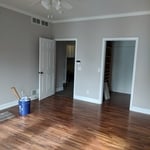
Master bedroom
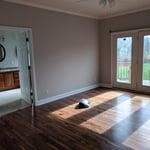
Master bedroom
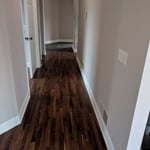
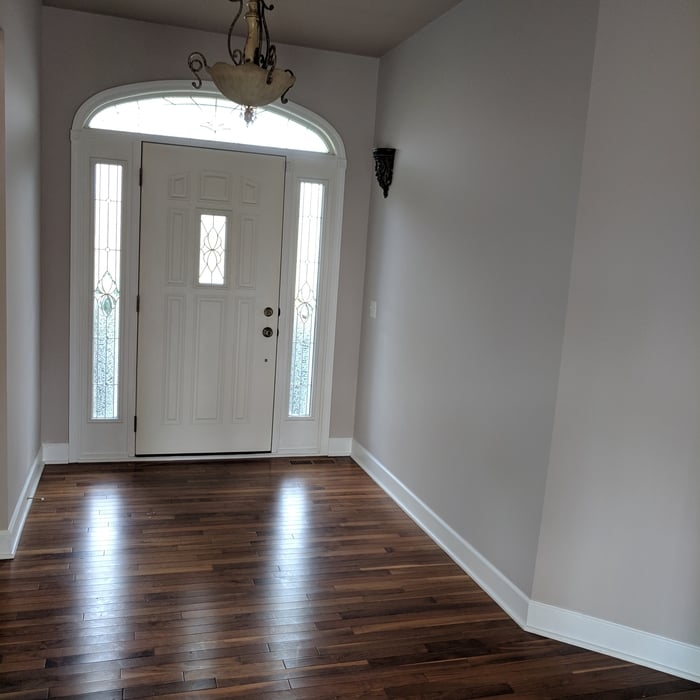
Front hall
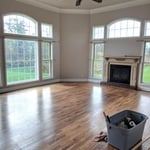
Living area
Entry

+10

Response time1 day
1 neighbors recently requested a quote
Recommended by100%of homeowners

Adam Cox
New to Angi
Radon Gas - AbatementRadon Gas - Testing

Serving Clinton, NC and surrounding areas

Approved

Small jobs welcome

Offers commercial services

Armed with more than 10 years of education, training, and hands-on experience in the environmental industry, I’m proud to provide professional environmental inspection services throughout North Carolina. I am licensed by the NC DHHS for asbestos inspections and certified in mold assessment, with additional experience in a wide range of environmental concerns and indoor air quality solutions.\n\nBecause I operate with low overhead costs, I’m able to offer high-quality services at fair and reasonable prices.\n\nFree consultations are always available — call today to discuss your project or concerns. Thanks for considering us!

7 neighbors recently requested a quote
Q I C, Inc
New to Angi
Radon Gas - Testing

Serving Clinton, NC and surrounding areas

In business since 2001

Free estimates

Credit card accepted

Here at Q I C, Inc., we take pride in our company. We know that buying a house is one of life's biggest decisions. Before you close, you'll want a professional inspection of the house to ascertain its true condition. As your home inspector, I'll provide a written report that will include an evaluation of the house's major systems and outlying areas. Please give us a call today!

Radon Detection and Reduction questions, answered by experts

You can vent radon out of your house sometimes by simply opening a window, but it won’t remove the source, and will likely rise above recommended levels quickly. A professional will be needed to assess your home, and determine the best strategy for radon removal. Active radon sump pumps and soil depressurization systems are often used to forcefully vent the radon from your home.

No, radon mitigation systems do not decrease home value or make a home harder to sell. In areas where homes experience similar radon exposure risks, a radon mitigation system is viewed as an improvement. Potential homebuyers often opt to buy a home with a radon mitigation system already installed to reduce the risk of cancer for their families.

The lifespan of a radon mitigation system depends on the type of system and its maintenance. With proper care, a system can last for many decades. Passive systems tend to last longer as they have fewer components that require replacement. Active systems, which have more moving parts like fans, generally have a shorter lifespan. For instance, water filtration devices and active pressurization systems require more frequent maintenance. While the system as a whole is durable, the radon fan in an active system typically has a lifespan of 5 to 10 years and will need to be replaced. As long as the fan is working, the mitigation system should function correctly.

Your radon mitigation system may be loud because it’s time to replace it. Any sounds are usually from the inline fan that helps create the vacuum and resulting airflow. If you hear a new, loud mechanical or humming noise from your radon fan, it might be time to replace it. Most fans used in radon mitigation systems last up to 10 years, but may need to be replaced sooner.

Keeping radon from getting into your home is much better than having to get rid of it once it's already indoors. While there may not be a way to fully prevent radon from getting into your home, there are things you can do to reduce the gas's ability to enter. 

Sealing foundation cracks and openings can help keep the gas from seeping inside. Improving air flow, such as by opening windows, can also be helpful. If you're building your home from scratch, talk to your contractor about using radon-resistant construction to keep the gas out.

The Clinton, NC homeowners’ guide to radon detection and reduction services

From average costs to expert advice, get all the answers you need to get your job done.