

Top-rated arborists.

Best arborists near Bayboro, NC

Enter your zip and get matched with up to 5 pros

Need a pro for your arboricultural service project in Bayboro, NC?

Select your specific project to find the pro for you.

TRUSTED BY BAYBORO, NC HOMEOWNERS

  • Average homeowner rating star icon4.2
    Average homeowner rating
  • Verified reviews icon174
    Verified arboricultural services reviews

Top-Rated Arborists in Bayboro - Updated Nov 2026

C Gull Tree Service
4.6(
71
)
Tree TrimmingTree RemovalTree Removal - For Business+5 more

Serving Bayboro, NC and surrounding areas

Approved

In business since 2013

Free estimates

Credit card accepted

"Highly recommend C Gull tree service! They were professional and did an outstanding job from start to finish. Their pricing was fair and they clearly take pride in their work. If you need a job done right this is the company to call!"
11 neighbors recently requested a quote
Recommended by90%of homeowners

Avatar for KC Company Landscaping
KC Company Landscaping
5.0(
9
)
Tree Removal

Serving Bayboro, NC and surrounding areas

In business since 2003

Free estimates

"My personal property, I wanted to trim oak tree. They advised not at that time due tree hadn't gone dormant yet. Finally trmmed. Starting to look good. HOA - cleared ditch bank - trees/bushes. Looked good. Cleaned up debris."
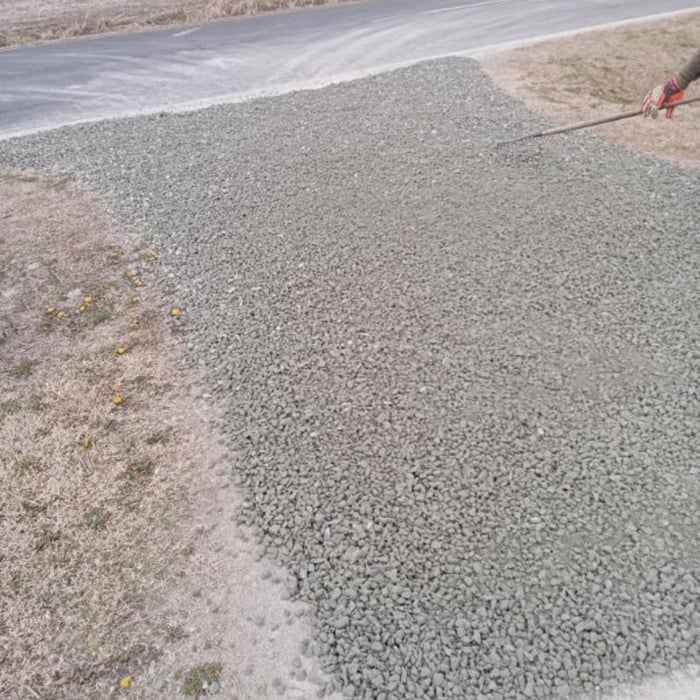
Back yard makeover
Final product
First day of getting started
Additional Photos
Additional Photos

+7

Response time1 day
Response rate100%
Recommended by100%of homeowners
Showing 1-10 of 40
Arborists FAQs, answered by experts

If you don’t stake a tree that needs support, it could be at greater risk of being damaged or failing completely, whether it uproots or falls over. That could cause damage to your property or other surrounding trees. If you want to grow healthy trees, you may need to stake them for best results.

In most cases, you should not use a pruning seal on trees after trimming. Applying a sealant can interfere with the tree's natural healing process, and it does not guarantee protection from pathogens. Instead of sealing the cut, the best practice is to support the tree's natural recovery by providing it with plenty of water and a dormant-style fertilizer. However, there are exceptions. Pruning seals may be recommended for very vulnerable species, like elm trees, in areas where dangerous diseases such as Dutch elm disease are prevalent. In these specific situations, the protection offered by a sealant can outweigh its downsides. For advice tailored to your situation, especially after cutting large branches, it is best to consult a local tree trimming professional.

It can be bad to leave a dead stump in the ground. A stump becomes a hefty piece of dead wood in time and eventually (especially with the help of rain) starts to rot. That makes it a locus point for diseases and pesky insects, as well as a bit of an eyesore. It’s best to remove a tree stump completely before it starts to decay, especially before it starts to fall apart. If the tree was removed because of disease, it’s even more important to fully remove the stump if possible.

Generally, you’ll want to prune back the trunk by 1 to 2 feet each year to promote bushy growth. Doing so concentrates vegetative buds closer to the bottom of the tree, where you can easily harvest fruit. For side shoots that are a year old, leave at least six leaves. 

Never remove more than 30% of a tree’s foliage during pruning—even if your tree is really overgrown. Removing this much foliage at a time could kill your tree.

Generally, avoid trimming trees in the summer (with the exception of pruning fruit trees as needed). Trees use a lot of energy in the summer, most of which is relegated to new growth. If you chop it too early, you could stunt the next season's growth. Again, when in doubt, do some research based on the specific tree type.

The Bayboro, NC homeowners’ guide to arboricultural services

From average costs to expert advice, get all the answers you need to get your job done.