reviewed--All Star Professional Coatings is your one stop shop for all your outdoor coating needs, and we guarantee you a job well done! Jobs of all sizes from exterior structure painting, to driveway and parking lot sealing, we are your guys! We strive to exceed the expectations of every homeowner and business owner each and every time to get the job done the way you want it. We work in a timely fashion and always pay attention to detail. Proudly serving Williston and surrounding areas. Free estimates. Call today!
Driveway Sealcoating questions, answered by experts
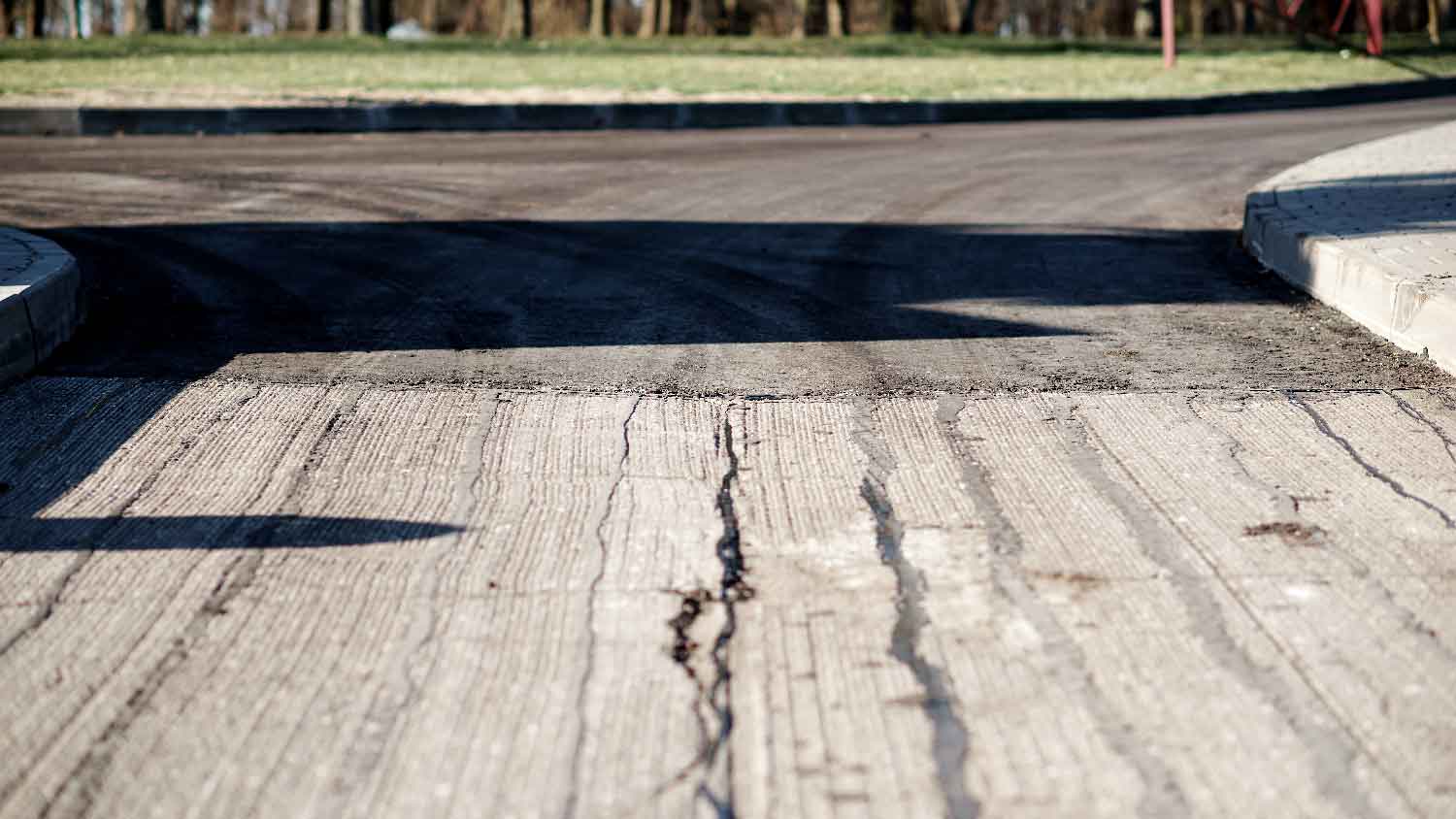
Fading color, visible cracks, or water pooling signal the need for sealing to prevent further damage.
In general, crack fillers last for about two years on average. That timeline can be shorter if you have extremely harsh winters or longer if you live in a mild climate. Luckily, this product is pretty affordable at the hardware store (about $10 to $30) and easy to DIY, so redoing it every few years shouldn’t be too much of a hassle.
What causes driveways to crack can vary by driveway material. Sealcoating with the right formula creates a protective "shell" over a driveway. Resealing a driveway on schedule helps to preserve its lifespan substantially by keeping it protected against damage from UV rays, motor oil, chemicals, hail, rain, snow, and more. If you don't reseal your driveway, this will lead to brittleness, cracking, and potholes that can eventually cause your driveway to fall apart.
When hiring an asphalt paving contractor to install your driveway, ask as many questions up front as possible. Here are a few questions to ask a prospective driveway contractor:
How many years of experience do you have?
Are you licensed, bonded, and insured?
Do you have worker’s compensation?
Do you use subcontractors on your projects?
Do you clean up after the job is done?
Who is responsible for any damage to lawn or landscaping?
Do you provide a guarantee or warranty on your work?
Do you give free estimates?
What is the timeline for completion?
How do you handle change orders?
Can you provide at least three references?
Can I see some of the work you’ve done?
Costs depend on the extent of damage, material costs, labor, and whether resurfacing is needed.
The Wolf Point, MT homeowners’ guide to driveway sealcoating
From average costs to expert advice, get all the answers you need to get your job done.
Driveway extensions can provide valuable parking and recreation space and add to the value of your home on resale. Find out how much driveway extensions cost.
Learn how to find a top-rated asphalt driveway sealing pro by checking credentials and asking the right questions to ensure your pavement is protected.