Driveway Sealcoating questions, answered by experts
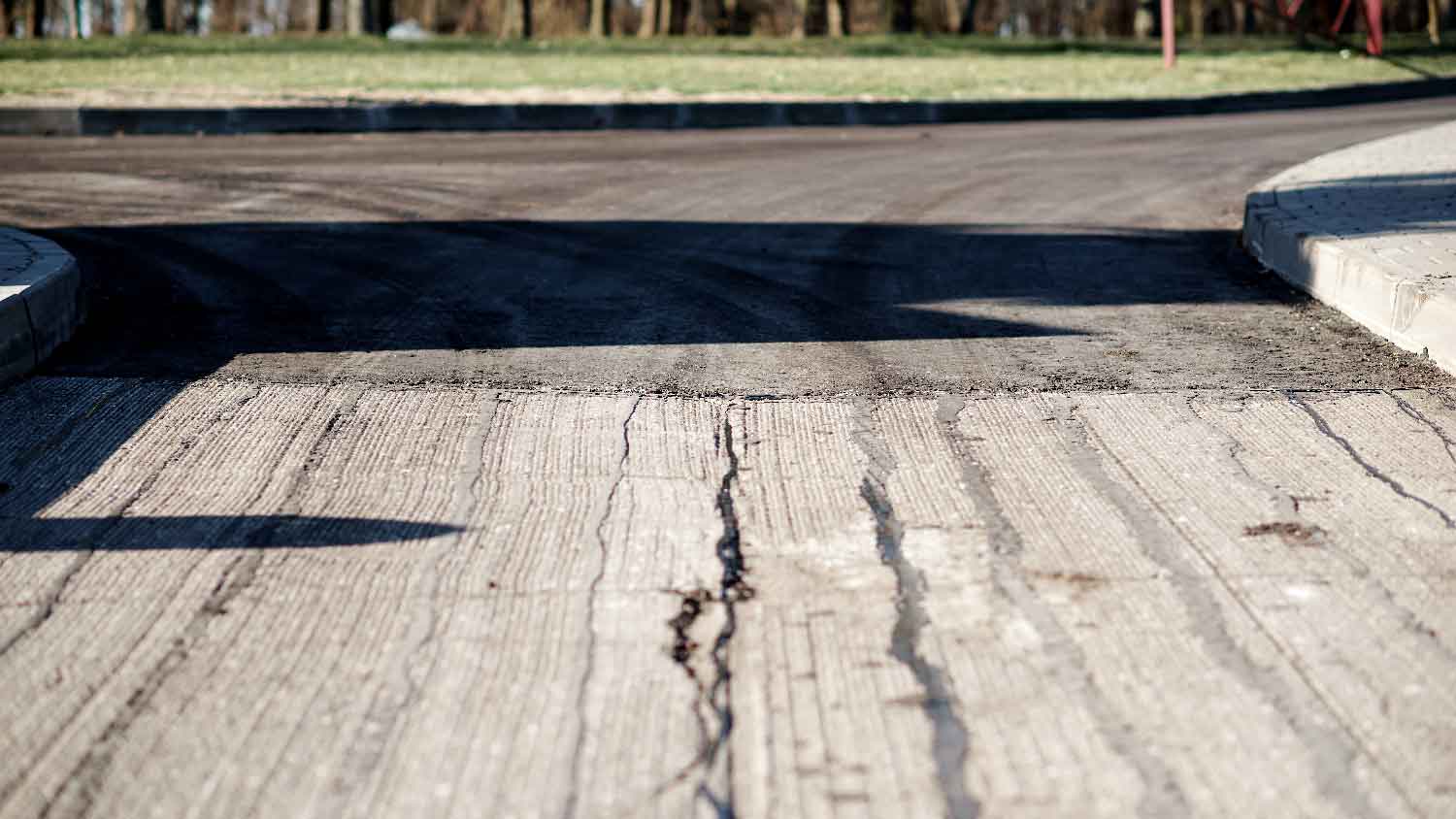
DIY asphalt repair is feasible for small issues like cracks or potholes, provided you have the correct materials and tools. However, for more extensive damage or to ensure a durable, smooth surface and prevent further deterioration, engaging professional services is recommended for their expertise and long-lasting results.
Maintaining a driveway depends on its material. For concrete and asphalt, it's best to clean the surface thoroughly twice a year with a stiff broom and a pressure washer to remove accumulated dirt and debris. Sealing the driveway is crucial to protect it from water damage and freeze-thaw cycles. Before applying a sealant, pressure wash the surface to remove any loose sealant, dirt, or stains, as sealing over them will trap them. Any cracks or expansion joints should be filled with a flexible polyurethane caulk or asphalt sealer. In colder climates, use sand instead of salt for de-icing. Sand helps melt snow and ice without accelerating the freeze-thaw process, which can cause cracks.
Sealant comes in 5-gallon buckets that can cover up to 400 square feet. Measure your driveway to get the exact square footage, and remember to factor in enough sealant for two coats.
It is not recommended to seal brand-new asphalt immediately. You should wait at least three months after installation to allow the asphalt time to cure properly. Applying a seal coat too soon can trap the asphalt's oils and chemicals, preventing it from fully hardening. This can result in a weaker surface that is more susceptible to damage. After the three-month curing period, sealing the asphalt is beneficial as it can extend its lifespan by protecting it from water, UV rays, and other damaging elements.
Sealing your driveway gives it the longest possible lifespan. You’ll reduce your driveway’s risk of cracking, breaking down from exposure to UV light, discoloring, and staining from road chemicals.
The Frazer, MT homeowners’ guide to driveway sealcoating
From average costs to expert advice, get all the answers you need to get your job done.
Driveway extensions can provide valuable parking and recreation space and add to the value of your home on resale. Find out how much driveway extensions cost.
Learn how to find a top-rated asphalt driveway sealing pro by checking credentials and asking the right questions to ensure your pavement is protected.