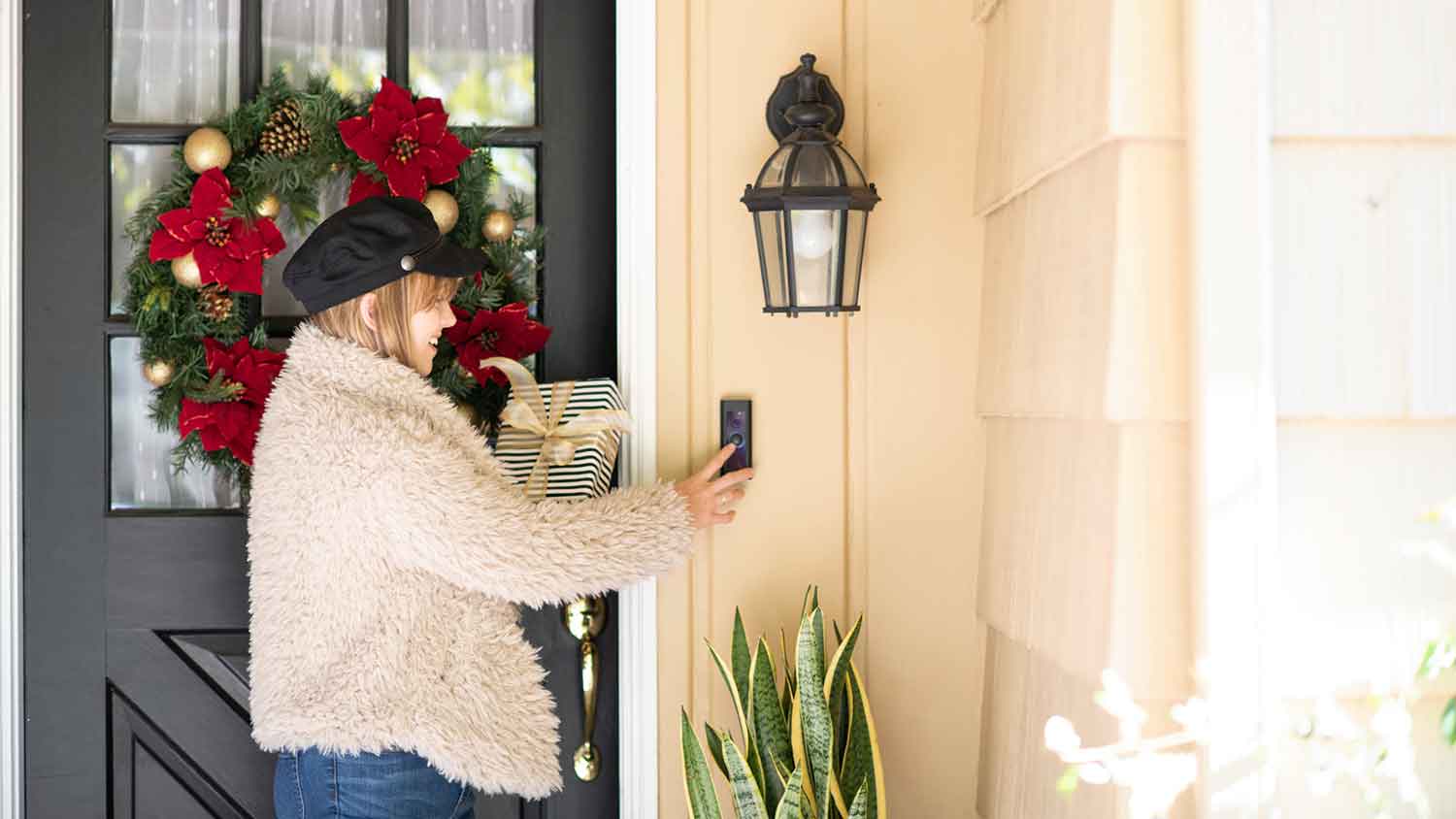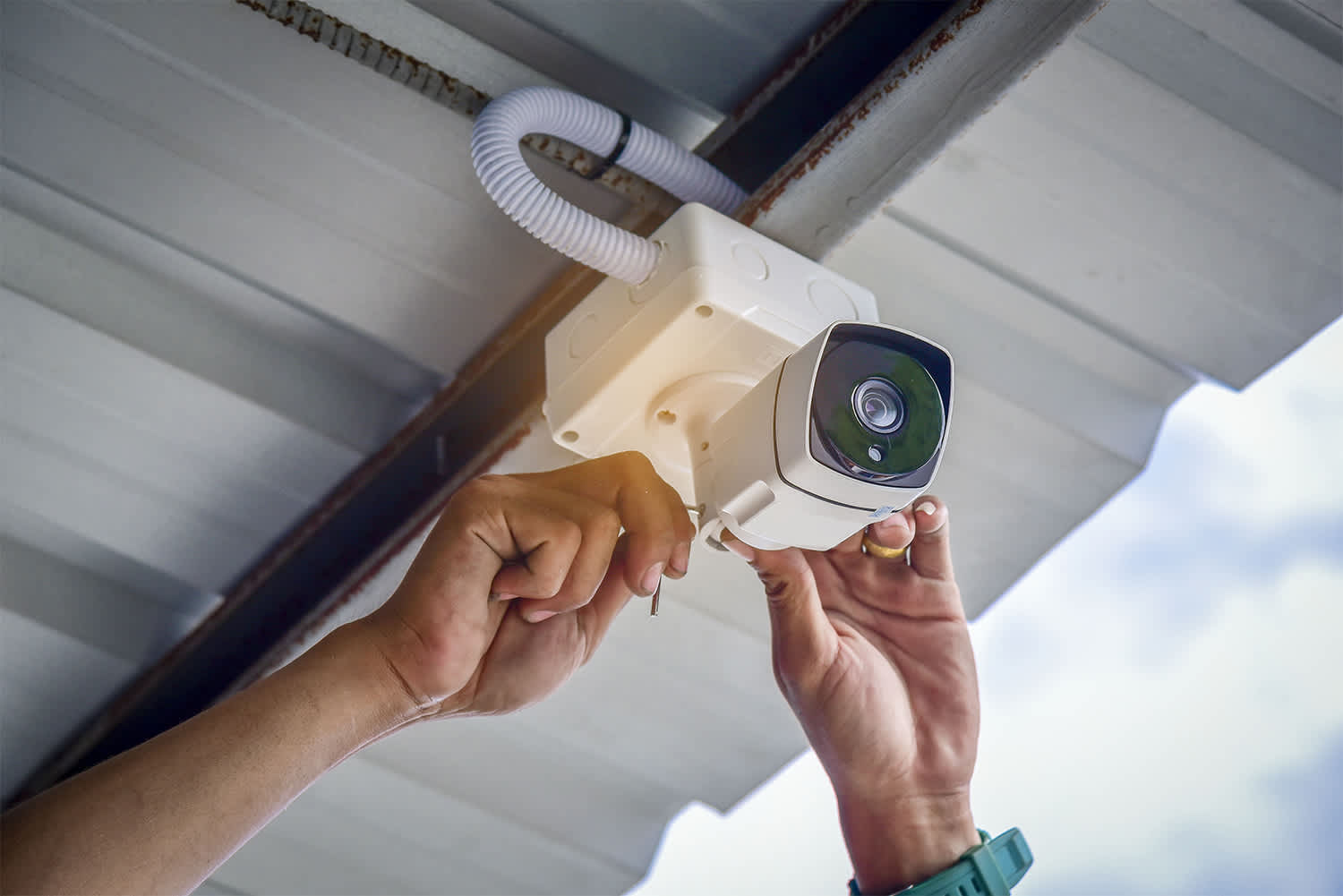


Top-rated doorbell installation pros.

Get matched with top doorbell installation pros in Three Forks, MT

Enter your zip and get matched with up to 5 pros

Need a pro for your doorbell installation project in Three Forks, MT?

Select your specific project to find the pro for you.

TRUSTED BY THREE FORKS, MT HOMEOWNERS

  • Average homeowner rating star icon4.9
    Average homeowner rating
  • Verified reviews icon34
    Verified doorbell installation services reviews

Find Doorbell installation pros in Three Forks

No results for Doorbell installation pro in

Try adjusting your search criteria.
Doorbell Installation questions, answered by experts

Yes, insulating ductwork in a crawl space is a worthwhile investment, especially if you live in a colder climate or run your air conditioning for most of the year. Uninsulated ducts can lose up to 30% of their heating and cooling efficiency, which can significantly impact your electricity bill. The project is a relatively small investment and typically only takes a few hours. It's a particularly simple add-on if you are already hiring someone to insulate the entire crawl space. An added benefit is that insulated ducts put off less hot or cold air, making them less attractive to pests.

In addition to adding insulation to your attic, you may want to add a radiant barrier. A radiant barrier works by using reflective material, such as foil, on the attic floor. As heat penetrates the roof and enters the attic, the radiant barrier reflects the heat upward and back through the roof. If you receive a lot of direct sunlight on the roof, using both a radiant barrier and insulation in your attic can provide significant benefits.

Fiberglass is considered a favorite garage insulation choice due to its combination of affordability, ease of installation, and overall effectiveness. Fiberglass provides good thermal resistance, helping regulate garage temperatures and minimize heat transfer. Additionally, fiberglass is moisture-resistant, reducing the risk of mold or mildew formation.

While insulation is required for all exterior walls in a house, it is not typically required for interior walls. Local and state building codes mandate that new construction homes have adequate insulation in exterior walls and ceilings to suit the local climate.

However, there are several benefits to adding insulation to interior walls. It is excellent for sound-dampening between rooms and can help with temperature control by maintaining a regulated temperature in specific rooms and lowering heat transfer between adjacent areas. Insulating interior walls can also contribute to the overall energy efficiency of your home.

The best type of insulation for your home depends on your specific needs, climate, and the area you are insulating. For new construction, structural insulated panels are a highly energy-efficient option that is easy to install during the building process. In very warm climates, reflective insulation can be a cost-effective choice. For cold climates, fiberglass is an excellent option due to its high R-value and resistance to settling over time. Spray foam works well in humid environments because of its moisture-resistant properties. For standard attics, loose-fill, spray foam, or blown-in insulation are all suitable options.

The Three Forks, MT homeowners’ guide to doorbell installation services

From average costs to expert advice, get all the answers you need to get your job done.