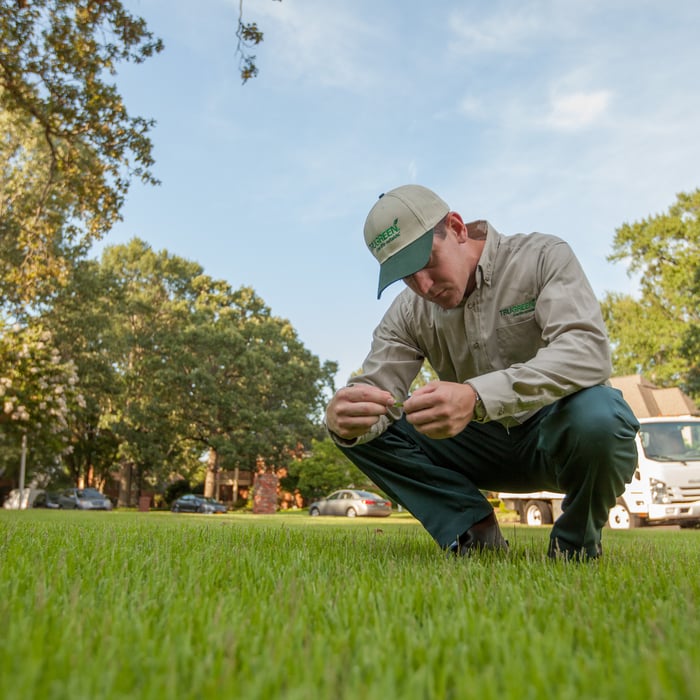
"Tru green is pretty good when it comes to fertilizing and killing weeds, but it also depends on the employee spraying your lawn. I've had different results with different employees some good and some bad"
Repair costs typically range from $200 to $1,500, depending on the issue, such as leaks, burner malfunctions, or thermostat failures. Complex repairs involving heat exchanger replacement can be more expensive.
Yes, you can replace a damaged panel on your storm door yourself, but it requires precision and attention to detail. If you're unsure about any step or if the damage is extensive, it might be best to consult a professional door company to ensure the replacement is done correctly. Proper installation guarantees the safety, functionality, and aesthetic appeal of your storm door.
Yes, many HVAC professionals offer emergency repair services for furnaces and other heating systems. These services are especially common during the winter and colder seasons when functional heating is crucial.
While it's generally safe to stay in a home with a coolant leak if your home is properly ventilated, it's important to have a professional come out to assess the situation right away. You should evacuate your home if you notice any powerful fumes. Additionally, you should leave your home if you are experiencing headaches or dizziness.
Once installed, there are very few downsides to heated floors. Of course, there is always the potential for a breakdown in the system. That is rare, however, and most issues, if any, come from a failure with the thermostat, which is usually easy to access and replace. The downside is that heated floors are more expensive to install than other types of flooring. If you are installing in an older home, they can also raise the floor level, which can pose some issues with doors and flooring transition strips.
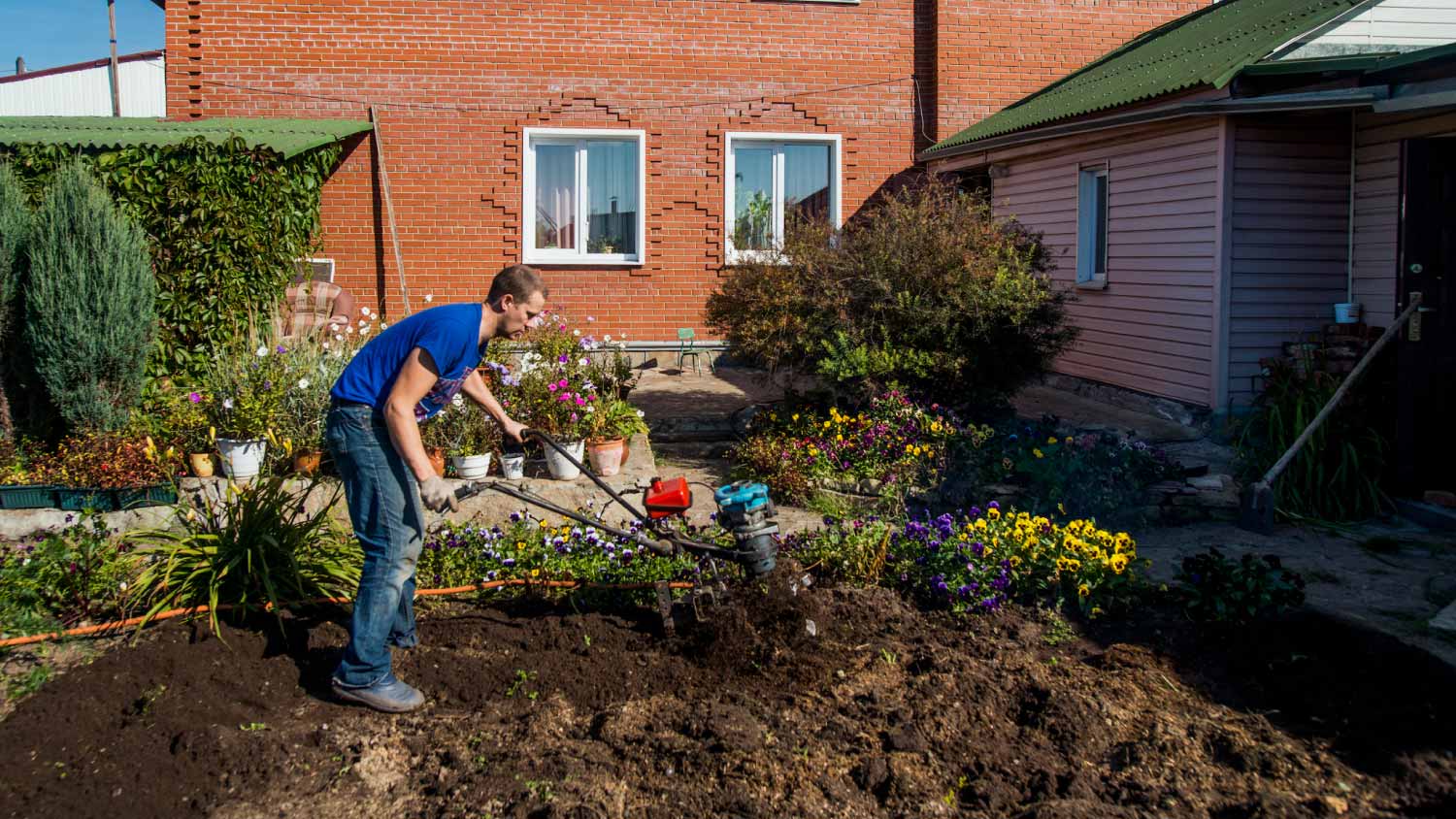
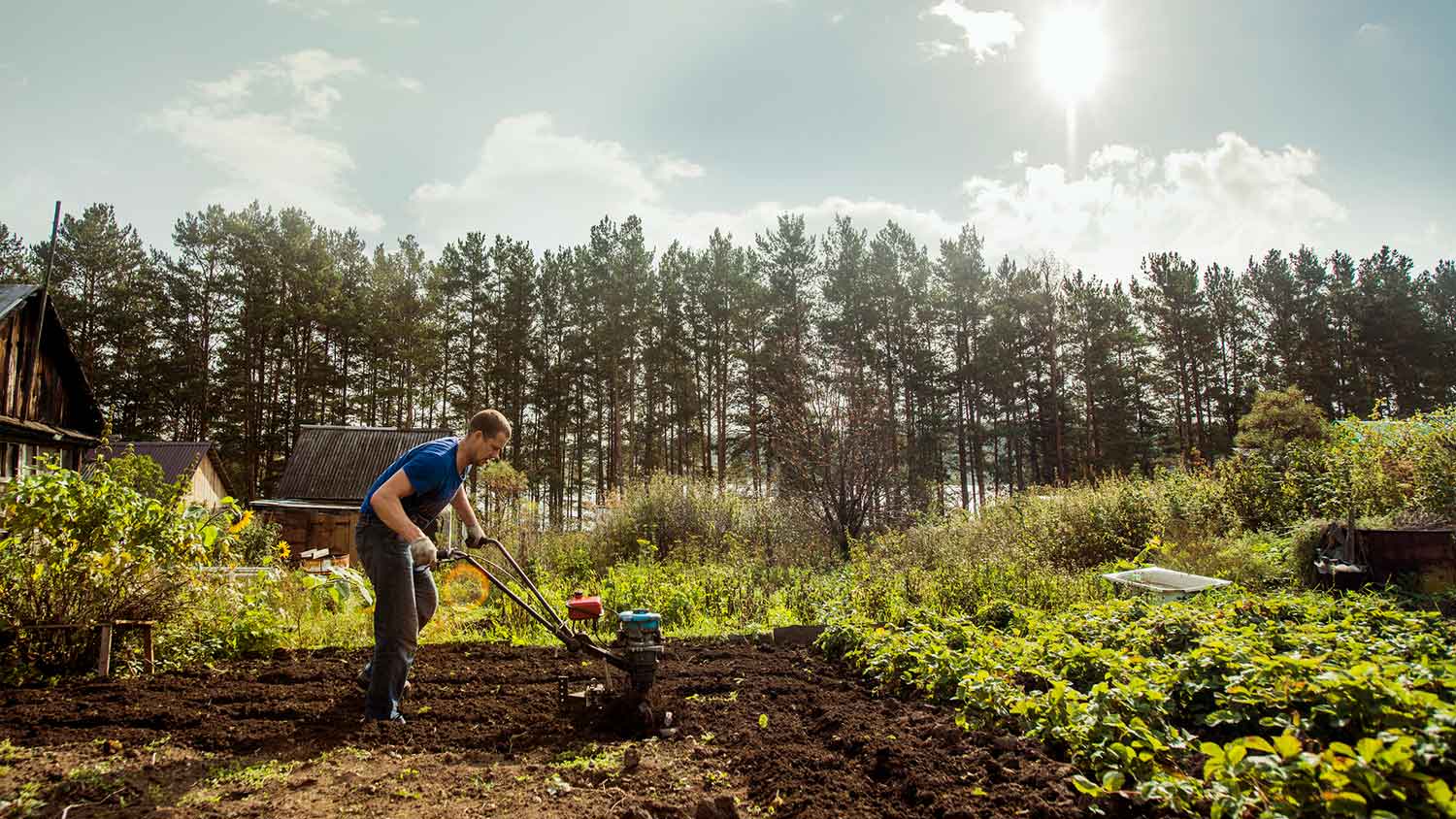
The Terry, MT homeowners’ guide to rototilling services
From average costs to expert advice, get all the answers you need to get your job done.
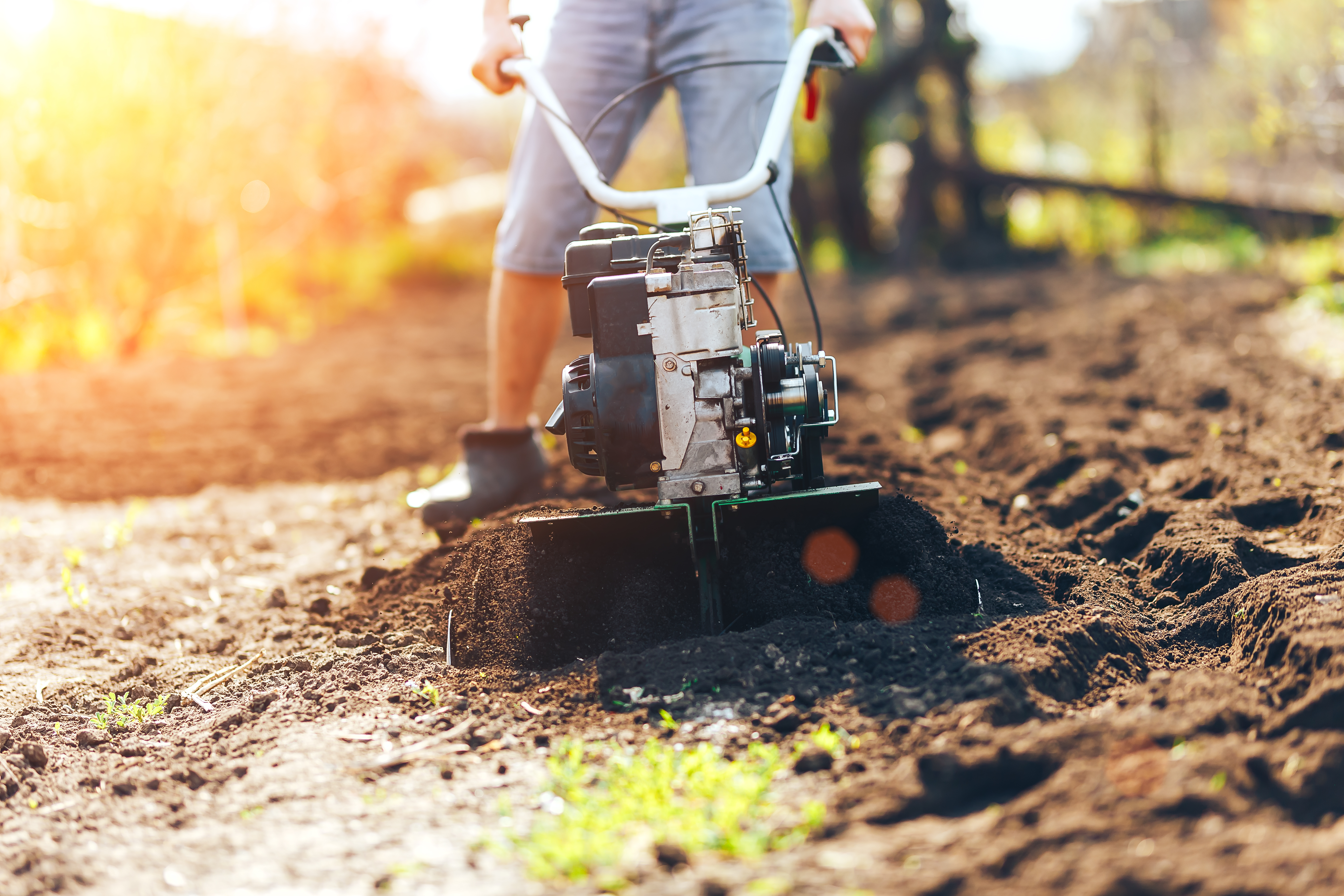
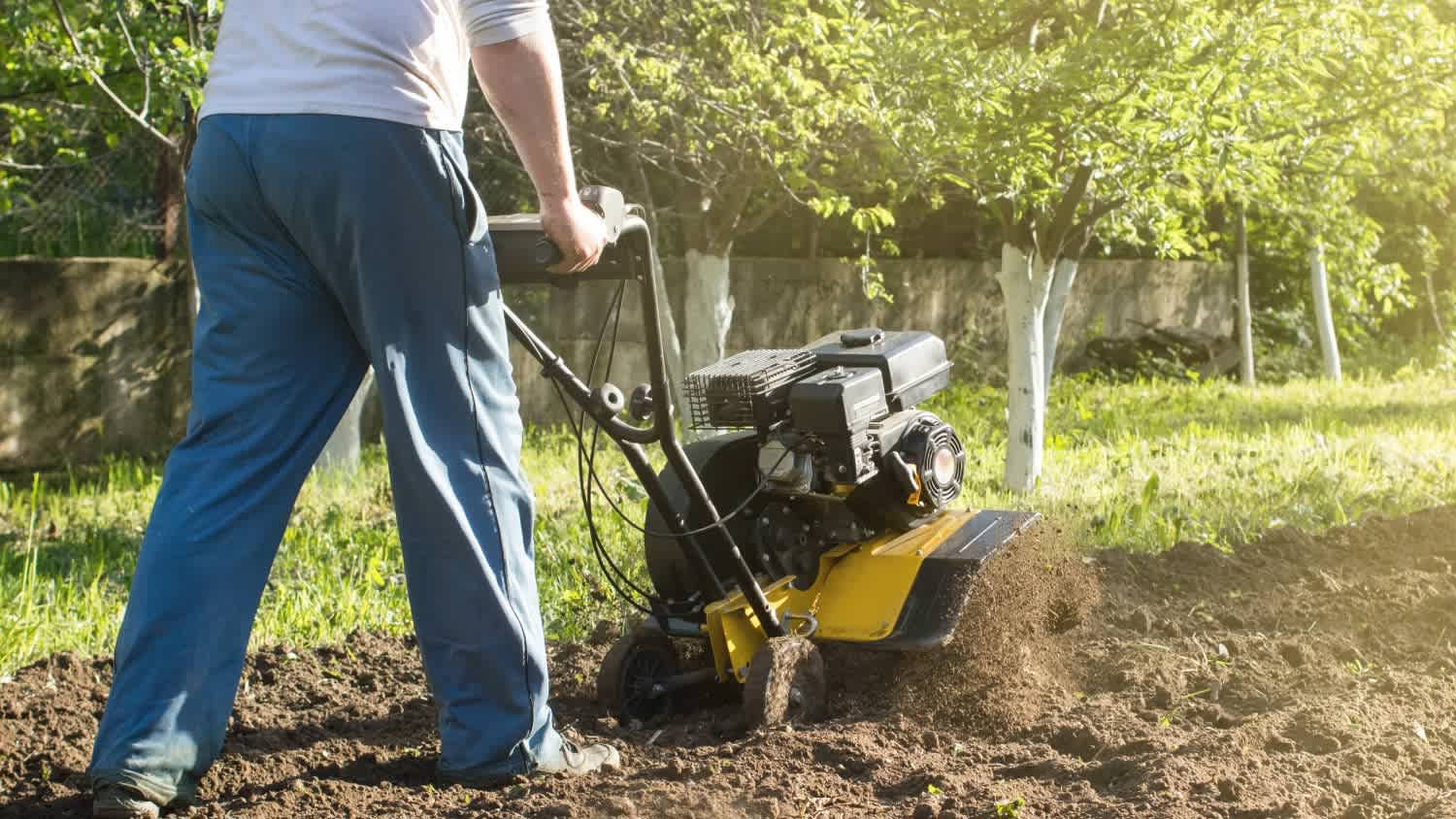
Learn about a powerful piece of gardening machinery—the rototiller—and how it prepares your soil for planting, turns and breaks up soil, and works in compost.
Knowing when to till your garden can be the difference between a healthy garden and one that won’t thrive. Here’s what to know about soil and tilling your garden bed.
What is a garden tiller? Tilling is crucial for a healthy, aerated soil structure, but what exactly are tillers and how and when do you use one? Keep reading!