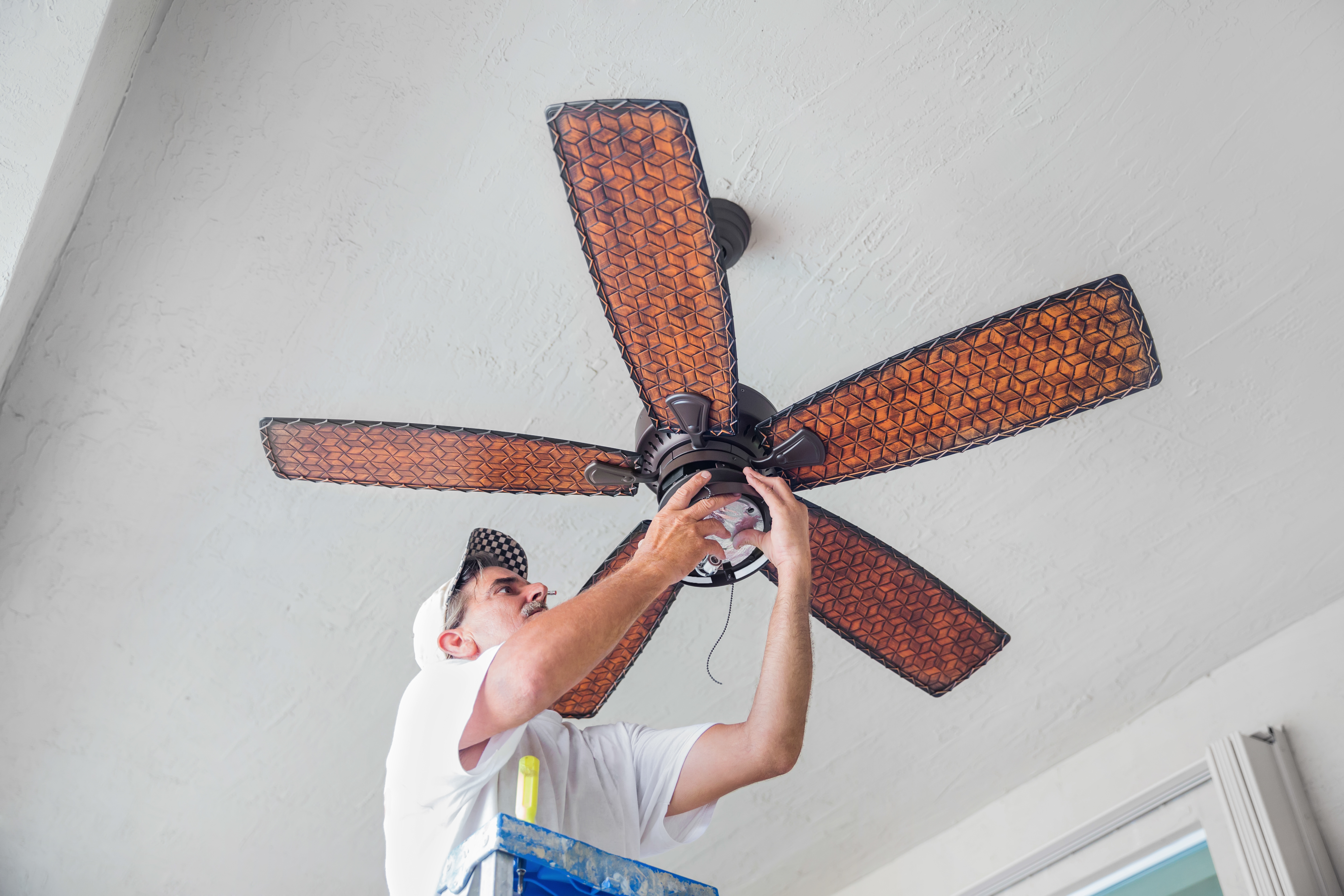
"Dishwasher and ceiling fan service was wonderful. Garbage disposal is on its way, the shower fixture was a little messy and have to return 3 times to fix, pray its the last time. But not Choice Warranty's fault. Alittle pricey but allows you to pay them out."
"I love American Shield. I love American Shield. I love them. We have 2 homes; this home is 30 years old, our home in California is twenty years old and we have used them in both places. A, number 1, plus, plus!"
With years of experience in the industry, we are the experts you need to take care of your home or business. We specialize in electrical work but also handle everything from repair work to full on remodeling and addition work. We will treat your home as we would treat our own. Give Action Now Electric, LLC, a call today, we look forward to working with you!
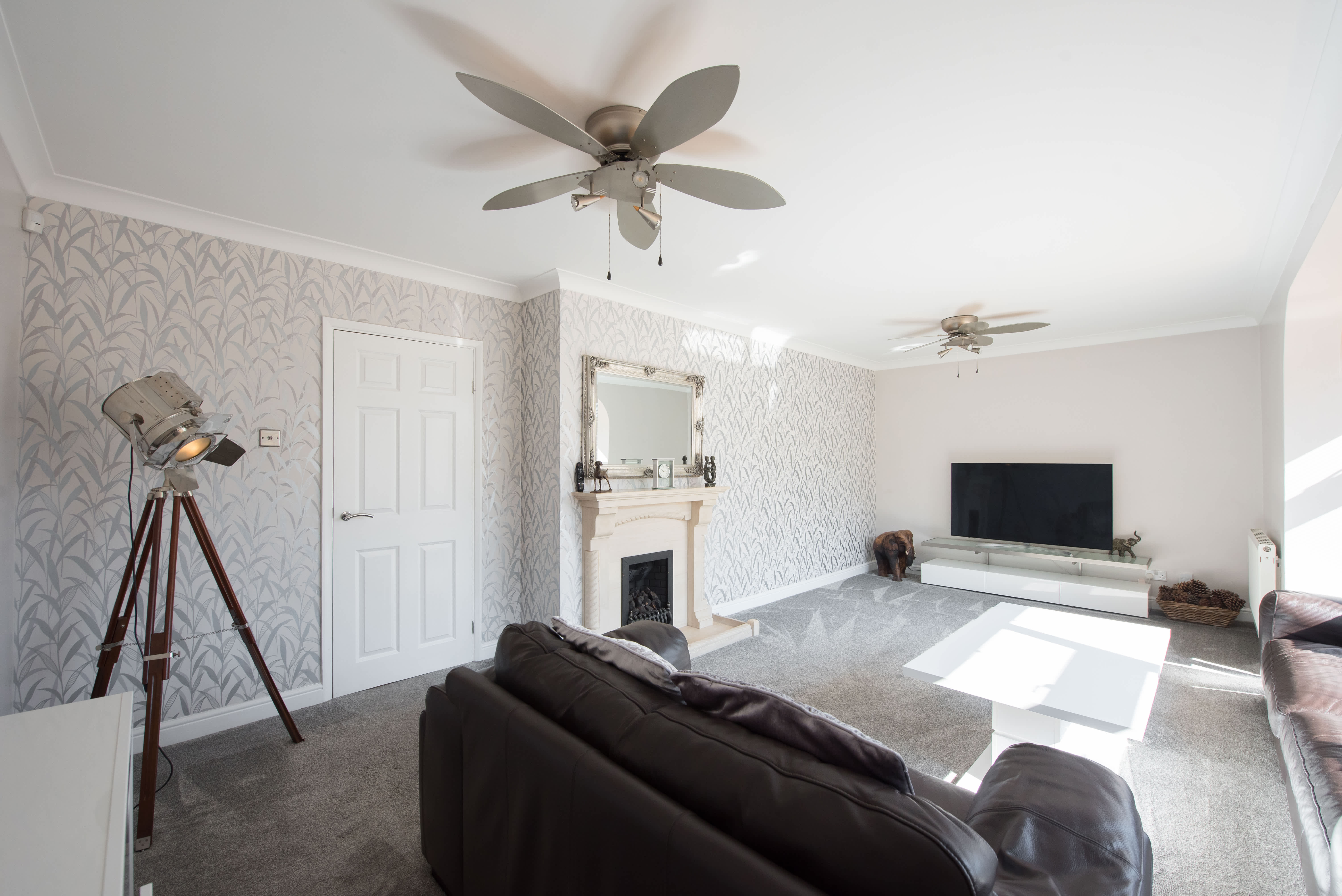
The number of blades for your fan poses both advantages and disadvantages. Typically, the more blades on a fan, the better the air distribution and cooling effect, but this also means that your fan will have more wear on its motor. For small rooms, three-blade fans should work fine. For larger areas like living rooms, four or five-blade fans might be the better option.
Many ceiling fan mounts feature a design that can accommodate slight slopes by using a ball joint mechanism at the end of the downrod. If your ceiling has a steeper slope than your fan allows for, you can install a downrod that will allow your fan to safely hang below the slope.
The most efficient ceiling fan height is 8 to 9 feet from the floor to the fan blades. For ceilings higher than 9 feet, a downrod can be used to lower the fan to the optimal height. This positioning ensures adequate air circulation and maximizes the cooling effect. Remember, fans should be installed at least 7 feet above the floor for safety.
Though possible, installing a ceiling fan yourself requires electrical knowledge and confidence working with home wiring. Following the manufacturer's instructions carefully and observing safety precautions are crucial components of a DIY installation.
The direction you want your ceiling fan to move in depends on the season you’re in. During summer, you want it to move counterclockwise to produce a cooling downdraft. During winter, you want it to move clockwise to circulate warm air throughout the room.
The Terry, MT homeowners’ guide to ceiling fan services
From average costs to expert advice, get all the answers you need to get your job done.
Discover the cost to install a ceiling fan, including labor, materials, and tips to save. Learn what impacts your price and how to budget for your project.
Ceiling fans cool down your home while stylishly accenting your space. With a variety of types of ceiling fan on the market to choose from, you can’t go wrong.
Although the risk is low, there are a few telltale signs that a ceiling fan will fall off your ceiling. This guide explains when to worry (and when not to).
With the right size, ceiling fans are an energy-efficient way to cool a room. Use this ceiling fan size guide to find the perfect model for your space.