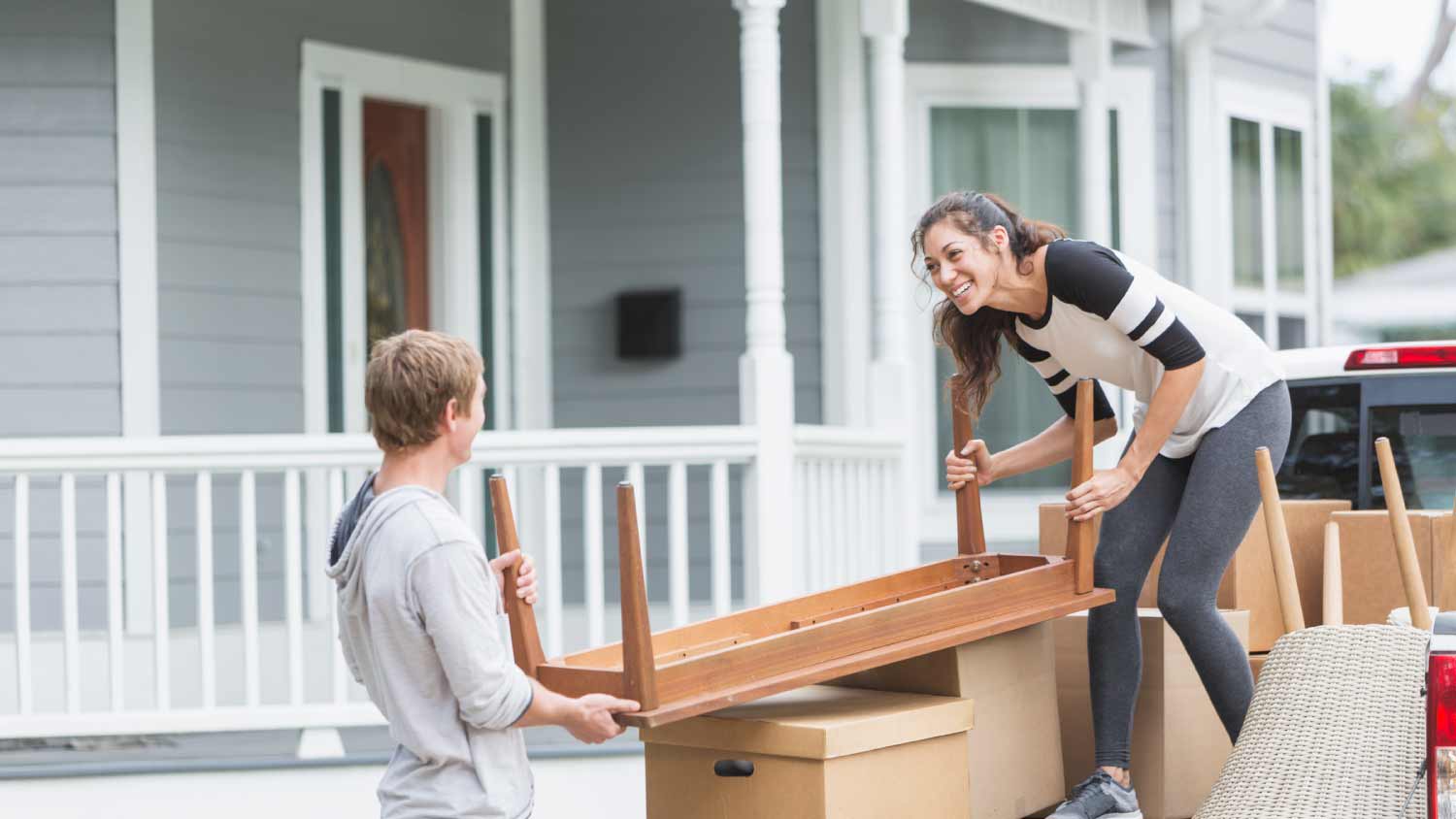
"Miller and his colleagues were able to do a lot of things quickly. Along with everything else, they also grabbed some old furniture that I needed help moving to the curb. They took several cares to make sure nothing was damaged during the move, including wrapping the furniture, turning off all the lights, and packaging the picture frames."
Moving can be super stressful! Let Rogers Moves ease your mind. We are professional, courteous, and fair priced. We will always handle your home goods, and belongings with care. Don't look any further we are the choice in Great Falls to take care of you.
While tipping junk haulers is not required or expected, it is a greatly appreciated gesture for a job well done. Many junk removal companies state that tips are welcome but not mandatory. A good rule of thumb is to tip between 10% and 20% of the total bill, or a flat amount of $10 to $20 per worker. For exceptional service, a tip of $20 to $50 for the entire crew is also appropriate. It is often best to give cash directly to each worker at the end of the job.
Consider tipping if the crew:
Goes above and beyond your expectations.
Handles heavy, bulky items or navigates difficult spaces like tight hallways or stairs.
Works in inclement weather or deals with potentially hazardous materials.
Takes extra care to protect your home and property.
Accommodates a last-minute scheduling change.
Many recycling centers will not recycle Styrofoam because it is very difficult to return to its base form. Additionally, many recycling facilities do not have the proper equipment to compact or densify recycled polystyrene foam into new foam blocks. Ultimately, the entire process for recycling polystyrene foam is expensive and takes a lot of time.
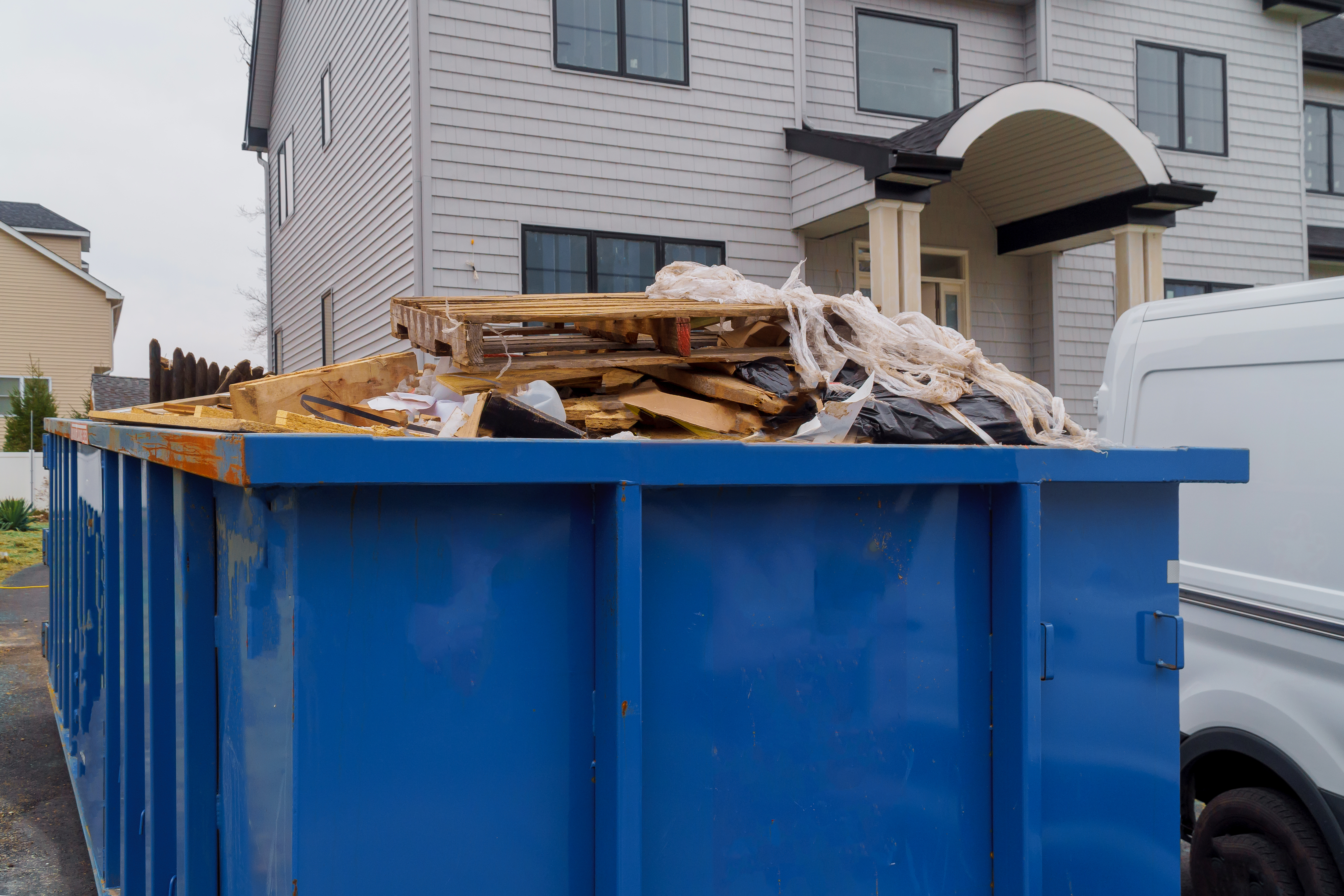
Yes, a roll-off dumpster makes it easier to dispose of waste in an environmentally friendly way. It lets you reduce the amount of waste that makes its way to landfills.
In some areas, tipping garbage and recycling workers around the holidays is a kind and common practice. Tipping between $20 and $50 once a year is a kind gesture for a team you've gotten to know or who does an exemplary job. While tipping junk haulers and waste management pros is not expected, it is a great way to show your appreciation.
Professionals safely remove water or fuel tanks by emptying the contents, cutting and disconnecting lines, and lifting the tank for disposal while adhering to environmental regulations.
The Savage, MT homeowners’ guide to hauling services
From average costs to expert advice, get all the answers you need to get your job done.
Junk removal costs depend on the volume and type of waste you need removed, but paying a professional saves you time and energy over hauling it yourself.
From that old gas grill to piles of torn-up linoleum, you may be wondering, "Who can haul my junk away?" Here's who to call when your junk is piling up.
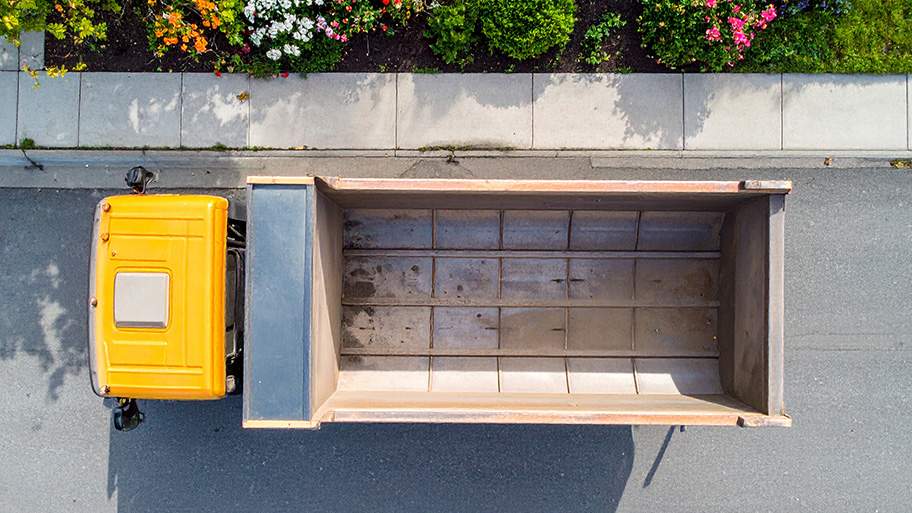
Need a dump truck for your project but not sure how big it should be? Use this guide on dump truck sizes and sizing to get the right size for your needs.