"The guys did an excellent job in my opinion. They had to do some excavating to get down to the pipe. The complete pipe was replaced, not patched in. The septic tanked was pumped out, inspected, and an access cover was installed above the ground for future cleaning. The guy did everything to the tee that he told me he was going to do before he started. He completed the job in one day like he said he would, and he put back all the landscaping back exactly how it was to begin with. I would have Western Septic come back in a heartbeat and do any repairs that I have in the future. Super nice guy, friendly, and was very reasonably priced for all the work he performed for me. 100% satisfied, that's for sure."
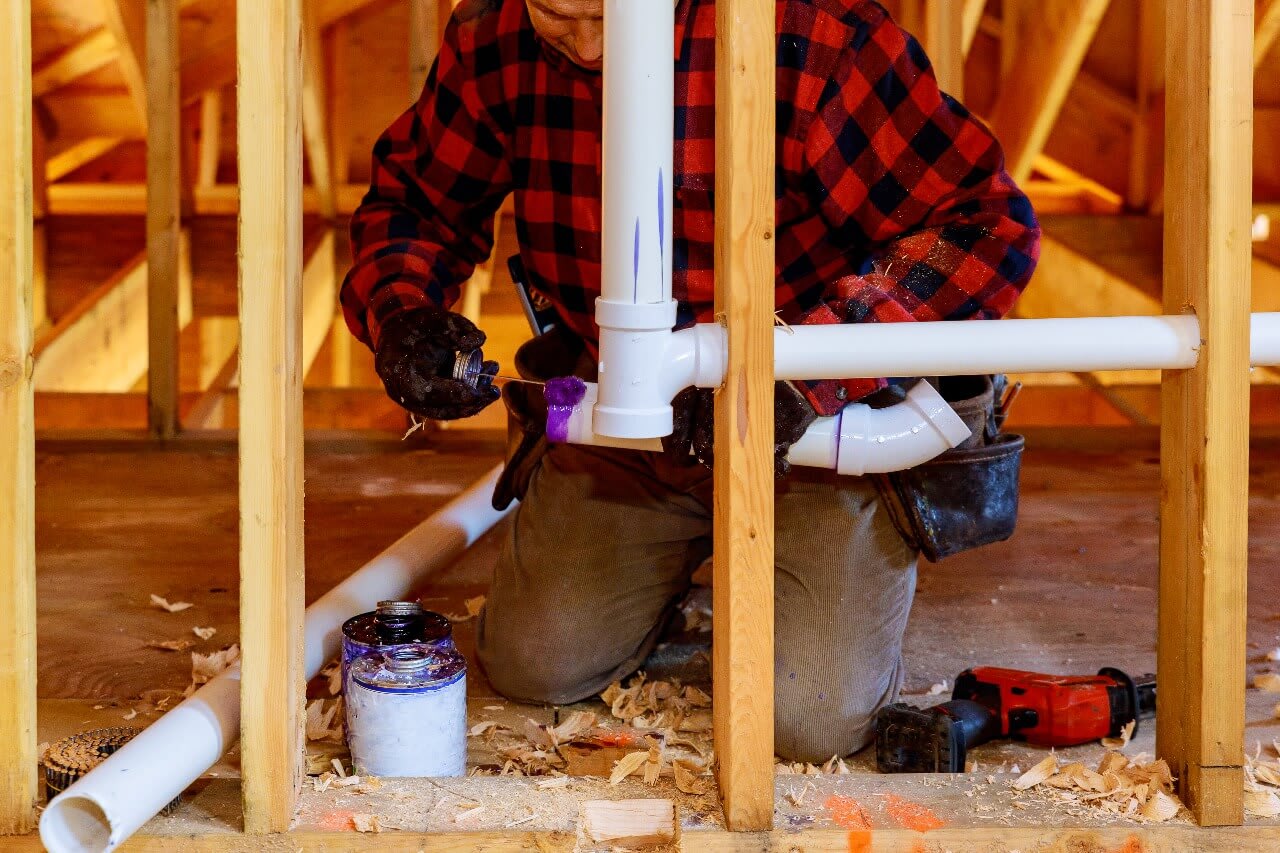
Rob Heavilin of Quality Plumbing Services, PLLC can help you with all of your plumbing needs, from simple clogs to new tubs and showers to water mains. All with friendly professional service.
Your home has a few telltale signs of a sewer line problem. If you notice multiple plumbing fixtures (toilet, sink, or shower drains) appear to be clogged, call a plumber ASAP. Also, if water appears in the tub or shower when you flush the toilet, you likely have a sewer line issue. A sulfur (rotten eggs) smell and bubbling or gurgling noises at the drain also warrant a check. And keep your eyes peeled for changes to the yard, such as a new indentation or mysteriously soggy grass.
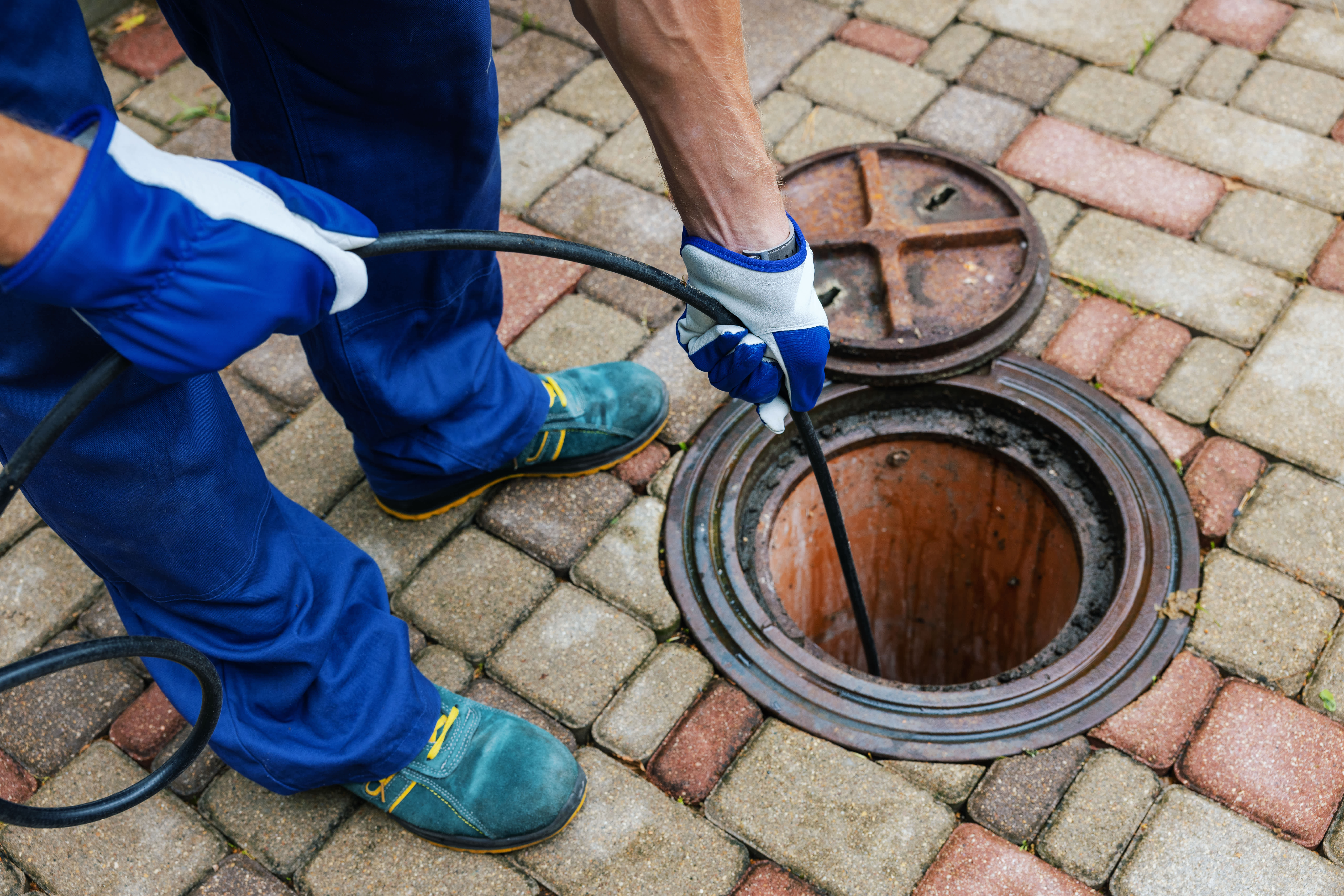
If methods like hot water or a plunger don’t work on your clogged drain, you can snake your drain to dislodge the plug. This can be a messy process, taking some physical effort and additional time over the other drain-clearing options. You can purchase a drain snake at a hardware store and choose from handheld options or those attached to a drill. Just work slowly, and be ready to call a plumber if you’re unable to reach the clog from your drain or P-trap.
Thankfully, it’s pretty rare to find a rat in your toilet. It’s more likely in larger cities with big sewer systems that can be feeding grounds for rats, but even then, you still shouldn’t fret.
“I wouldn’t worry too much about rats coming up through the sewers,” Bradshaw says. “I’d say only one out of a thousand rodent customers we get actually have this problem. And of the 20 or some customers that have had this happen, they’ve all only had just one rat come up this way.”
Unlike regular cleanings, snaking your sewer line should be done as needed. There’s no reason to snake your sewer line if you don’t have any noticeable issues, like slow drainage or plugged drains. You can add it to your regular sewer cleaning checklist as a prevention method (on the same 18- to 22-month schedule), but it’s not always necessary.
You could be smelling sewer gas in your kitchen because of a dry P-trap, clogged vent pipe, or leaking plumbing seals. If you smell a rotten egg odor, check your sink’s P-trap and plumbing connections first. A clogged or damaged vent pipe can trap sewer gas and push it back into your kitchen through the plumbing pipes. Loose or deteriorated seals around drainpipes can also allow sewer gas to leak out. If you can’t find the source, call a local plumber for expert help.
The Ledger, MT homeowners’ guide to sewer cleaning services
From average costs to expert advice, get all the answers you need to get your job done.
A clogged main sewer line can lead to gas or wastewater leaks. Find out what main sewer line clog repair costs by type of service, clog severity, and more.
The best way to keep your sewer line running smoothly is with some regular maintenance. But don’t worry—it doesn’t take much effort. Read on to learn how.