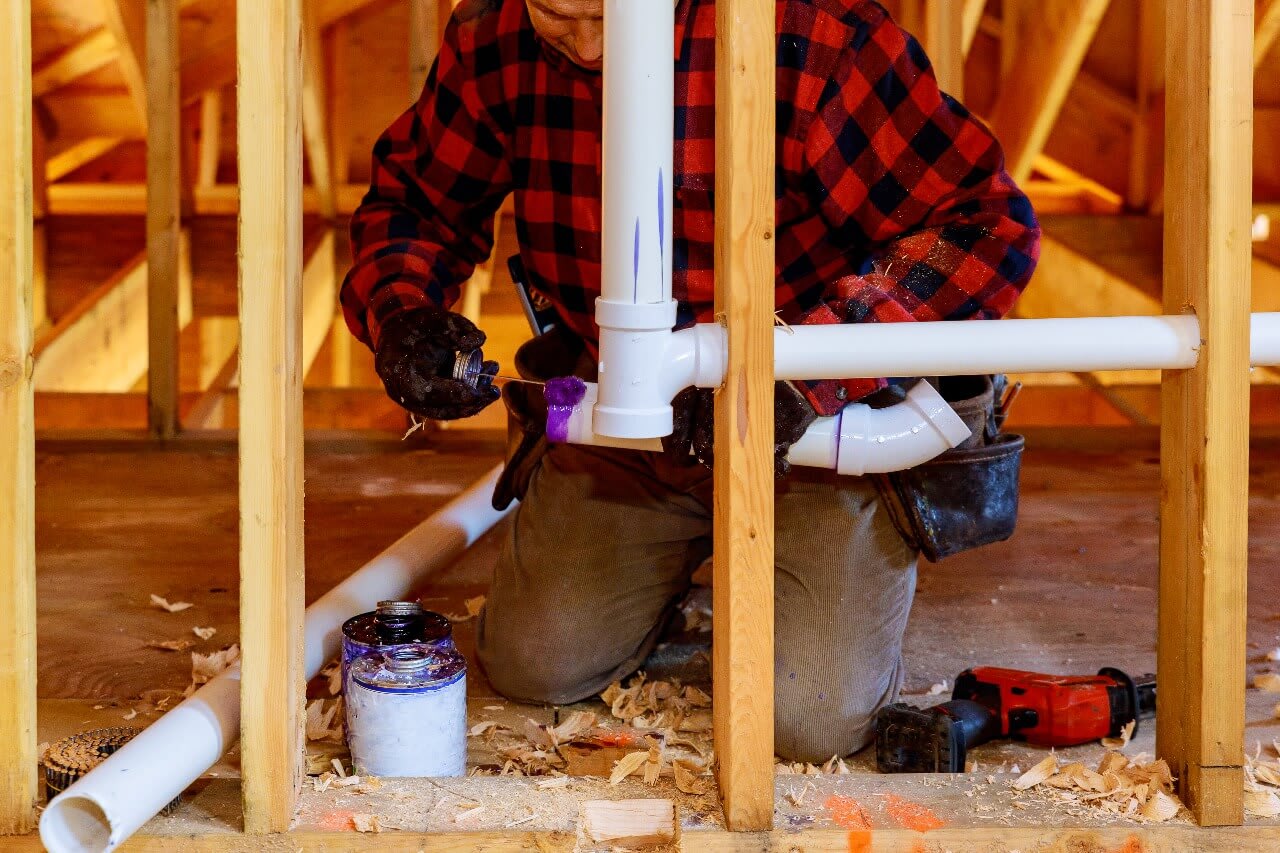
Rob Heavilin of Quality Plumbing Services, PLLC can help you with all of your plumbing needs, from simple clogs to new tubs and showers to water mains. All with friendly professional service.
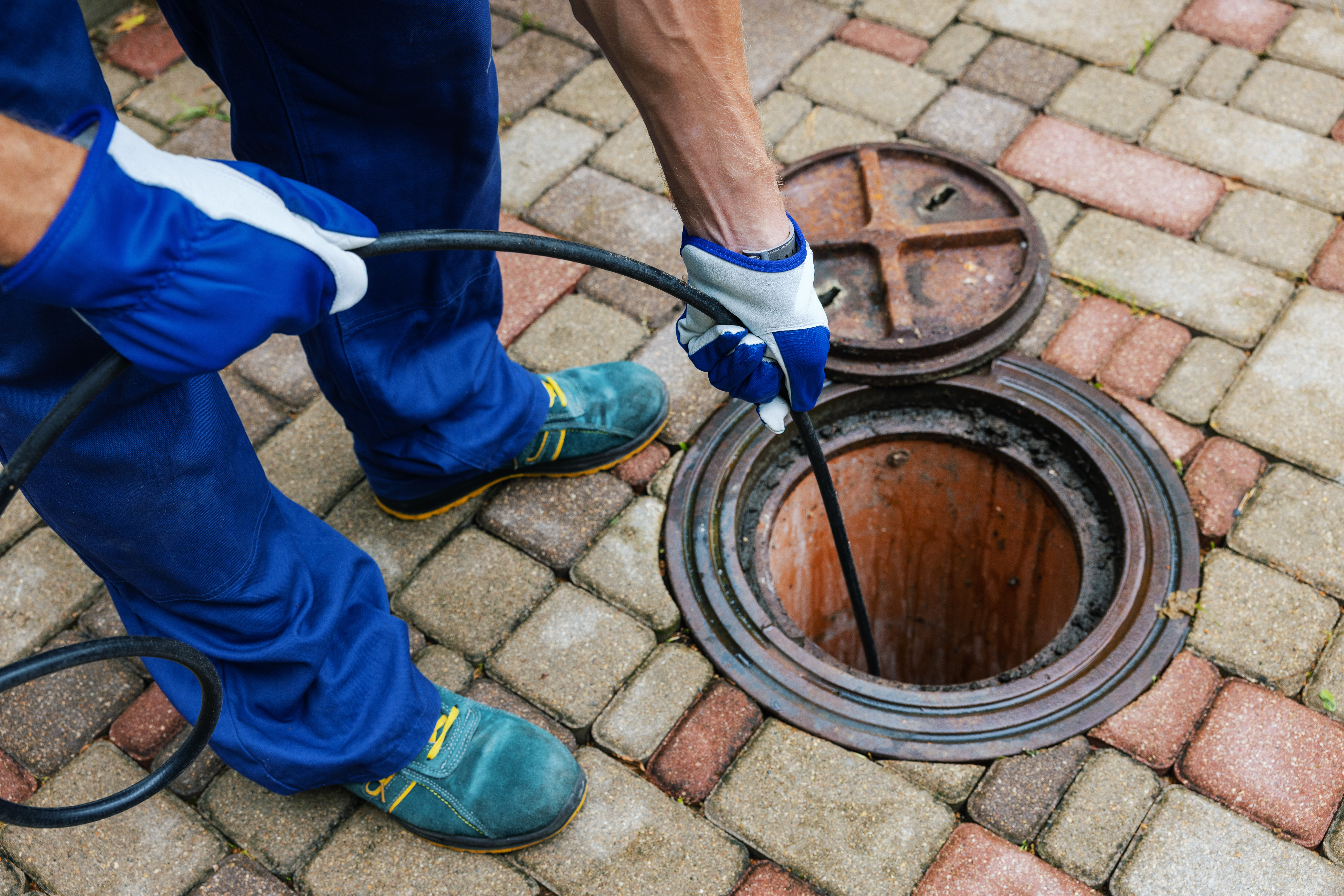
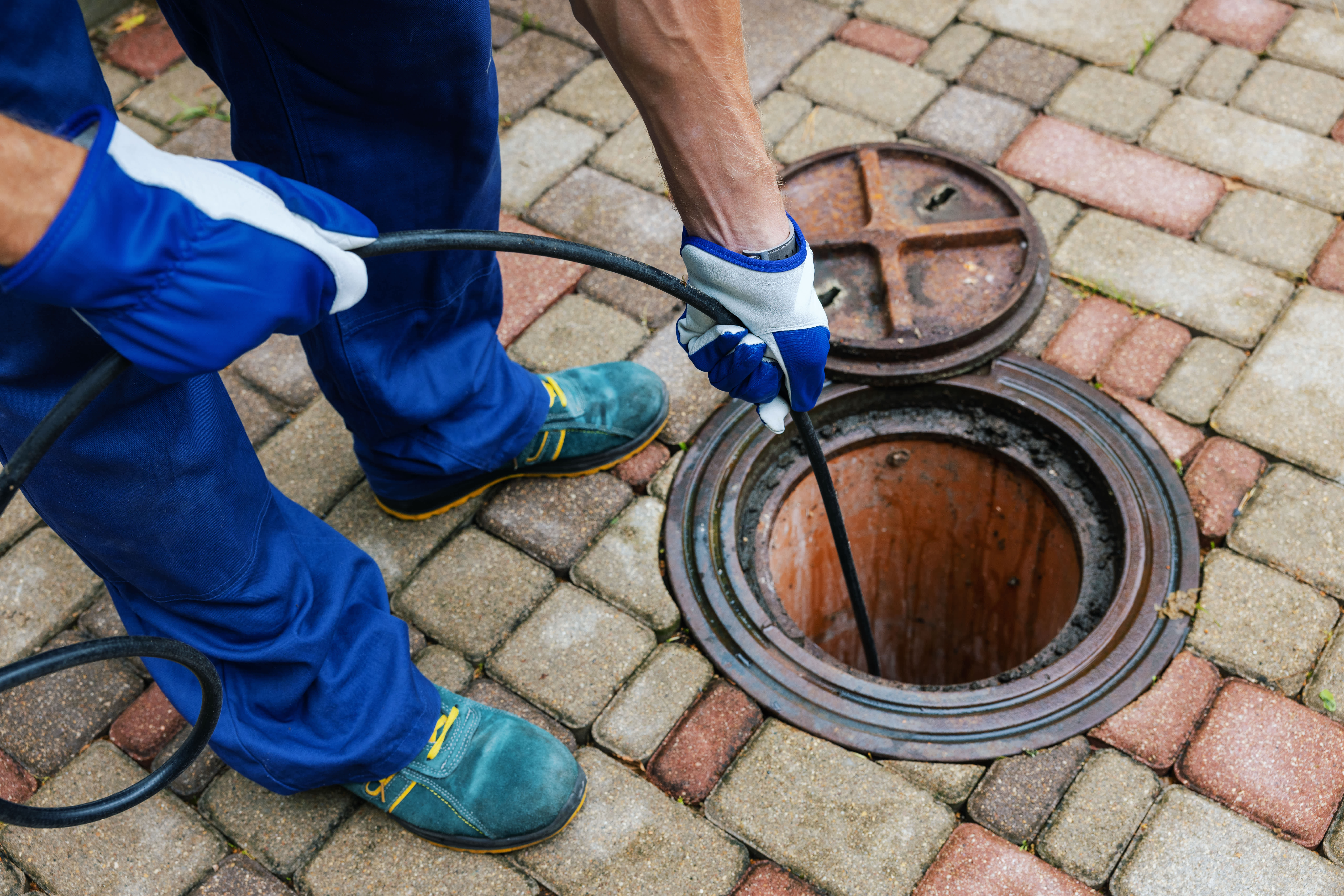
Simple blockages can be cleared using household plungers or manual snakes, provided no severe plumbing issues exist.
Water leaking through your basement floor is a good sign of a clogged drain, but another sign of a clogged basement floor drain can include unpleasant odors coming from the drain. Also, hearing gurgling noises when water drains from the basement or having other plumbing fixtures (like toilets or other drains) backing up is a good indicator.
One way to save money on sewer lines is to install a sewer cleanout since it makes sewer line maintenance easier. Keeping up with maintenance is key to reducing the cost of repairs, so be sure to schedule annual plumbing inspections, install drain guards to stop objects from accidentally falling down drains, and only flush human waste and toilet paper to protect your pipes.
It is safe to flush small amounts of bleach down the toilet. Don’t flush more than ¼ cup of bleach. Instead, consider diluting it and pouring it down the sink drain.
Toilet paper is the only material that you should flush down toilets. Other items like wipes, paper towels, feminine hygiene products, dental floss, and medications should be disposed of in the trash. Flushing these items can lead to plumbing issues and damage to sewage systems. Grease and cooking oils should also be avoided as they can solidify in pipes, causing blockages. Proper disposal helps prevent clogs and ensures the efficient operation of wastewater treatment systems while protecting the environment.
The Sunburst, MT homeowners’ guide to sewer cleaning services
From average costs to expert advice, get all the answers you need to get your job done.
A clogged main sewer line can lead to gas or wastewater leaks. Find out what main sewer line clog repair costs by type of service, clog severity, and more.
The best way to keep your sewer line running smoothly is with some regular maintenance. But don’t worry—it doesn’t take much effort. Read on to learn how.