At Kingdom Craftsman LLC, we are committed to delivering exceptional services in Havre, MT. Founded in 2017 by Charles, whose childhood on a farm instilled a strong work ethic and attention to detail, our company is dedicated to offering expert handyman, janitorial, lawn maintenance, appliance repair, and apartment maintenance services. With Charles’ background in History and diverse work experience, we’ve cultivated a culture of craftsmanship and precision. We take pride in providing services that enhance the quality of life in every home and business, making us a trusted name in Havre.\n\n
We have over 20 years of experience in home repair and renovations. Customers come first, with quality and efficient work. When it comes to remodeling, deck building, and all other home repairs, Beartracks Construction, LLC, are the contractors you need. Give us a call today!
We take great pride in our experience, expertise, quality , and customer service that we provide to meet the consumer's needs. It is our mission to provide excellent workmanship and complete customer satisfaction from start to completion of a project. In order to understand the needs and expectations of our customers, we take great care to work and communicate with every customer in a professional manner. Our reputation is based on service, safety, and quality, regardless of how large or small the job.
Appliances typically connected to a gas line include gas stoves, water heaters, furnaces, and gas fireplaces. Essentially, any appliance in your home that uses gas needs to be connected to a gas line, which connects your home with the main gas line owned and operated by your gas company.
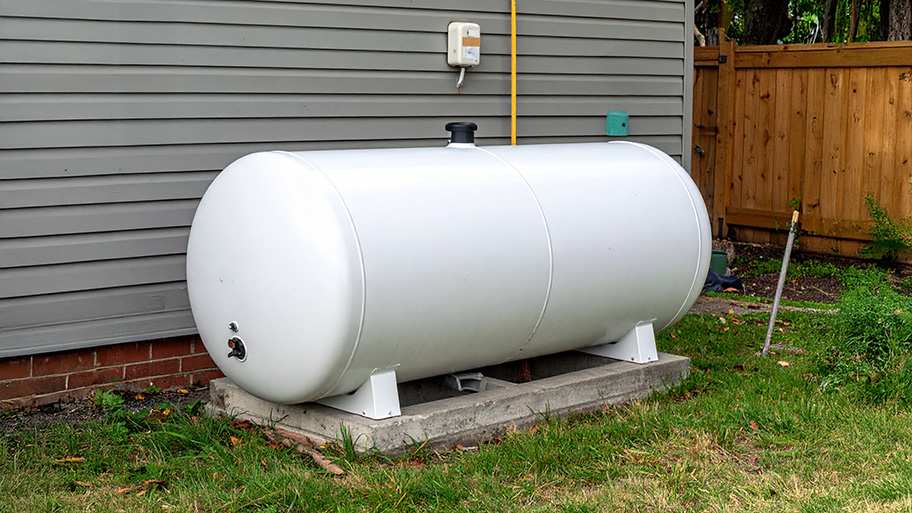
Propane sales companies typically offer propane delivery, tank installation and maintenance, grilling refills, and emergency support for supply interruptions.
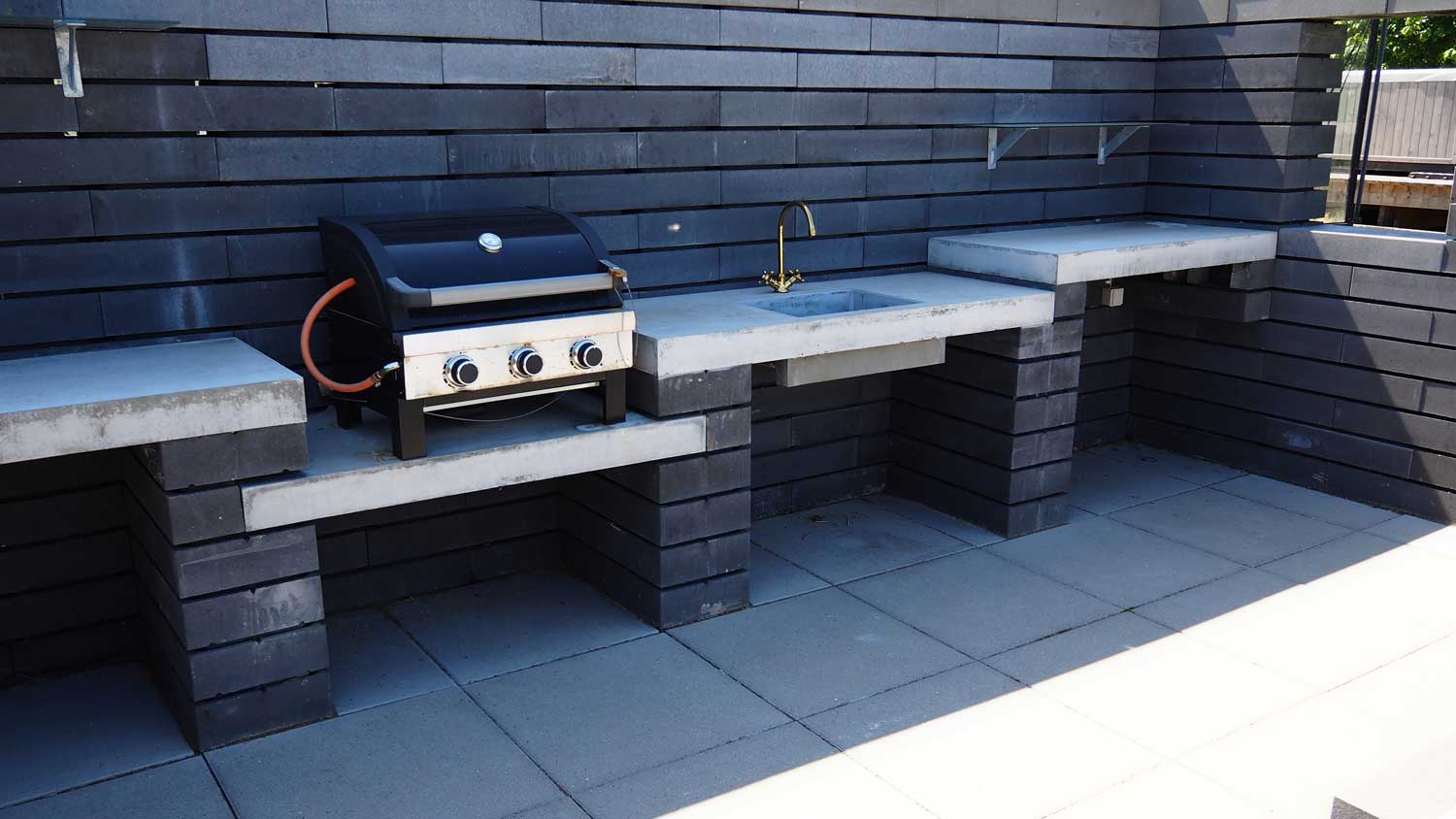
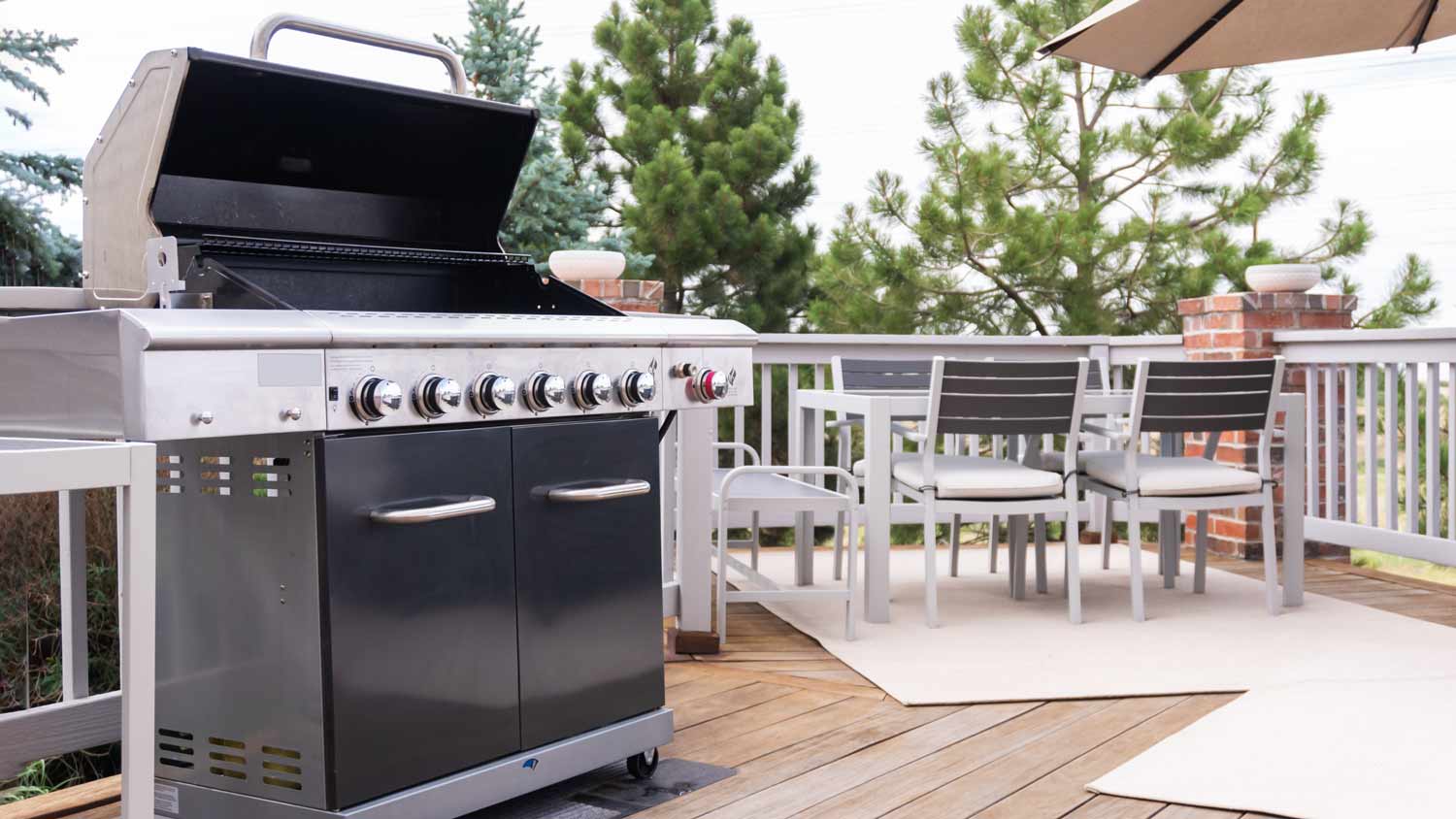
Built-in gas grills typically have a life span of 10 to 15 years. However, their longevity can vary based on quality, usage frequency, climate conditions, and maintenance routines. High-quality models made from durable materials tend to last longer. Additionally, regular cleaning, covering the grill when not in use, and conducting routine maintenance tasks such as cleaning burners and replacing worn-out parts can extend its life. A well-maintained built-in gas grill can provide excellent performance and memorable cooking experiences for a decade or more, making it a worthwhile investment for outdoor cooking enthusiasts.
Local codes often mandate specific fittings, permits, and vent considerations for permitted function and safety, which are enforced by professionals.
Yes, professional services typically include venting, gas line installation, and necessary permits.
The Harlem, MT homeowners’ guide to grill assembly services
From average costs to expert advice, get all the answers you need to get your job done.
Planning a new outdoor cooking space? Learn everything you need to know about gas grill installation costs, setup options, and how to hire a local pro.
Don’t leave your grill behind when moving house. Learn how to move a grill safely so you can enjoy a home-cooked meal on your first night in your new place.