




Appliances typically connected to a gas line include gas stoves, water heaters, furnaces, and gas fireplaces. Essentially, any appliance in your home that uses gas needs to be connected to a gas line, which connects your home with the main gas line owned and operated by your gas company.
While it’s possible to repair minor grill issues like replacing a burner, more serious issues are clear indicators that you need to replace the entire unit. A few signs that your gas grill may be at the end of its life span and it’s time to consider replacing it include:
Rusty or cracked firebox
Weak, yellow, or uneven flames
Flaking, cracking grates
Leaking or cracked propane hoses
Failing igniter
Heavy buildup of grease
Yes, you can lay a gas grill flat during transportation. Laying it flat can help prevent it from moving around the truck during the journey. It’s still advisable to secure the grill with bungee cords, just in case.
No. Placing a built-in grill against the house is discouraged due to safety concerns. Building codes and regulations often require a minimum distance (typically 10 feet or more) between a gas grill and any combustible structure, including a house. Placing a grill too close poses a fire hazard and risks damage to the siding or structure, potentially leading to carbon monoxide buildup. It's essential to consult local building codes, follow manufacturer guidelines, and prioritize safety by positioning the grill at a safe distance, ideally in a well-ventilated outdoor kitchen or designated grill area.
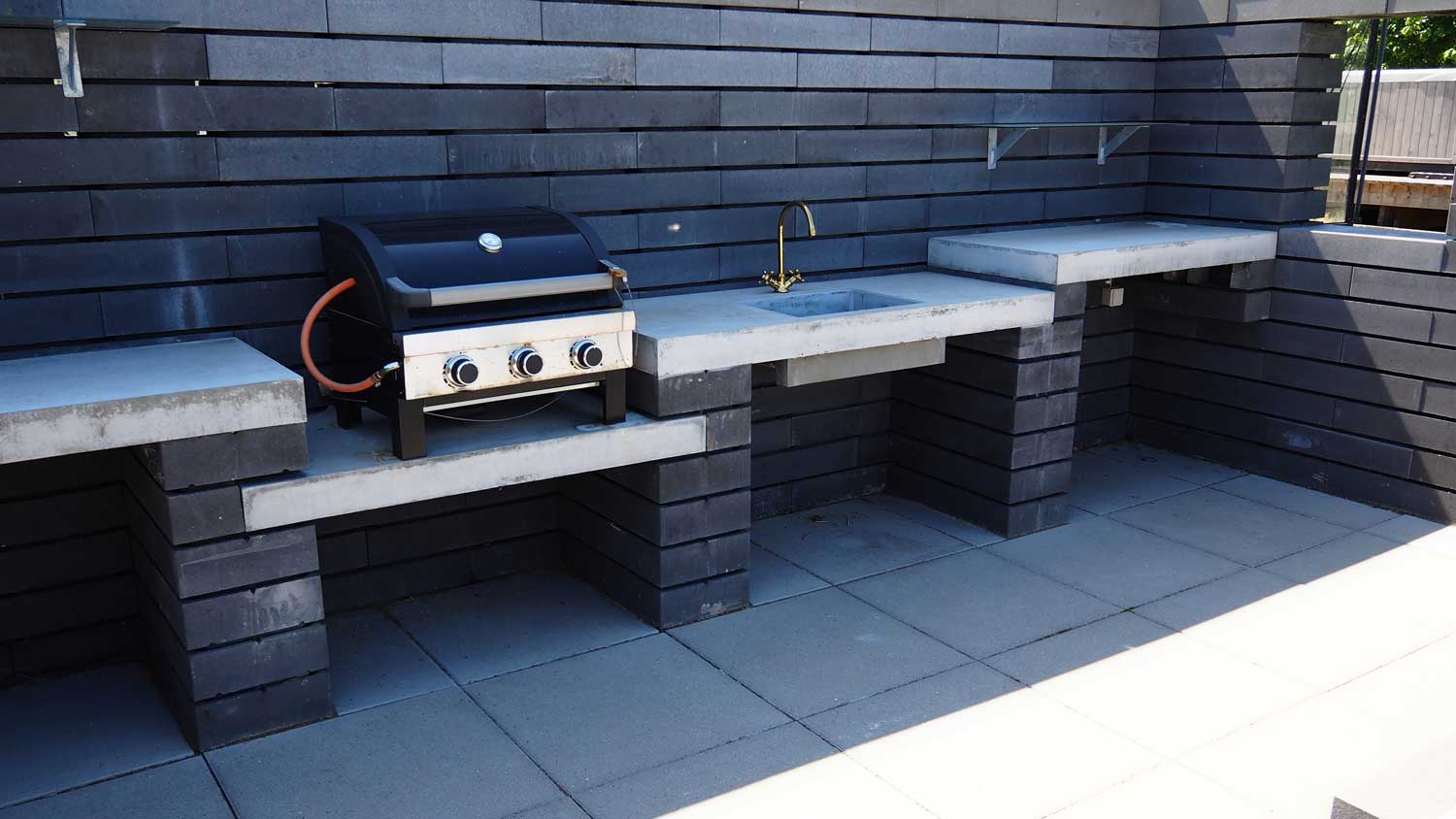
The difference between a built-in and regular grill is installation and design. A built-in grill is integrated into an outdoor kitchen or structure, often within a countertop or island. It is a permanent fixture. A regular grill is standalone, portable, or cart-mounted, allowing mobility and versatility in placement. Built-in grills are typically larger with more cooking space, while regular grills come in various sizes. Built-in grills are favored for creating a custom outdoor cooking area, while regular grills provide convenience and flexibility.
The Glasgow, MT homeowners’ guide to grill assembly services
From average costs to expert advice, get all the answers you need to get your job done.
Cleaning the grill after winter is an essential step before barbecuing. Learn how to get rid of rusty grill grates, old grease in your drip pan, and help stainless steel shine.
Don’t leave your grill behind when moving house. Learn how to move a grill safely so you can enjoy a home-cooked meal on your first night in your new place.