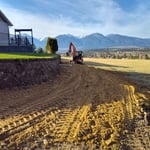
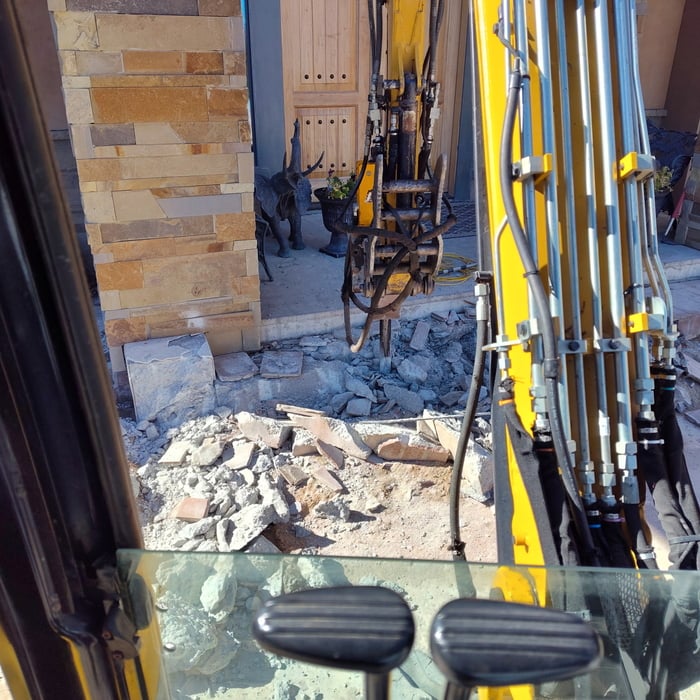
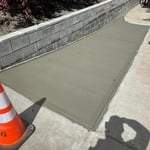
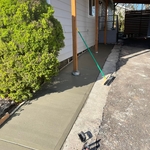
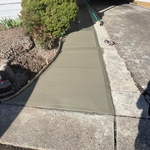
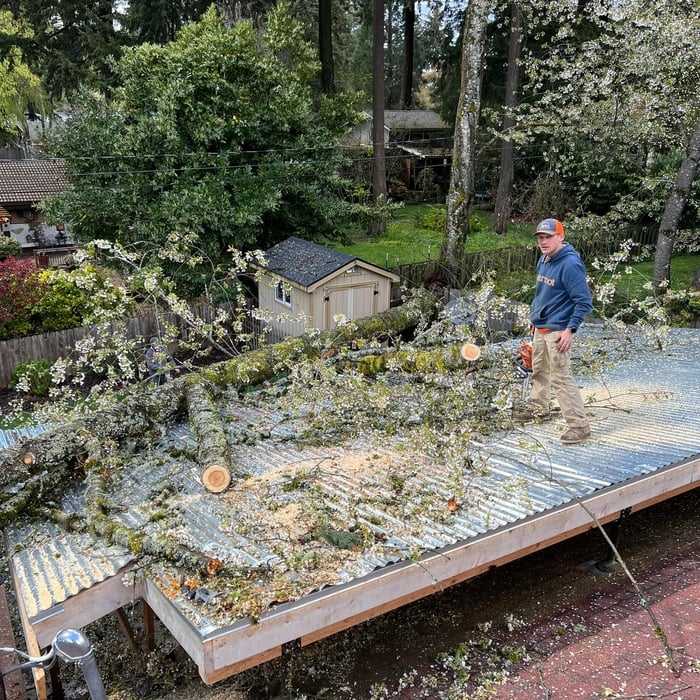
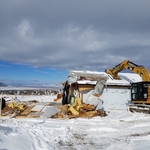
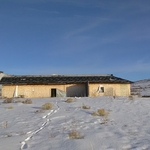
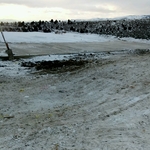
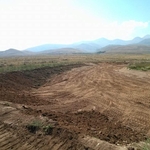
We invite you to experience a tradition of customer satisfaction that will exceed your greatest expectations. Our professionalism and quality workmanship will accurately reflect your taste and lifestyle. From conception to completion, we work with you until the job is done. We are ethical, honest, and easy to communicate with.
\n
\n
\n
\nCall us today you'll be pleased you did. Thank you
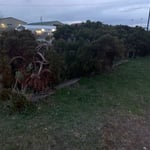
"Jason is amazing at what he does. He helped completely clear out a large portion of our backyard of debris, overgrown weeds, and mountains of leftover fill material and leveled it all out to make way for new landscaping. He also framed in a rock border for the finishing touch. He was professional, efficient, and very reasonably priced. I would highly recommend him for any landscaping projects!"
"We recently worked with Flathead Excavation and couldn't be happier with the experience. From start to finish, their communication was outstanding—they kept us informed every step of the way, answering all of our questions promptly and clearly. The quality of their work was exceptional, and they went above and beyond to ensure everything was done to the highest standard. Their team demonstrated incredible professionalism, attention to detail, and a genuine commitment to delivering results that exceeded our expectations. If you're looking for a reliable, hardworking excavation company that truly cares about its clients and the work they provide, I highly recommend Flathead Excavation. A top-notch team that you can trust!"
"They did exactly what they said. On time for the work, excellent quality. I had to travel across the country to be here and they met all time commitment s. I would not hesitate to use them again."
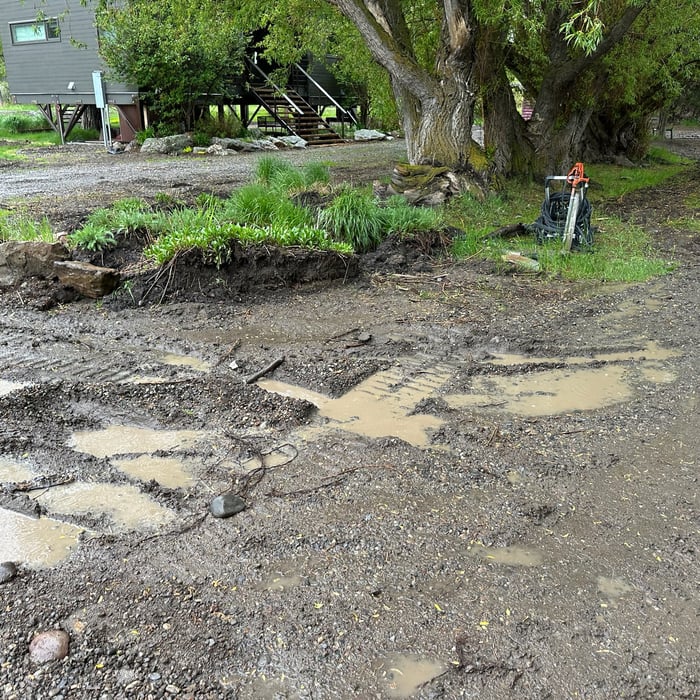
To locate an underground downspout, you should start by identifying where the above ground gutter drains. Look for an entry point, such as a pipe or elbow leading into the ground. Follow the surface path for signs like depressions, landscaping disruptions, or wet areas after rain. You can use a metal detector or plumber’s snake to trace the pipe underground. For deeper pipes, a professional locator tool or camera inspection may be necessary. Visual markers or utility maps can also guide the search.
Yes, you can excavate in the winter, but it might make the job harder. Frozen ground is harder to dig, and snow or ice can make the work site more hazardous. A contractor may need special equipment and techniques, such as ground-thawing methods, to break through frozen soil. Although winter excavation is possible, it may take longer and be more costly than excavating during warmer months.
Above ground pools are not buried in the ground. Typically, above ground pools are semi-permanent. One reason they’re more affordable is that you don’t have to dig for an inground pool and pour concrete or another material. However, you can choose to install a semi inground pool, which is a hybrid between the two.
While you can save some money by digging your own pool, you may end up paying more in construction equipment rental fees in the long run. You could, however, focus your DIY energies on lowering the cost of leveling your lawn for your pool or filling in surrounding landscaping after construction.
After you successfully remove your boulder, you have a few options for what to do to get rid of it. You can rent a dumpster if your yard has many boulders or if you’re planning a larger project. You can even save the boulder and reuse it elsewhere on your property to save on landscaping costs. A few ideas include using the boulder as a natural, abstract statue, breaking it into smaller pieces to line your garden bed, or offering it to a landscaping company that could reuse it for another project.
The Condon, MT homeowners’ guide to excavation services
From average costs to expert advice, get all the answers you need to get your job done.
Excavation costs $1,500 to $6,300 for most residential projects—but it depends on factors like the size of the area. This guide will help you plan a budget.
You can't have an in-ground pool without digging into the ground. How much does pool excavation cost, and can you take it on yourself? Our guide explains.