"When you need help with a broken machine CHW is who you can trust to get the job done. And should they not be able to fix the machine they will replace it. I've been with them for many years. They've not failed me as of this writing and they won't"
"AHS is ok. They cover repairs of most everything under the roof of your house. The companies that contract with them are not always the best. You call AHS with the issue, they send a fax to the repair company and give you the contact info. If they don't contact you within 24 hours, you call them. Sometimes they answer, sometimes they don't. When they arrive (usually three days or so later), they service the item. if it has issues within the 90 days, you call AHS again, they are sent out with no charge. If the serviceman decides the unit is unrepairable, AHS will allow you to choose a replacement from their listing (usually not as good as what you have) they will install and remove your old item, or give you wholesale amount to buy and install your own. Prices vary on what you want covered and what you want the copay to be, plus where you live. For me it is 49.99 per month with a 75.00 time of service order. You can have more than one item serviced at the same time under the same fee. If you have a SEAR product the repair guys are great. Not that wild about the other ones they send out. But it is a big savings compared to calling someone on your own. The cost of service is only the 75.00 copay."
Using heating oil to heat your home has its advantages, but it also has its disadvantages.
Consider these drawbacks before installing a heating oil system:
Heating oil prices fluctuate frequently
Risk of oil spills or leaks
Produces more air pollution and soot compared to a gas furnace
Regular maintenance required for equipment
Need to reorder heating oil consistently to avoid running out
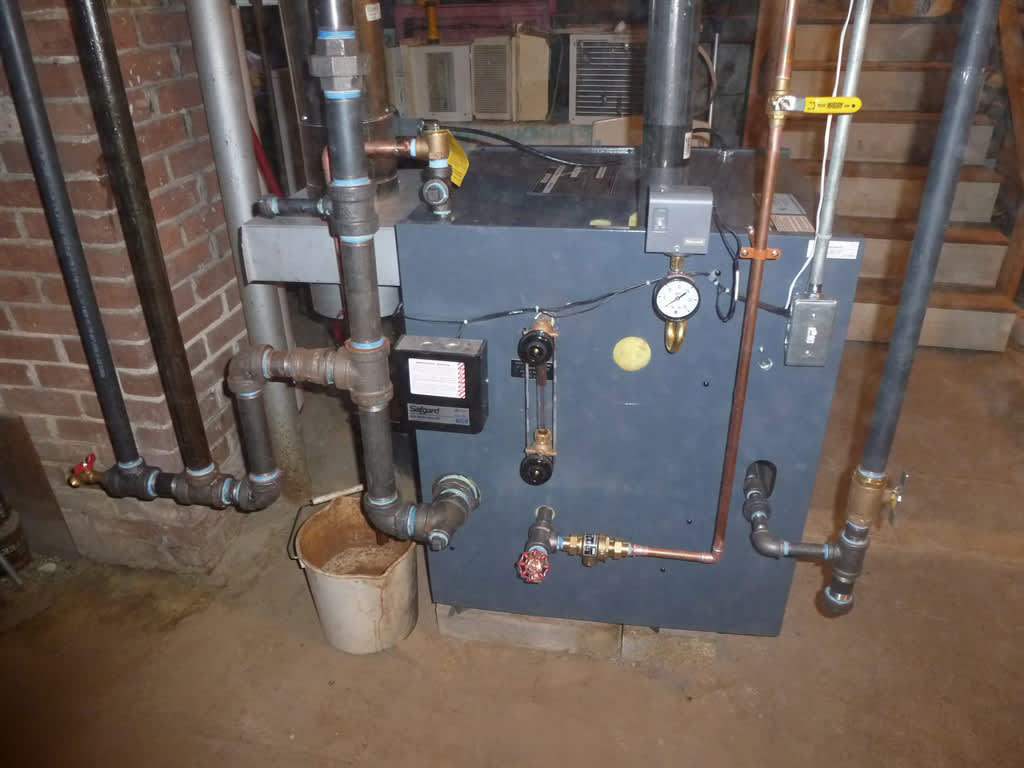
Steam boilers require flushing at least every six to 12 months to keep them operating effectively for as long as possible. Depending on your water quality and frequency of use, you might need to do this more frequently. The flushing process helps to remove problematic buildup of sediments. While a boiler contractor near you can perform a thorough annual flush, learning how to drain the system yourself means you can do this monthly if you experience speedy mineral accumulation because of hard water.
Some of the signs of HVAC issues include rising energy bills, rooms not cooling or heating properly, loud noises when in operation, and signs of condensation. To illustrate, if you’re wondering how to stop condensation on air vents, you’ll need to have your HVAC inspected.
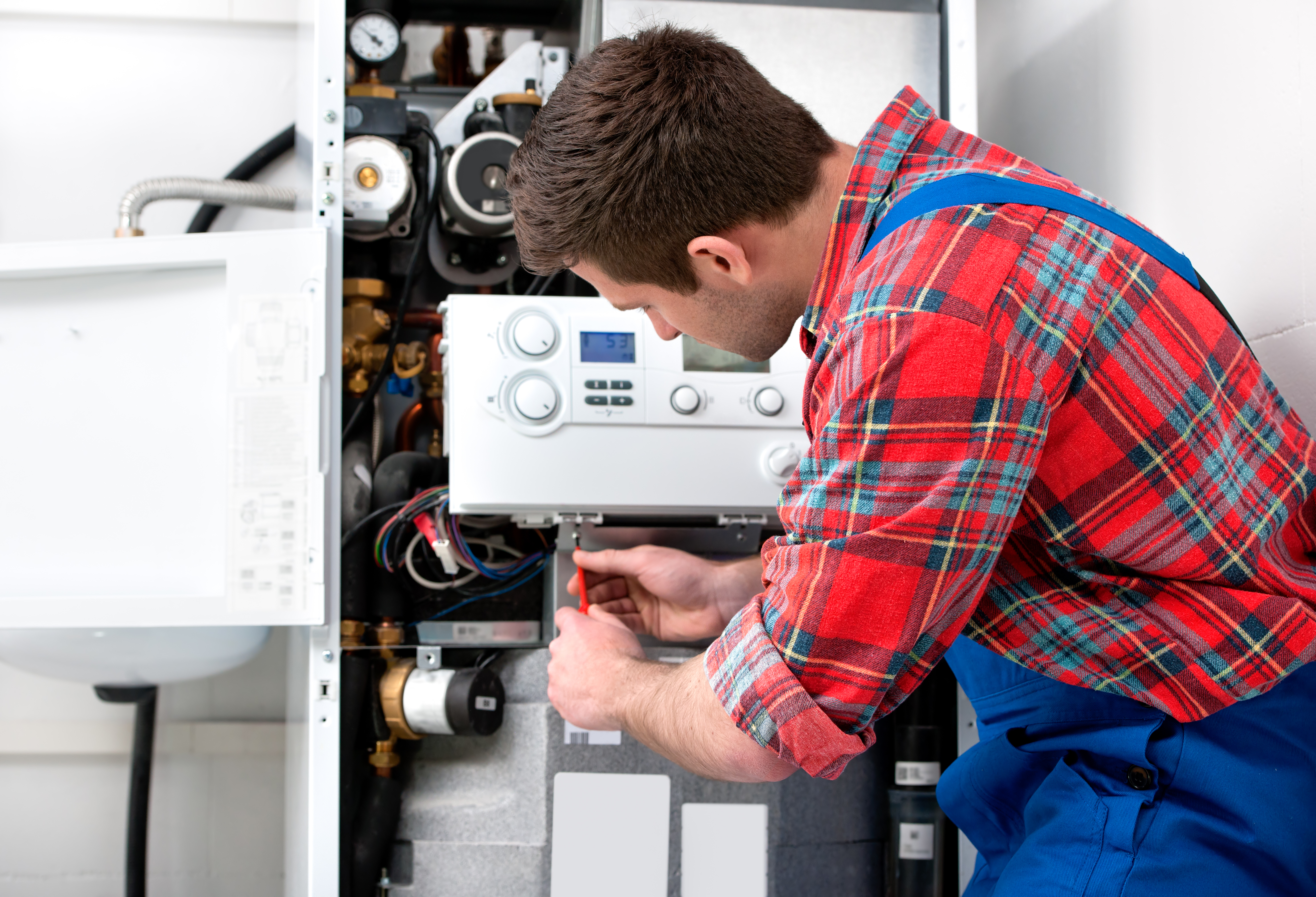
The most important sign of a boiler problem is something happening unexpectedly, which is why regular boiler maintenance is important. Unexpected problems can include strange smells, new leaks, and unexpected noises that your boiler wasn’t making before. Additionally, if a boiler keeps shutting off or can’t maintain a specific temperature range, it’s time to call in an expert.
A furnace takes in cool air, heats it through the burner and heat exchanger, and sends the air on its way to warm your home. A boiler is a pressurized vessel that produces hot water or steam to heat the home and provide hot water. A boiler may or may not work together with a furnace.
The Circle, MT homeowners’ guide to boiler repairs
From average costs to expert advice, get all the answers you need to get your job done.
Is your heating system leaking or making loud noises? Learn about radiator and boiler repair costs, warning signs, and how to hire the right local pro.