
Blue Ridge Construction
Asphalt Sealing
Serving Browning, MT and surrounding areas
In business since 2016
Free estimates
Offers commercial services
4 workers. remodeling, concrete work, asphalt paving. \nmilage per trip charge\n7-7 7days a week.
*The Angi rating for Driveway Sealcoating companies in Browning, MT is a rating based on verified reviews from our community of homeowners who have used these pros to meet their Driveway Sealcoating needs.
*The HomeAdvisor rating for Driveway Sealcoating companies in Browning, MT is a rating based on verified reviews from our community of homeowners who have used these pros to meet their Driveway Sealcoating needs.
Last update on January 30, 2021
Serving Browning, MT and surrounding areas
In business since 2016
Free estimates
Offers commercial services
4 workers. remodeling, concrete work, asphalt paving. \nmilage per trip charge\n7-7 7days a week.
From average costs to expert advice, get all the answers you need to get your job done.
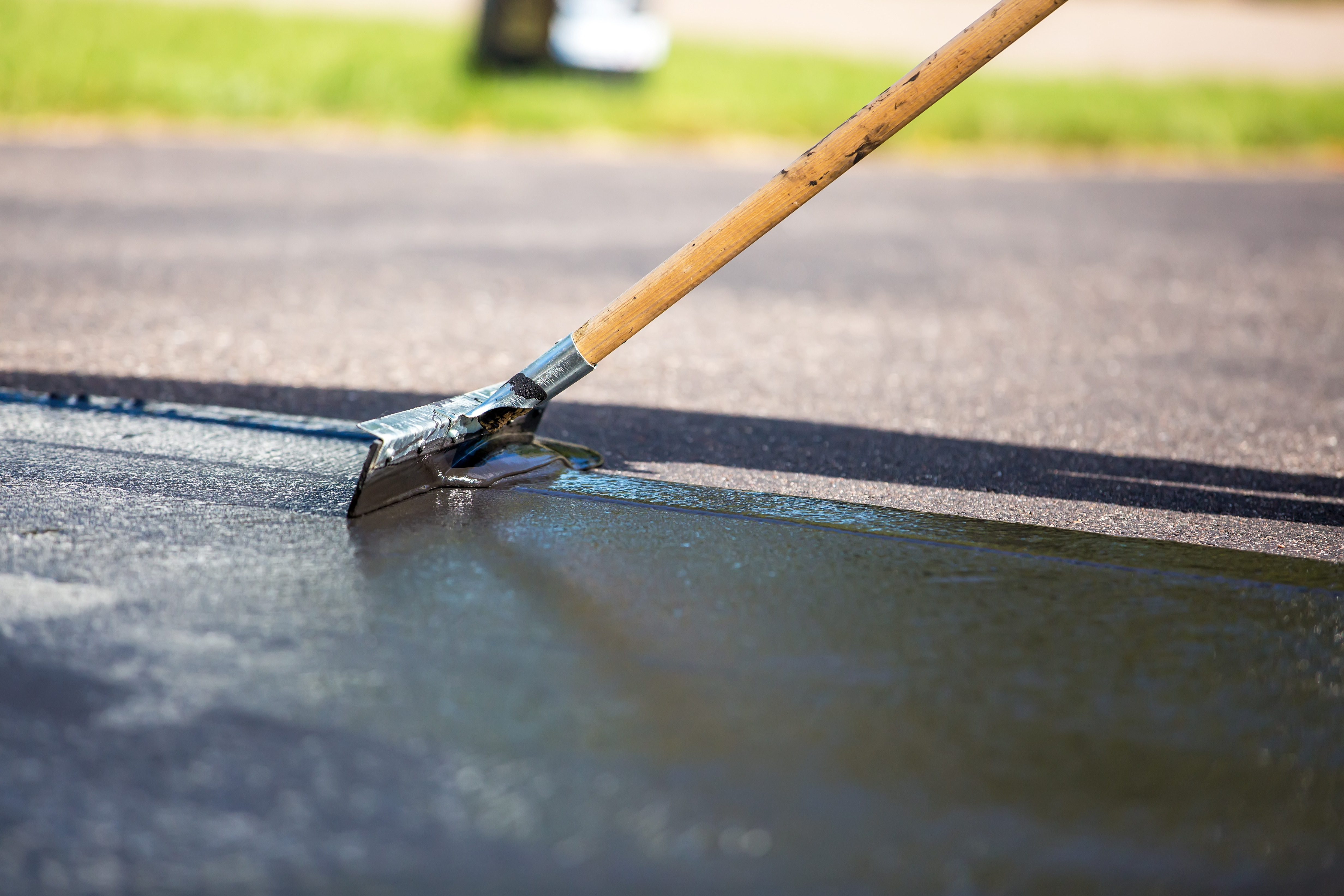
Use our guide to calculate the cost to seal an asphalt driveway. Prices vary based on the type of sealant and the size of the driveway.
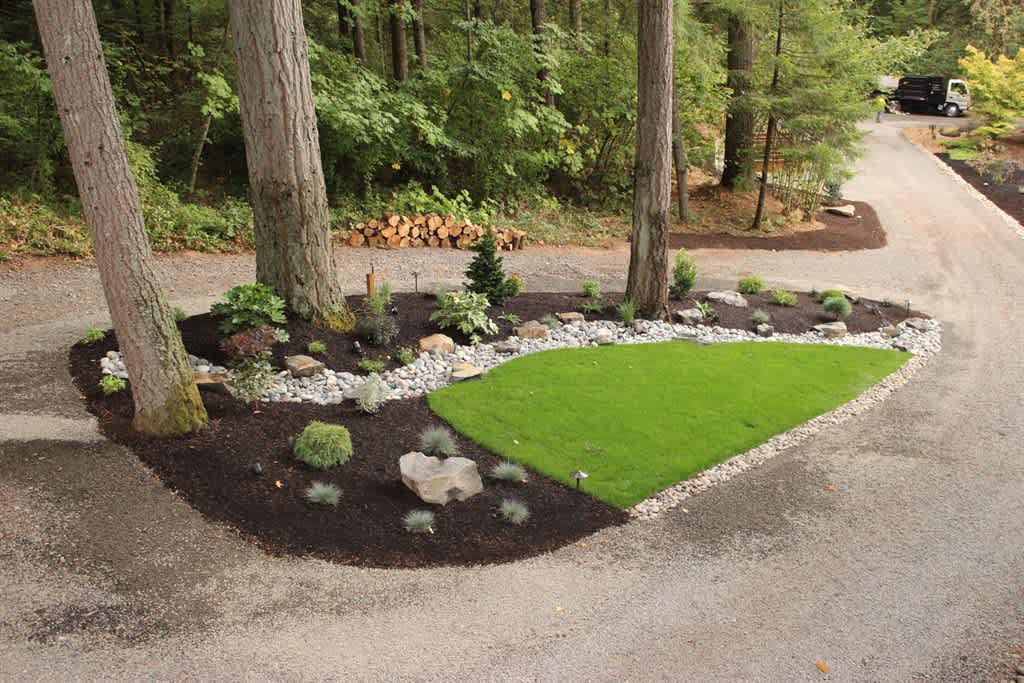
The cost of a tar and chip driveway falls between gravel and asphalt. Is this unique process the happy medium you've been looking for? Let's take a look.
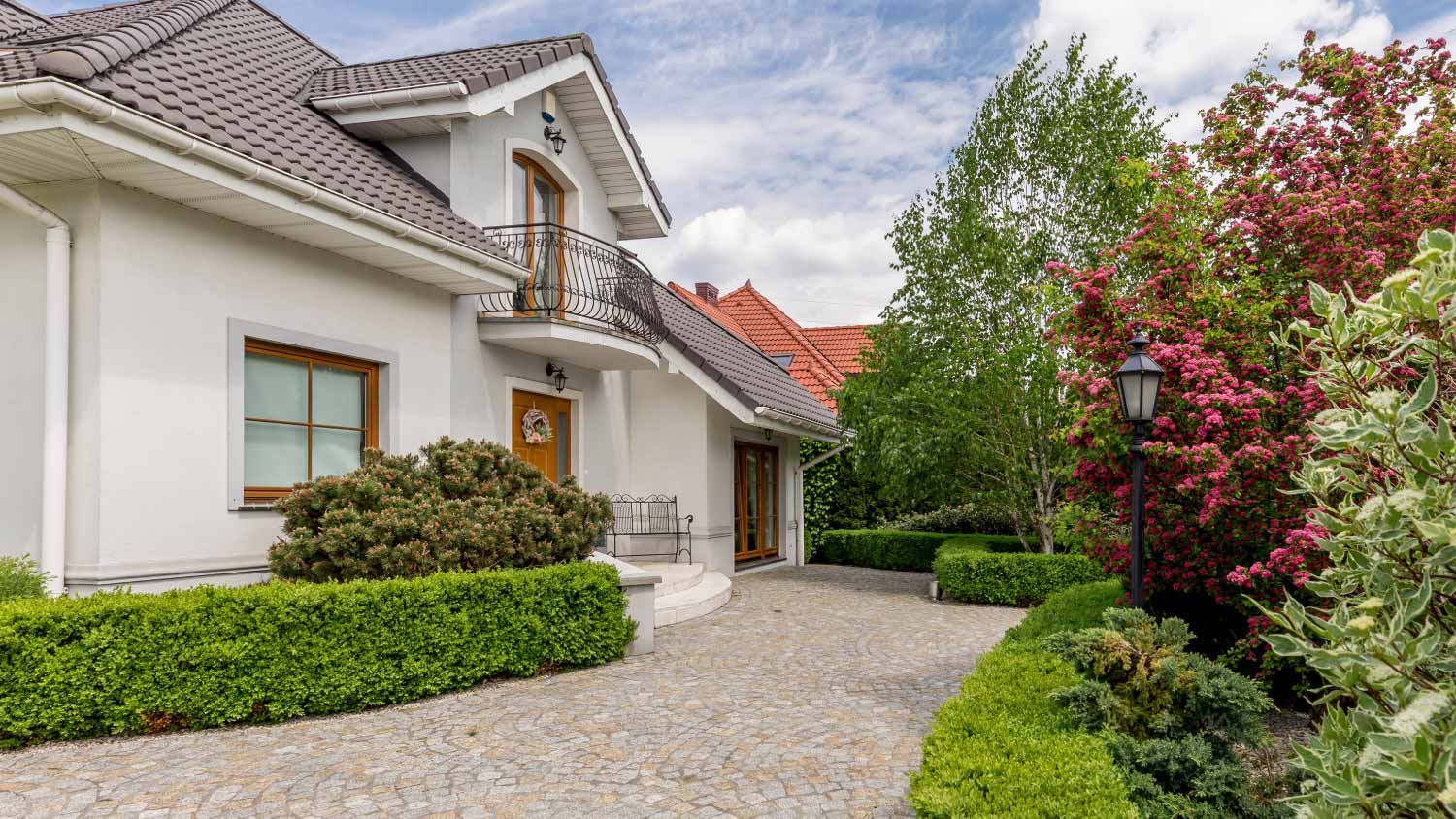
Discover the average cobblestone driveway cost based on factors like the size and scope. Keep reading to budget for a cobblestone driveway.
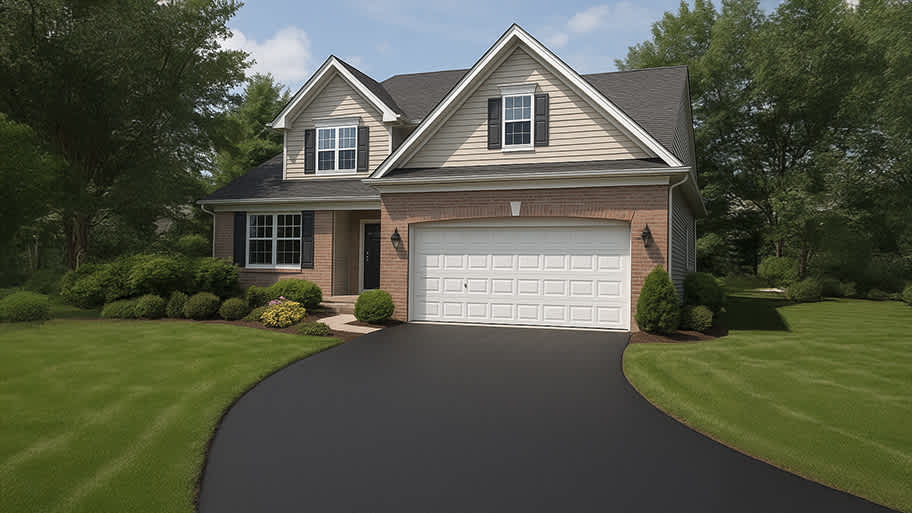
Wondering how to seal a driveway? We break down this weekend project into 11 easy steps.
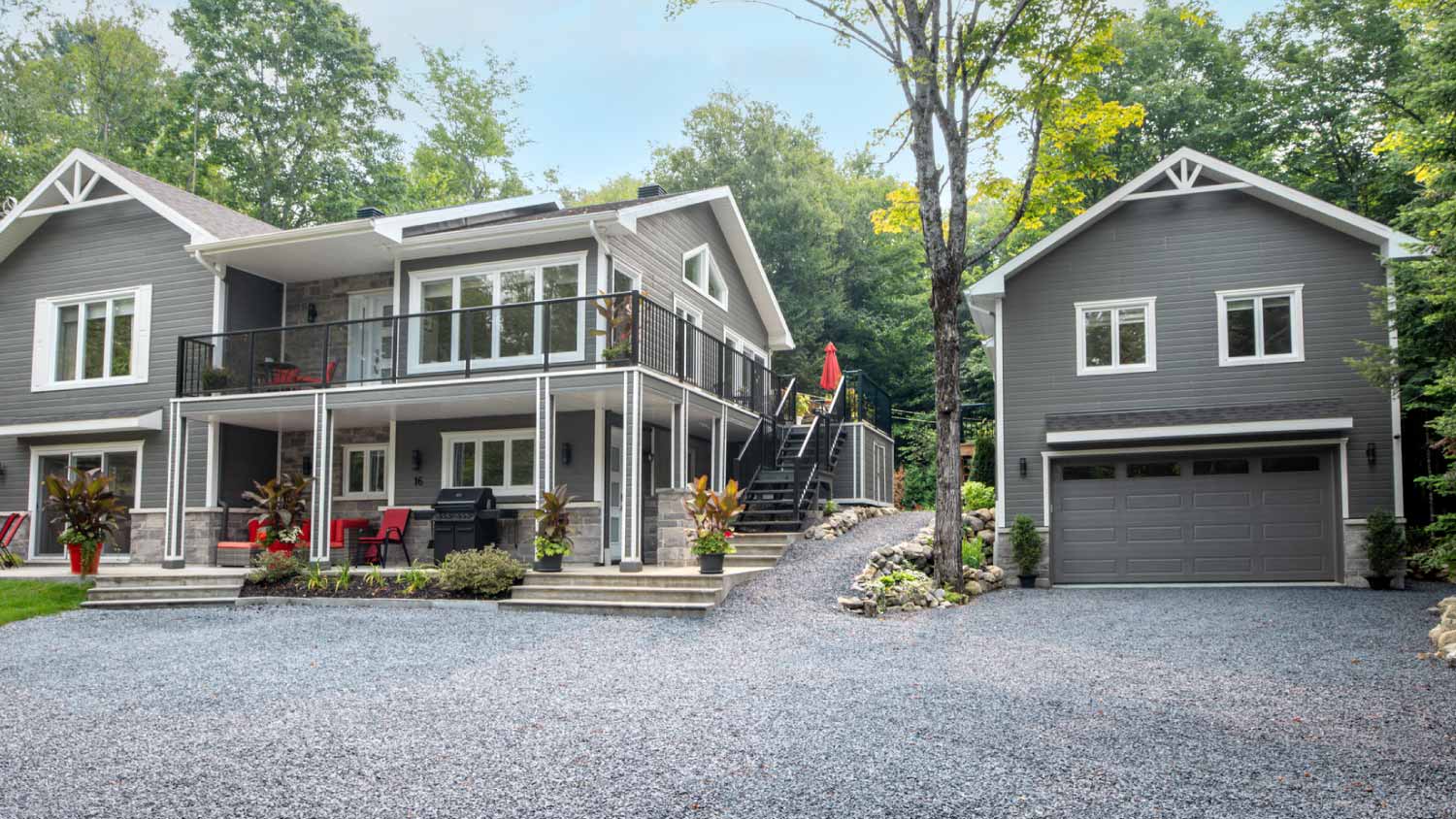
The average driveway coating takes between 30 minutes and eight hours to dry, but weather and sealant type can influence the dry time. Read on to learn more.
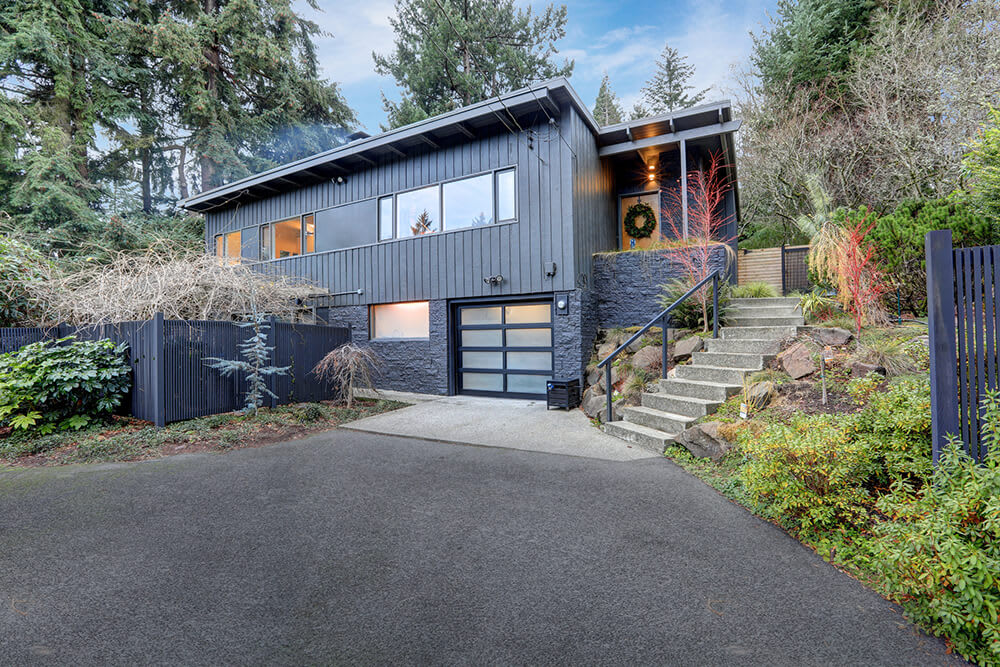
Driveways are no stranger to the hot sun, extreme weather, and the weight of heavy machinery. Learn how often you should seal your driveway.