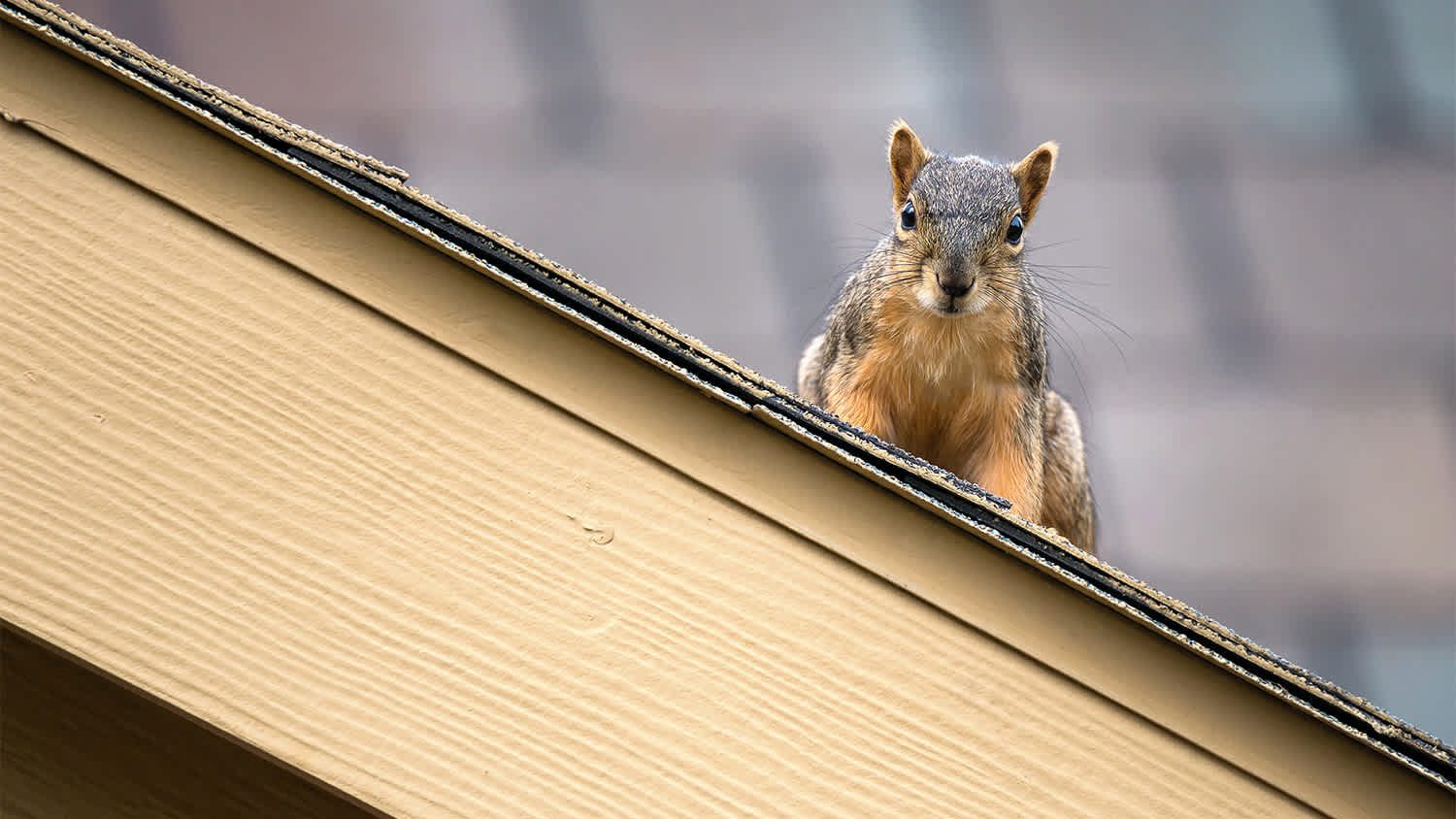
Top-rated animal removal specialists.

Get matched with top animal removal specialists in Browning, MT

Enter your zip and get matched with up to 5 pros

Need a pro for your animal removal project in Browning, MT?

Select your specific project to find the pro for you.

Find Animal removal specialists in Browning

Animal Removal questions, answered by experts

Yes, most exterminators or pest control services provide free estimates to potential customers. It’s a good idea to get at least three estimates to compare prices and services unless you have an emergency that can’t wait to gather estimates. When providing the exterminators information for the estimate, be sure to include as much specific information as possible, include the suspected type of pest, how many you’ve seen, and other warning signs.

Badgers have a strong sense of smell, so it’s possible you can deter them with strong scents, such as applying citronella oil to the bottom of your fence, adding crushed scotch bonnet peppers sprinkled throughout your garden, or mixing both of these into a solution to spray around your home and garden.

It’s possible that skunks will leave on their own. Skunks may appear briefly on your property and move on if they cannot find food. However, waiting them out is not a foolproof solution. If the skunk finds a food source on or near your property and builds a nest, the animal will almost certainly not choose to move. If you can eliminate food sources, you’ll have a better chance of seeing the skunk leave on its own.

Snakes love yards where they can access pet food, insects, and rodents. They also like places with plenty of hiding spots, such as tall grasses, thick or overgrown shrubbery, pools of water, broken gutters, and boxes. Reducing clutter and debris on your property may help keep them from visiting.

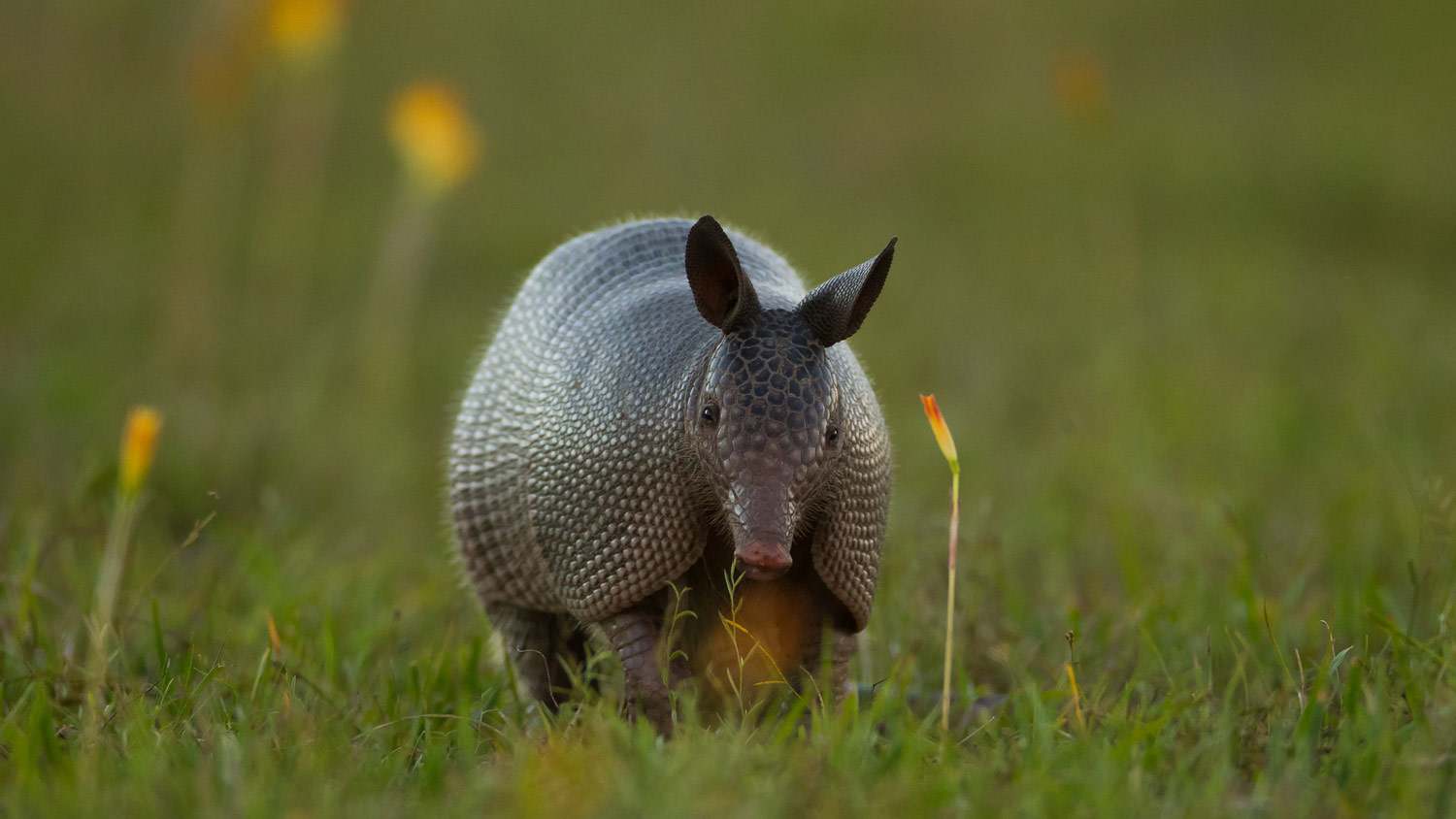
Armadillos are most active during cooler hours to avoid extreme temperatures, particularly the daytime heat in the warm climates where they live. This activity pattern helps them reduce the risk of overheating and dehydration. They are generally active from late at night to early morning, often between 2 a.m. and 5 a.m., but can also be seen around dawn and dusk. An exception to this is during mating season (June-July in the northern hemisphere, November-December in the southern hemisphere), when male armadillos may be more active than usual.

The Browning, MT homeowners’ guide to animal removal services

From average costs to expert advice, get all the answers you need to get your job done.