




Top-rated plaster repair specialists.

Get matched with top plaster repair specialists in Black Eagle, MT

Enter your zip and get matched with up to 5 pros

Need a pro for your plaster repair project in Black Eagle, MT?

Select your specific project to find the pro for you.

TRUSTED BY BLACK EAGLE, MT HOMEOWNERS

  • Average homeowner rating star icon4.5
    Average homeowner rating
  • Verified reviews icon15
    Verified plaster repairs reviews

Find Plaster repair specialists in Black Eagle

Avatar for Great Falls Painters
Great Falls Painters
5.0(
3
)

Serving Black Eagle, MT and surrounding areas

Approved

In business since 2023

Free estimates

Small jobs welcome

"Aaron is an excellent worker. Goes above and beyond in making sure projects are done and done well. Couldnâ t have asked for better service."
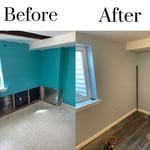
Before & After
Close Up
Hotel Renovation Before
Hotel Renovation After
Response time2 days
5 neighbors recently requested a quote
Recommended by66%of homeowners
Strictly smooth
New to Angi

Serving Black Eagle, MT and surrounding areas

In business since 1995

Free estimates

Credit card accepted

We're a locally owned and operated company with over 30 years of industry experience. We value honesty and integrity, and stand behind our work. We specialize in drywall, tape, texture and a variety of related projects. We pride ourselves on the quality of our work as well as our commitment to outstanding results. We look forward to building long-term relationships with our clients and guarantee your satisfaction! \n

Plaster Repair questions, answered by experts

Regular inspections and cleaning to prevent moisture or pest issues.

Smaller is better when patching holes with spackle. Any holes wider than four to six inches in diameter tend to be too wide to repair with spackle alone. You'll likely want to patch bigger holes with a drywall panel. 

Even holes measuring up to 6 inches may be challenging to fill with spackle alone. For best results, purchase a wall repair patch made from wire mesh. Cut the patch to fit over the hole, then use the spackle to hold it in place. Apply the spackle over the patch as you would for a smaller hole.

While it’s most common to sand plaster dry, it is possible to wet-sand plaster, too. Doing so can reduce the amount of plaster dust released into the air and make it easier to work in smaller, more delicate areas (such as around wall trim). However, some people find that wet sanding leads to more imperfections, which is why larger walls are more often dry sanded to ensure an even finish.

Although they are used for similar tasks, spackle and joint compound are not the same. Joint compound, also known as drywall mud, consists of limestone and gypsum and is primarily used for large-scale projects like taping and finishing seams on new drywall. Spackle is composed of gypsum and binding agents, making it a thicker compound best suited for small wall repairs like filling nail holes or cracks, as it dries quickly and is easy to sand. For small repairs, either product can be suitable. However, you can use joint compound for small jobs in place of spackle, but you cannot use spackle for large-scale taping and mudding projects.

With its breathability and flexibility, lime plaster is among the most durable of all plaster types. It's also fire-resistant and has a proven track record, as people have been using it for thousands of years.

However, all plaster types will last for many years with the right care and treatment. Proper preparation and installation will also help ensure your plaster walls look great for as long as possible.

The Black Eagle, MT homeowners’ guide to plaster repairs

From average costs to expert advice, get all the answers you need to get your job done.