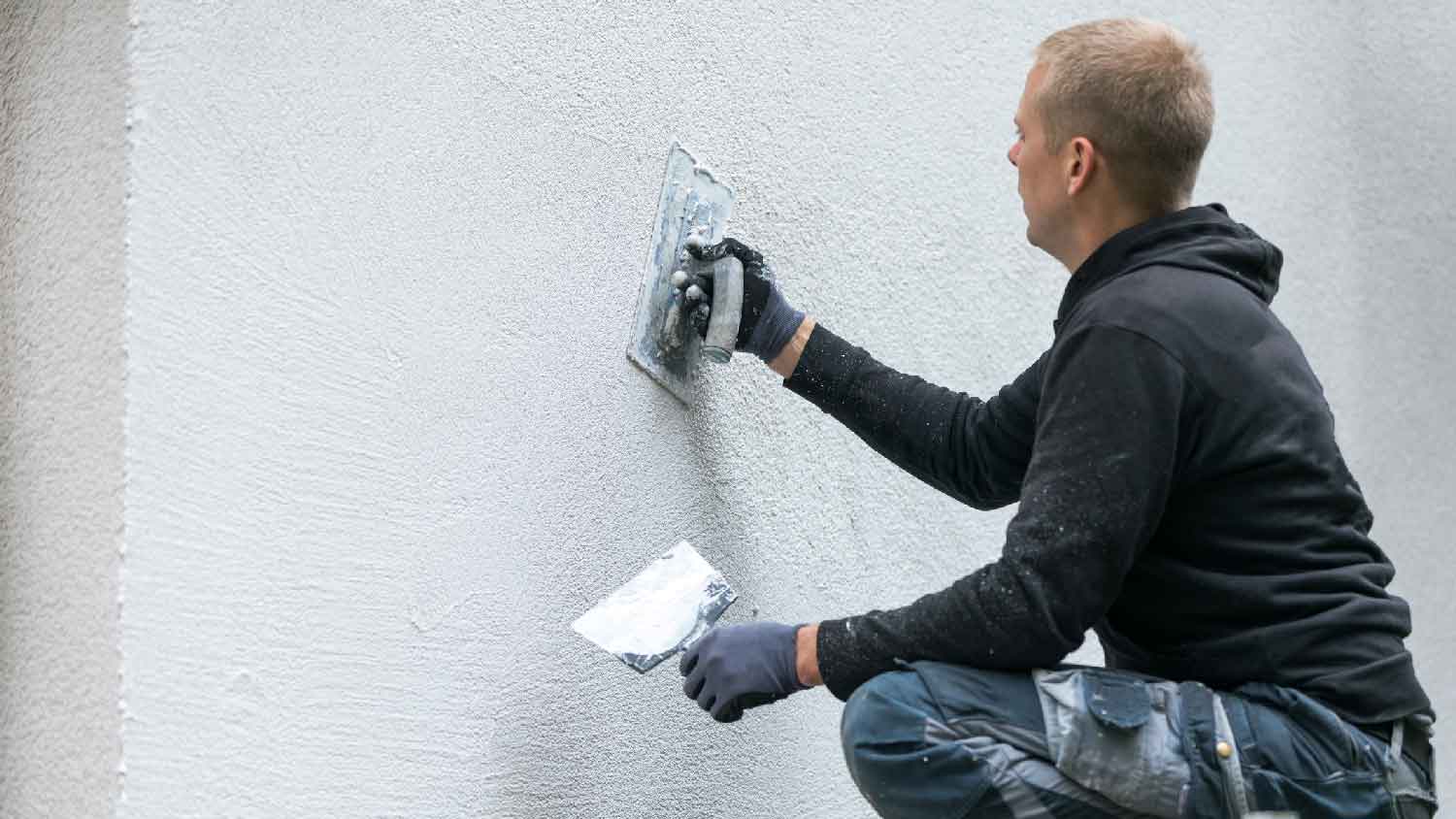






Top-rated stucco pros.

Get matched with top stucco pros in Belt, MT

Enter your zip and get matched with up to 5 pros

Need a pro for your stucco service project in Belt, MT?

Select your specific project to find the pro for you.

Find Stucco pros in Belt

DaBella - Missoula (Siding)
3.7(
754
)
Synthetic Stucco - Install or Completely ReplaceTraditional Stucco - Install or Completely Replace

Serving Belt, MT and surrounding areas

Approved (Corporate)

In business since 2011

Free estimates

Credit card accepted

"We are so excited to get our house updated with new siding! Patrick Roskowyk did an amazing job helping us find the financing we need for this project to get started! It will be a little bit before the job gets started which gives us a chance to get ready! We highly recommend that you request Patrick to be your siding guy! I’ll up date with pictures when we get started and finished! Yeah!!!"
3 neighbors recently requested a quote
Recommended by87%of homeowners

Allen's Siding & Windows, Inc.
New to Angi
Synthetic Stucco - Install or Completely ReplaceTraditional Stucco - Install or Completely ReplaceTraditional Stucco - Repair or Partially Replace

Serving Belt, MT and surrounding areas

In business since 1988

Allen's Siding & Windows, Inc., is a Full Service,Owner Operated Company for over 17 years in complete exterior home improvements from custom design additions, sunrooms, patios, and decks to complete siding and window installations and repairs as well as all exterior window treatments including custom shutters and awnings. We specialize in ALSIDE ULTRAMAX Windows, which have been energy star partner for 3 years running. We work with you from start to finish with complete client focus, and professional personalized service giving superior craftsmanship with attention to each detail to ensure we create the vision you have for your home. Hire The Contractor not a Salesman. Please see our website at www.sydngys.com

Stucco questions, answered by experts

Choosing between traditional and synthetic stucco depends on your specific needs, budget, and climate. Both options are durable, but synthetic stucco includes an extra layer that makes it more resistant to cracking and a better choice for climates with extreme weather. In hot, dry climates with less rainfall, traditional stucco is a suitable and more affordable option that is less likely to trap moisture. Synthetic stucco also offers more color options and requires less maintenance.

All of the components of stucco are non-combustible, so the siding material won’t ignite or spread fire to the interior of your home. However, it also expands and contracts with changes in temperature, so it will crack from long exposure to heat. Eventually, fire will spread through those cracks. Still, stucco is one of the best siding materials for fire protection and can keep you and your family safe for an hour, on average.

Stucco repair can best be described as a patch. It involves identifying the problem and fixing that specific damage with additional stucco. If no mold infiltration or an underlying leak is causing the damage, repair is most likely all you need. 

Remediation, on the other hand, involves removing the existing siding, fixing the underlying cause of the damage, and then reapplying stucco siding for that wall. It’s a more permanent fix that takes longer to complete and, hence, comes with a steeper price tag than repair.

Homeowners insurance may cover the cost of siding repair or replacement, but coverage depends on the cause of the damage. Most policies will cover damage from a covered event, such as a storm, wind, hail, fire, natural disaster, or other impact damage. Your policy might pay for the full or partial cost of the repair or replacement. However, damage resulting from age, general wear and tear, or neglect is typically not covered, and you should expect to pay for those repairs out of pocket. It is best to review your specific homeowners insurance policy for full details on what is covered, how to file a claim, and what documentation is required.

You can use small bits that are up to 3/8 inch in diameter, or larger bits that are 1/2 inch or more in diameter. Make sure the bits you use are coated with carbide or diamond; this information is usually visible on the package. You can also use hole saw bits to drill into stucco.

The Belt, MT homeowners’ guide to stucco services

From average costs to expert advice, get all the answers you need to get your job done.