





Top-rated radon detection and reduction specialists.

Get matched with top radon detection and reduction specialists in Soso, MS

Enter your zip and get matched with up to 5 pros

Need a pro for your radon detection and reduction project in Soso, MS?

Select your specific project to find the pro for you.

Find Radon detection and reduction specialists in Soso

Environmental Services LLC
New to Angi
Radon Gas - Testing

Serving Soso, MS and surrounding areas

In business since 1989

We take great pride in our experience, expertise, quality, and customer service that we provide to meet the consumer's needs. It is our mission to provide excellent workmanship and complete customer satisfaction from start to completion of a project. In order to understand the needs and expectations of our customers, we take great care to work and communicate with every customer in a professional manner. Our reputation is based on service, safety, and quality, regardless of how large or small the job.


Radon Detection and Reduction questions, answered by experts

Radon is present almost everywhere but, like sunlight, the concentration levels and how often you are exposed to it have a large part to play in just how dangerous it is. There are levels of radon that are acceptable inside a house, but above a certain limit, radon becomes a serious radioactive hazard that is a known cause of lung cancer. In fact, radon exposure is the number two leading cause of lung cancer (after smoking).

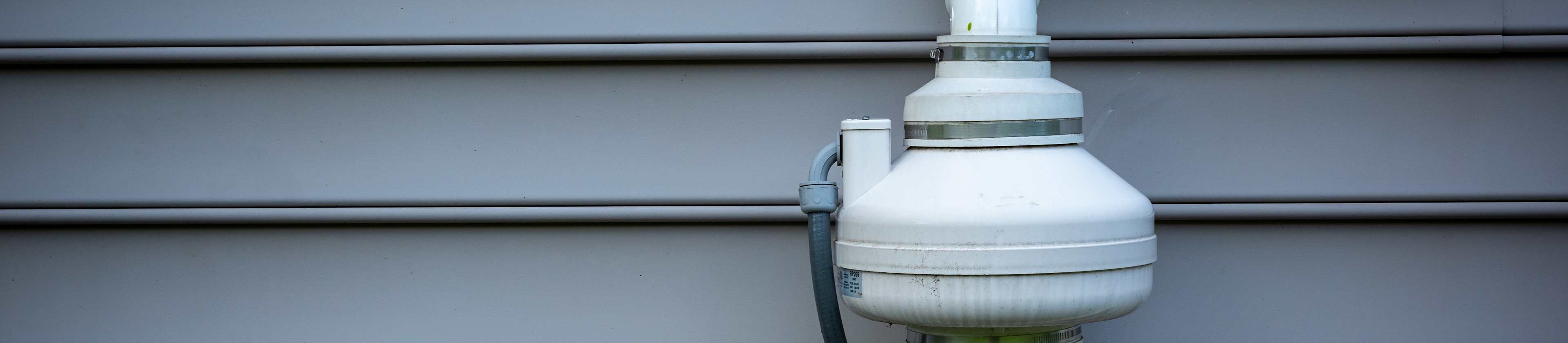
Your radon mitigation system may be loud because it’s time to replace it. Any sounds are usually from the inline fan that helps create the vacuum and resulting airflow. If you hear a new, loud mechanical or humming noise from your radon fan, it might be time to replace it. Most fans used in radon mitigation systems last up to 10 years, but may need to be replaced sooner.

Testing every 2-5 years or upon adjusting occupancy or structural changes maintains safe environments.

The natural breakdown of uranium in soil, rock, and water can cause radon to appear in a home. The gas seeps into homes through cracks in foundations, walls, or floors, as well as through gaps around pipes or construction joints. Radon levels are influenced by soil composition, building materials, and ventilation. Poorly sealed or airtight homes can trap radon, allowing it to accumulate.

You'll need to test your home for radon after installing the mitigation system, then again every two years. If radon remains elevated, contact a licensed radon professional, either the contractor who installed the system or a different one, and have them evaluate the system. They may need to make some changes to improve its effectiveness and performance.

The Soso, MS homeowners’ guide to radon detection and reduction services

From average costs to expert advice, get all the answers you need to get your job done.


