



Kbb rubbish removal
Landscape - Soil, Sand, Mulch and Rock Delivery
Serving Sledge, MS and surrounding areas
1 neighbors recently requested a quote

*The Angi rating for Sand And Rock Delivery companies in Sledge, MS is a rating based on verified reviews from our community of homeowners who have used these pros to meet their Sand And Rock Delivery needs.
*The HomeAdvisor rating for Sand And Rock Delivery companies in Sledge, MS is a rating based on verified reviews from our community of homeowners who have used these pros to meet their Sand And Rock Delivery needs.
Last update on June 19, 2026
Serving Sledge, MS and surrounding areas
Serving Sledge, MS and surrounding areas
Approved
Free estimates
Credit card accepted
Elevate Land Services prides our company on reliability, great communication, integrity, and quality work. We are experts in our trade and will do our best to keep you as educated as we can on your particular task or project. We look forward to earning your business!

Serving Sledge, MS and surrounding areas
In business since 2020
Free estimates
"He is very dependable, easy to get a hold of, and does great work!"
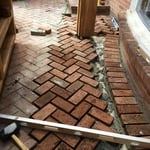
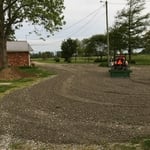

+27

Serving Sledge, MS and surrounding areas
Free estimates
Emergency services offered
Credit card accepted
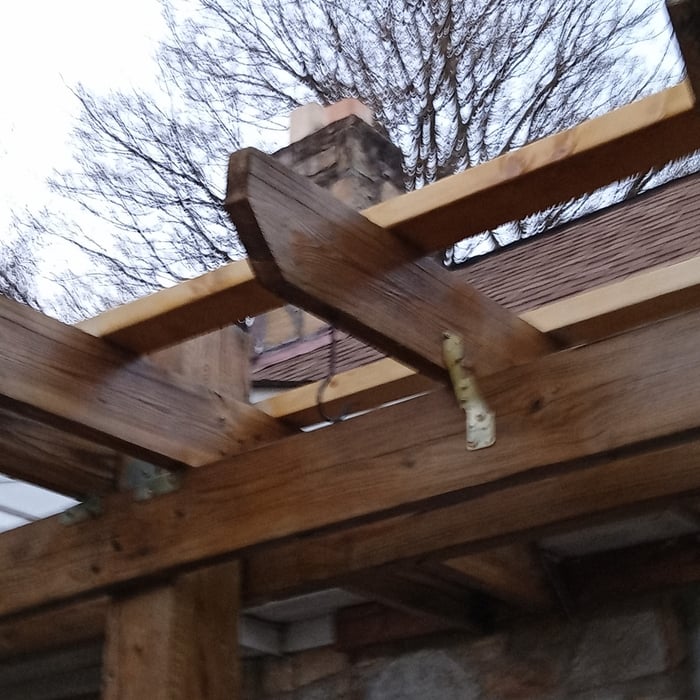
"Great job was done by Just In Time. Wonderful and courteous service."
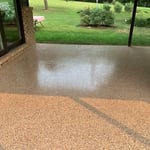
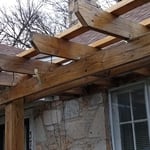


+27

Serving Sledge, MS and surrounding areas
In business since 2011
Free estimates
Emergency services offered
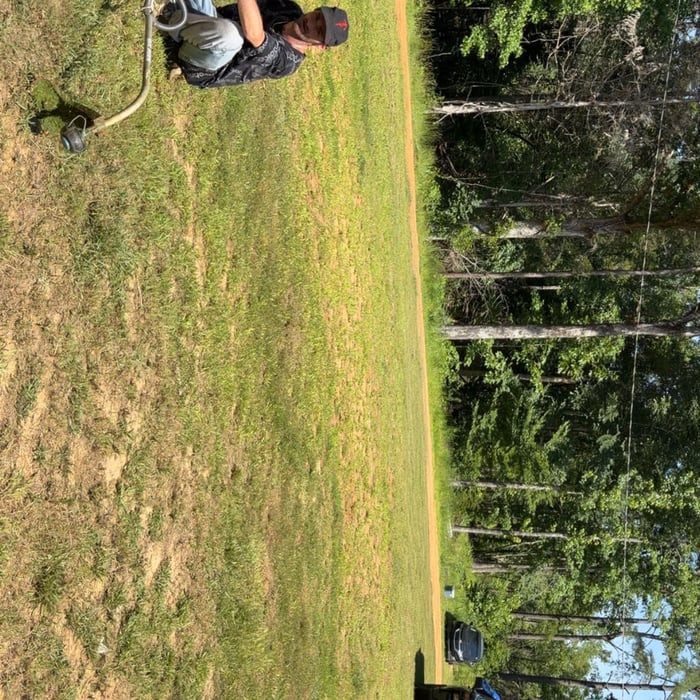
"I hired Bell's Lawn to mow my yard. This was my first time using this landscape service because my previous landscape service ended. I am very pleased with the service provided by Bell's Lawn service."
+5
Serving Sledge, MS and surrounding areas
In business since 2000
Free estimates
"Always fair-- Recommended and I'll be calling them back soon for some more work!"

Serving Sledge, MS and surrounding areas
In business since 2025
Free estimates
Small jobs welcome
"He showed up on time and did an awesome job. I would recommend him to anybody"


Serving Sledge, MS and surrounding areas
In business since 2021
Free estimates
Credit card accepted
"He does great work for a very affordable price. He does neat and amazing work and everything looks great."
Serving Sledge, MS and surrounding areas
In business since 2024
Free estimates
We pride our company on reliability, great communication, integrity, and quality work. We are experts in our trade and will do our best to keep you as educated as we can on your particular task or project. We look forward to earning your business! Book with us online or feel free to give us a call today! \n \n
Serving Sledge, MS and surrounding areas
From average costs to expert advice, get all the answers you need to get your job done.
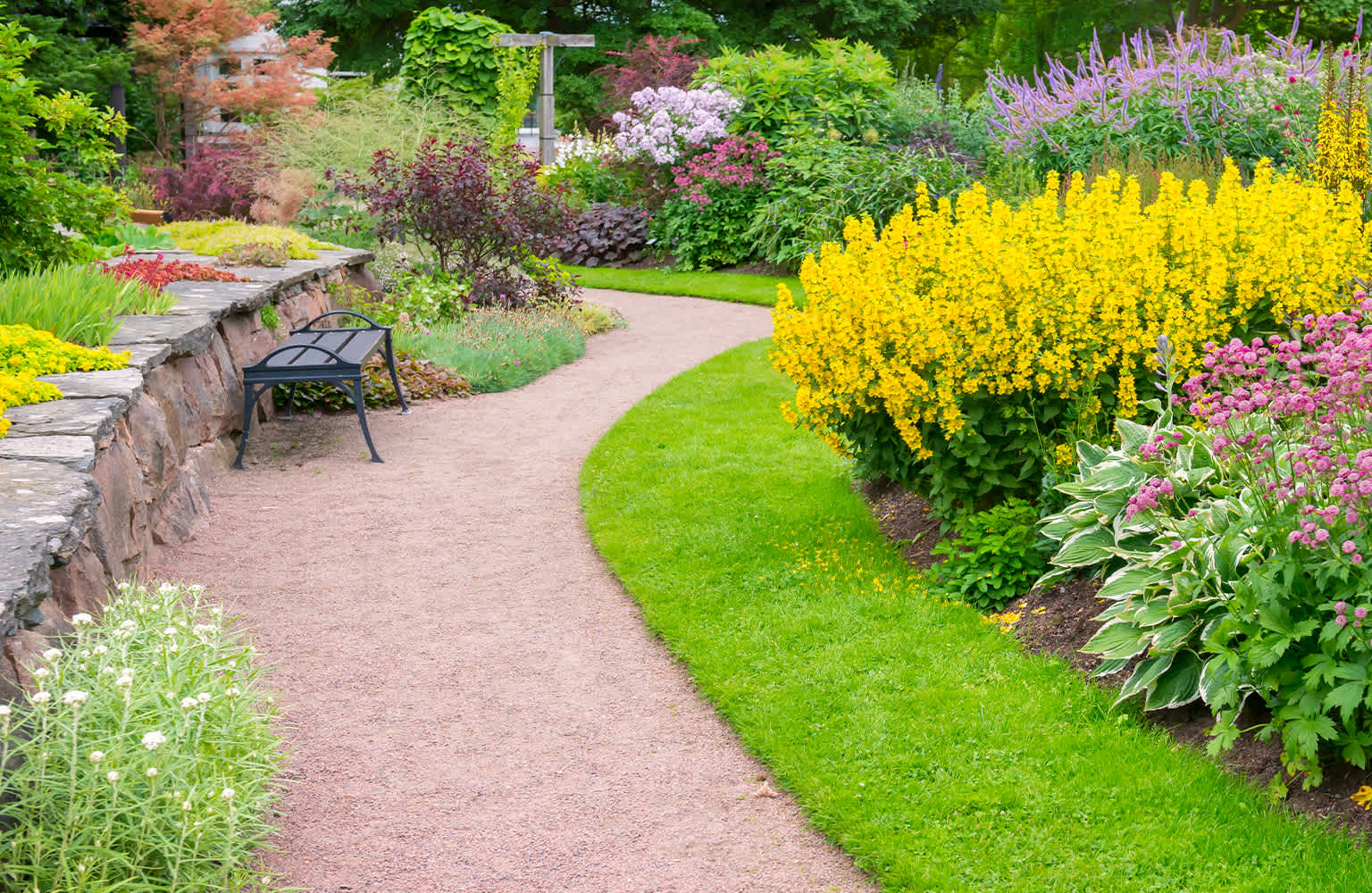
Discover the average sand delivery cost, key price factors, and tips to save on your next project. Get transparent, up-to-date estimates for sand delivery.
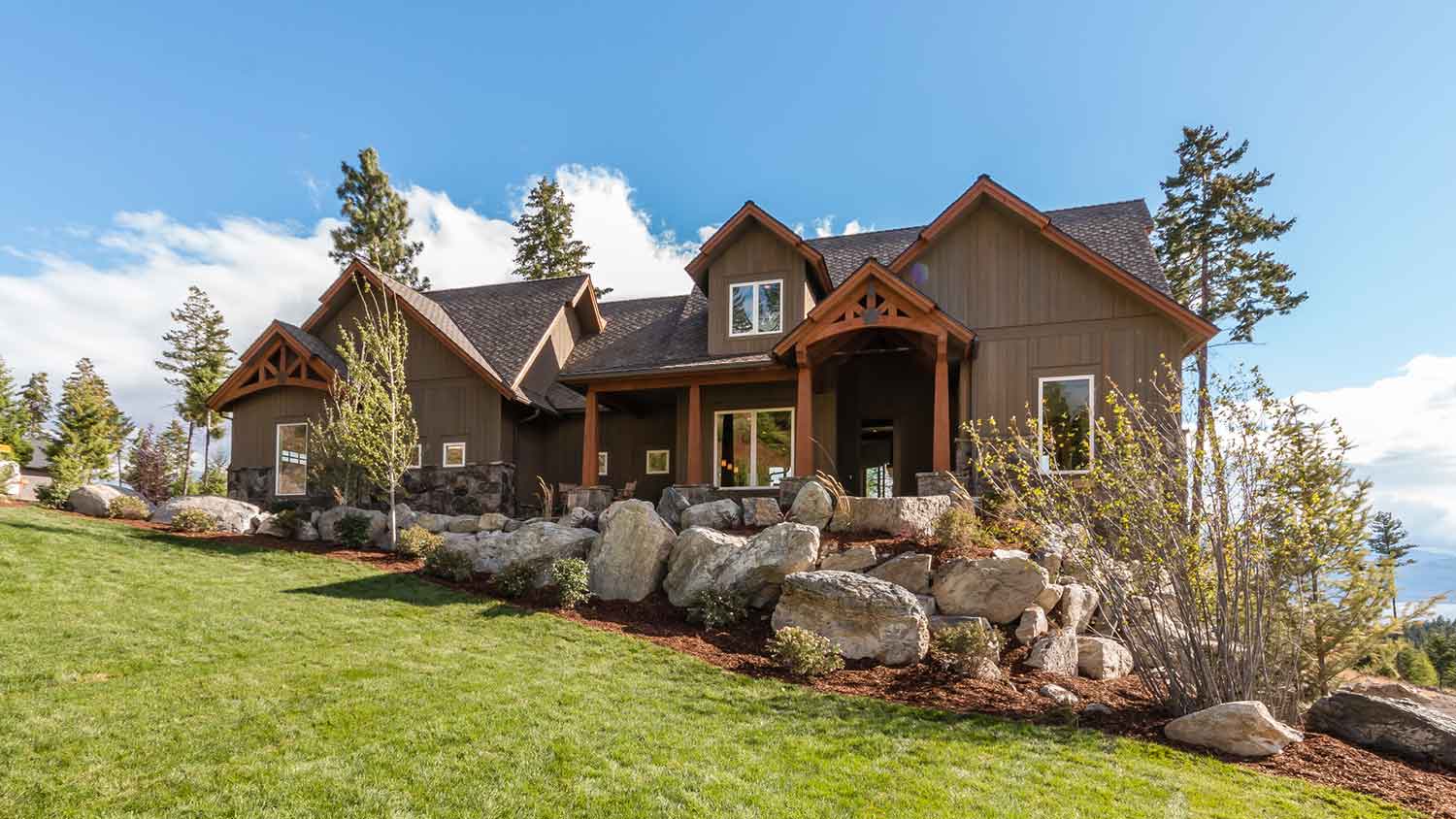
Boulders can make a statement in your landscape, from retaining walls to decorative features. This guide breaks down how much landscape boulders cost.
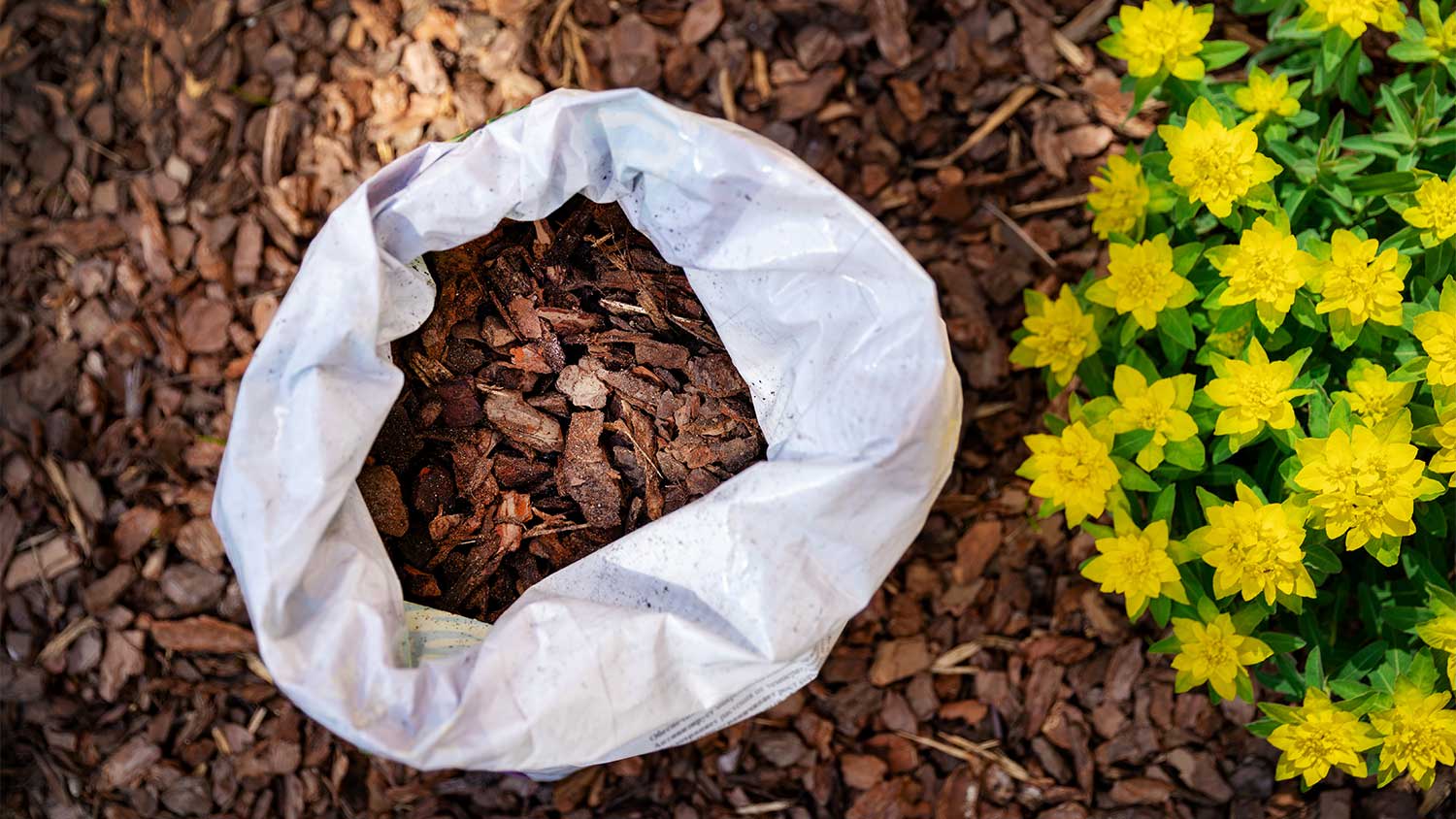
Find out the average mulch delivery and installation cost, plus key factors that impact your price. Learn how to budget, compare options, and save on your landscaping project.
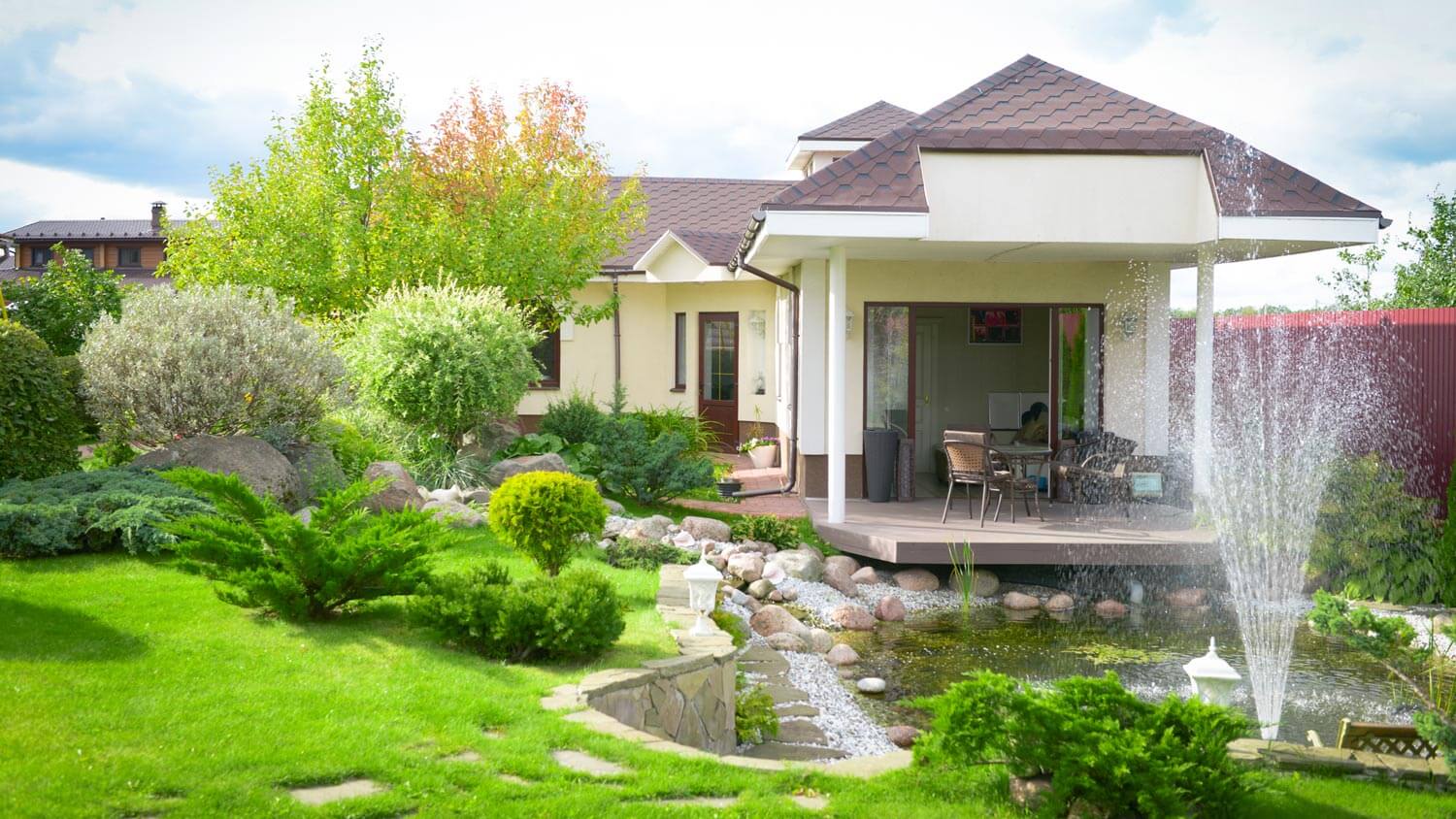
Whether you create a Zen rock garden, group boulders on your lawn, or line paths with pebbles, rockeries are beautiful and low maintenance. Read on to learn more.
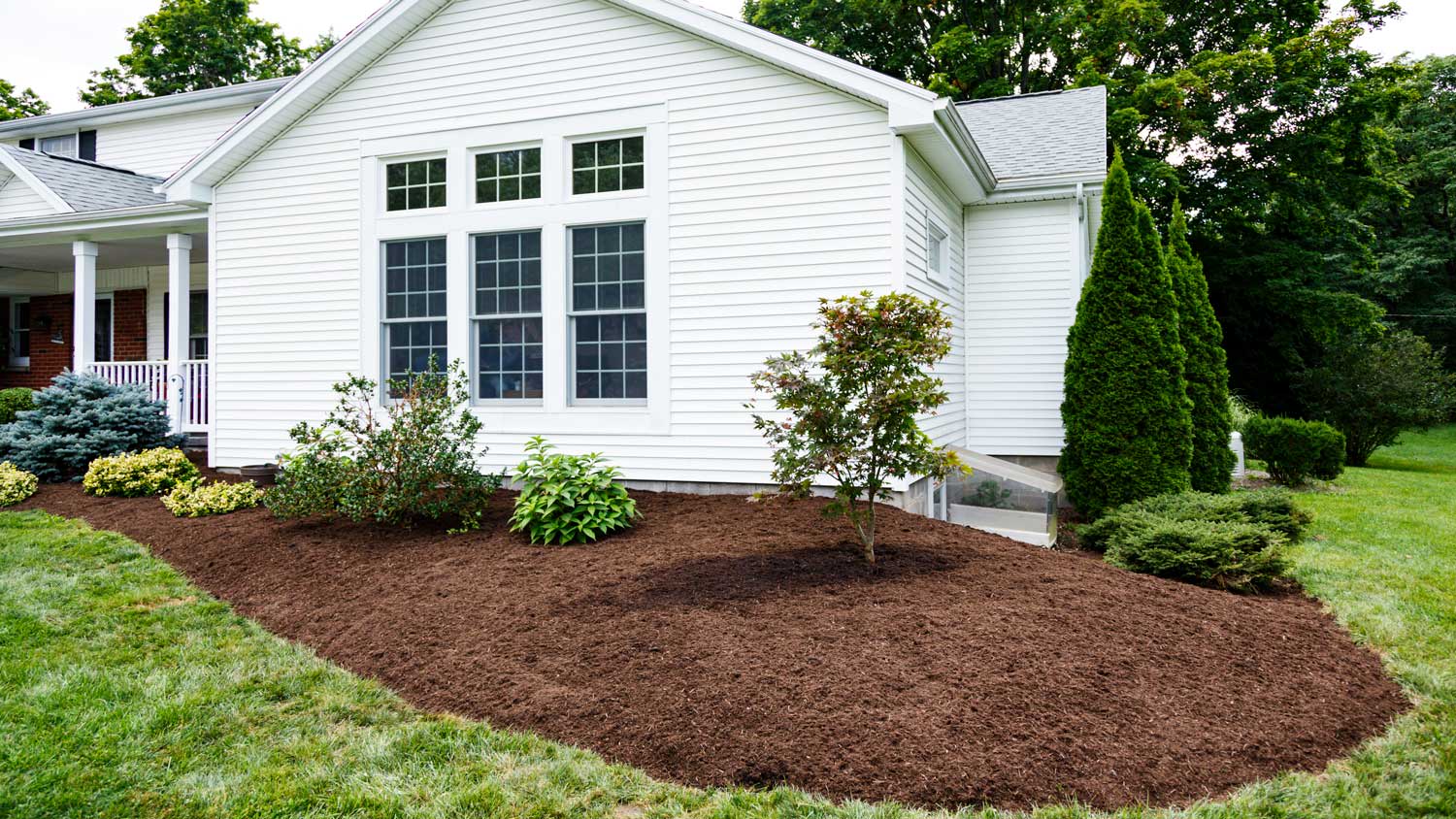
Explore a guide to mulch versus rock landscaping. Uncover the pros, cons, costs, and more to shape a garden mirroring your style and landscaping needs.
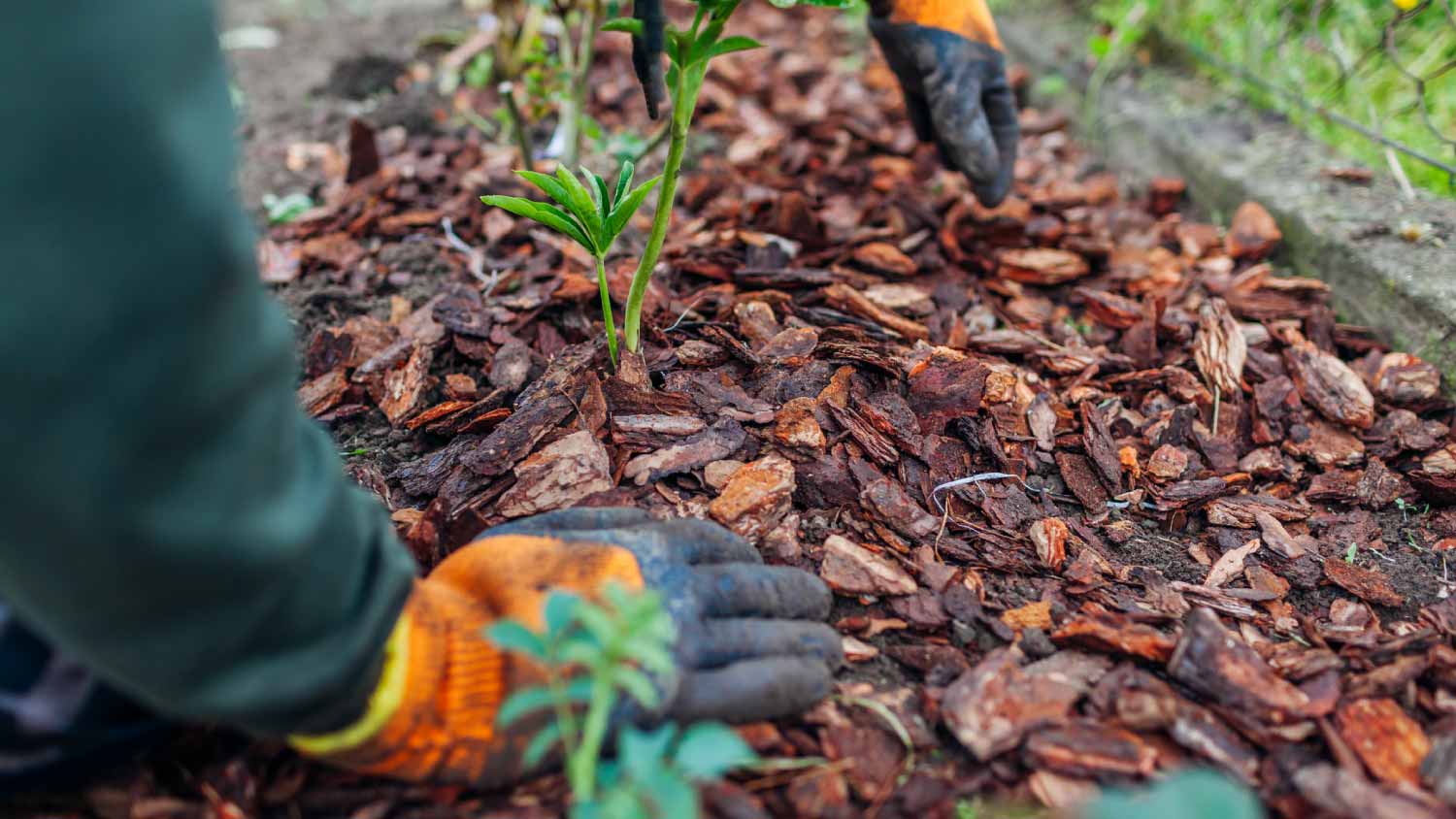
Nothing spruces up your home’s exterior quite like refreshing flower beds and walkways with landscaping materials. Learn what questions to ask about mulch before ordering.