




Top-rated radon detection and reduction specialists.

Get matched with top radon detection and reduction specialists in Shannon, MS

Enter your zip and get matched with up to 5 pros

Need a pro for your radon detection and reduction project in Shannon, MS?

Select your specific project to find the pro for you.

Find Radon detection and reduction specialists in Shannon

Mid South Property Inspections, LLC
5.0(
5
)
Radon Gas - Testing

Serving Shannon, MS and surrounding areas

In business since 2000

Free estimates

Credit card accepted

"Mid South Property Inspections was a great investment. Mr. Vincent was extremely professional and polite. He was always quick to return my calls or answer our questions. His report was top notch! 55 pages of detailed inspection with over 100 pictures detailing his findings, recommendations for repairs, and maintenance ideas. Would recommend him and his company to anyone looking for a great home inspection to assess the value of large investment."

 Batesville, MS
 Oxford, MS
 Cleveland, MS
 Jackson, MS
 Columbus, MS

+5

Recommended by100%of homeowners

Radon Detection and Reduction questions, answered by experts

Radon enters your home when warm air begins to rise and exits through the roof, creating a vacuum that pulls cooler air from under the foundation. Part of that air is radon, which is an invisible, odorless gas that develops naturally when radioactive particles are deep within the ground. Those particles usually come from decaying matter in soil and rocks.

Long-term exposure increases lung cancer risks. Prolonged homestay individuals and smokers encounter heightened vulnerability and exposure concerns.

While DIY testing is possible, abatement generally requires professional installation to ensure efficacy and meet safety standards.

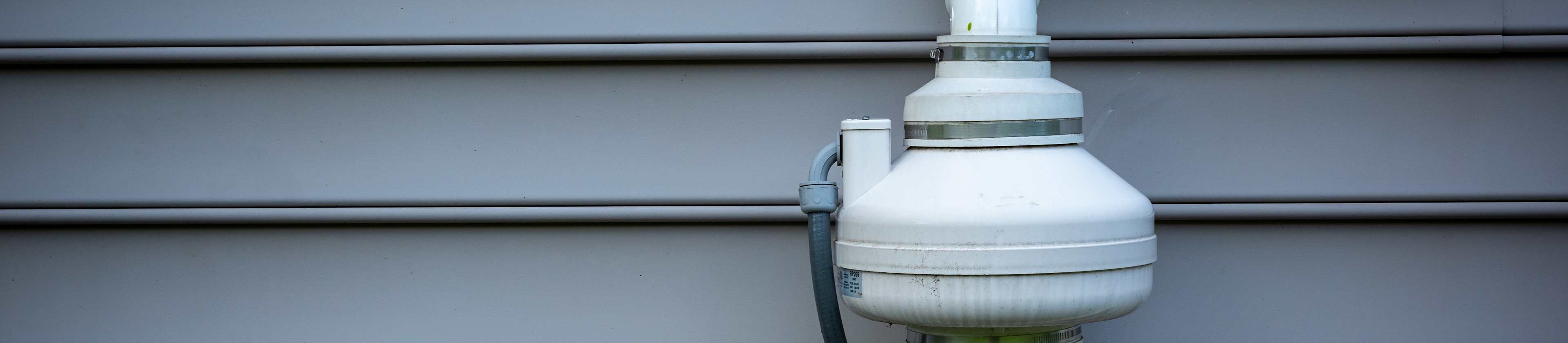
Your radon fan needs to operate 24/7 to be effective. The only time the fan isn't operating is during its replacement. Radon levels in the home can increase within hours if the fan stops working or something obstructs the stack vent. Fortunately, radon systems require no downtime maintenance between fan changes.

The lifespan of a radon mitigation system depends on the type of system and its maintenance. With proper care, a system can last for many decades. Passive systems tend to last longer as they have fewer components that require replacement. Active systems, which have more moving parts like fans, generally have a shorter lifespan. For instance, water filtration devices and active pressurization systems require more frequent maintenance. While the system as a whole is durable, the radon fan in an active system typically has a lifespan of 5 to 10 years and will need to be replaced. As long as the fan is working, the mitigation system should function correctly.

The Shannon, MS homeowners’ guide to radon detection and reduction services

From average costs to expert advice, get all the answers you need to get your job done.