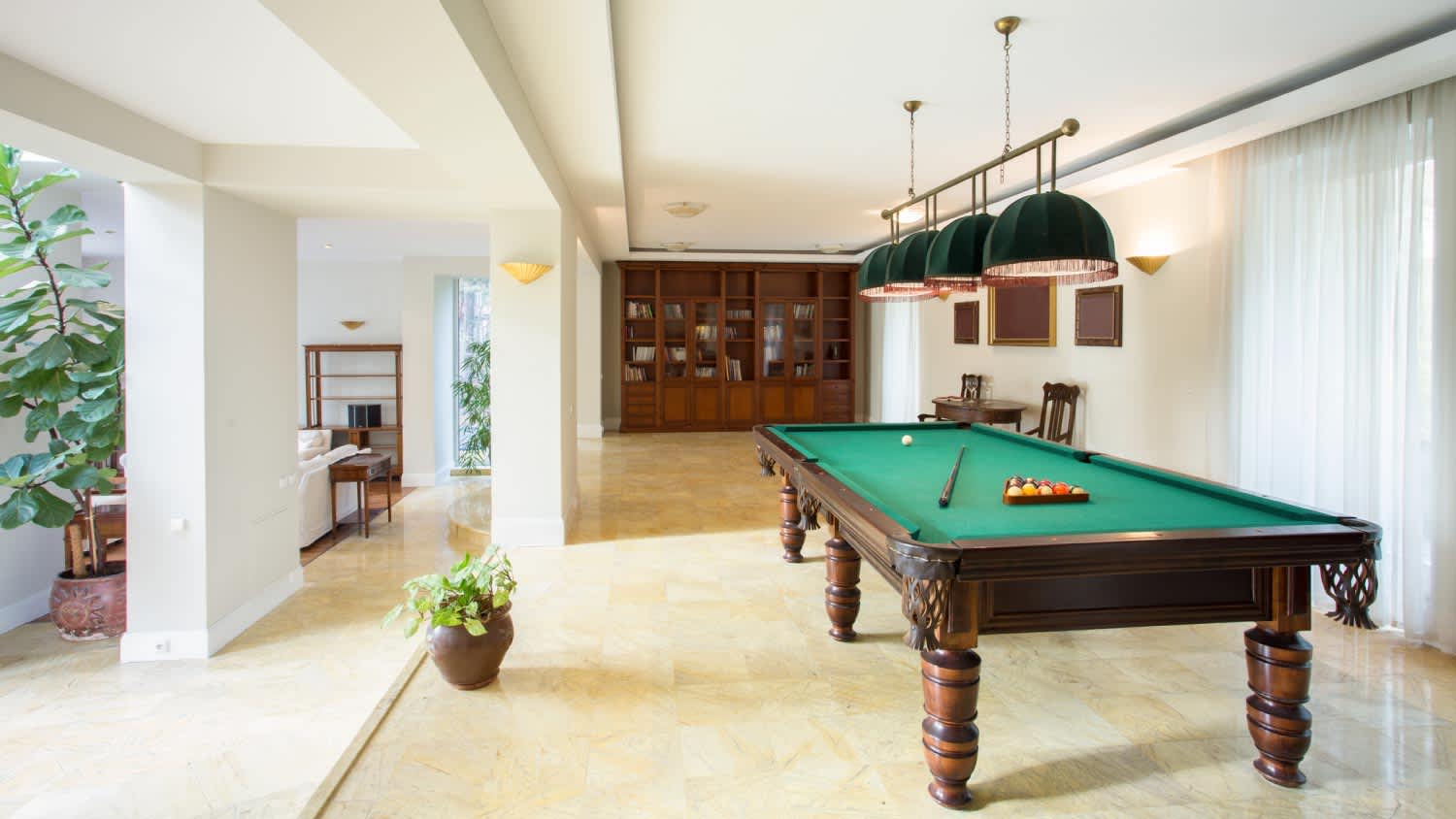





Top-rated pool table assembly pros.

Get matched with top pool table assembly pros in Poplarville, MS

Enter your zip and get matched with up to 5 pros

Need a pro for your pool table assembly project in Poplarville, MS?

Select your specific project to find the pro for you.

TRUSTED BY POPLARVILLE, MS HOMEOWNERS

  • Average homeowner rating star icon4.1
    Average homeowner rating
  • Verified reviews icon45
    Verified pool table assembly services reviews

Find Pool table assembly pros in Poplarville

...
Showing 1-10 of 158
Pool Table Assembly questions, answered by experts

While some water loss from splashing and evaporation is normal, a rapid or excessive drop in the water level may indicate a leak. Other signs of a pool leak include unexplained soft or wet spots in the yard, cracks in the pool structure or falling tiles, higher-than-normal water bills, persistent algae growth or water discoloration, and standing water around the pump, pipes, or other pool equipment.

Most importantly, you should never cut corners when building a pool. Whether it’s an in-ground or aboveground, poorly constructed pools are dangerous to both the swimmers and your property. Leaks can even lead to home foundation damage. While you can DIY smaller elements of pool installation, always hire a contractor to oversee the process.

Chlorine performs several functions, depending on where and how you use it. In drinking water, chlorine in small amounts kills potentially harmful bacteria. It's also a common ingredient in detergents for its whitening properties. Most people associate the chemical with pool use, where it works to kill and control bacteria, germs, and viruses in the water. 

Yes, too much chlorine can make your pool cloudy, especially after you have recently shocked it. However, low chlorine levels are a more common cause of cloudy water. An imbalance in pH or an excess of any chemical can also lead to cloudiness. To determine the specific cause, you should test your pool water to check the levels of chlorine, pH, and other chemicals. Regular maintenance is essential for keeping your pool clean and clear.

Yes, pool pumps use a significant amount of electricity, making them one of the biggest energy consumers in a home. A pool pump can use up to three times as much electricity as a refrigerator. Typically, a residential pool pump consumes about 1 kilowatt-hour (kWh) for every hour it runs. Because pumps often need to run for about eight hours a day to properly filter the water, this can add up to an annual consumption of 3,000 to 5,000 kWh, which can cost between $480 and $800 per year based on average electricity rates.

The amount of electricity your pump uses depends on its size, energy efficiency, and daily run time. To lower your energy consumption, you can choose an energy-efficient or variable-speed pump, ensure it is correctly sized for your pool, and run it only for the minimum time required to keep the water clean.

The Poplarville, MS homeowners’ guide to pool table assembly services

From average costs to expert advice, get all the answers you need to get your job done.