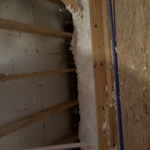
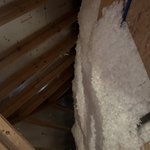
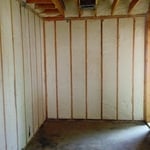
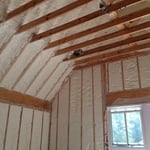
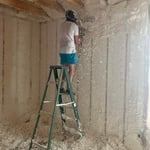
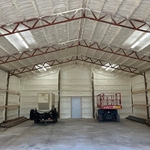
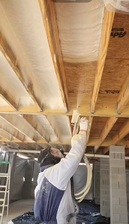
"The men were on time, knew what was needed and cleaned up after. They were a great team. I spoke with the manager who helped me decide what would be best for my situation. I recommend them to everyone for insulation of their attics. Thank you Mr. Brock. It was a pleasure."
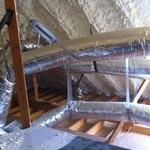
"This was a two part job. The first part was to spray the AC ducts under a mobile home. The second part was regular type insulation under the mobile home. We are very satisfied with both parts and can already see a difference in electric bill. We would recommend calling LHS Insulation for all your insulating needs. Jane and Henry C. From Gonzales, La"
"Had Gillespie Insulation come out to air seal our attic and install new blown-in fiberglass insulation. They did a great job, showed up when they said they would, and took the time to explain everything they were doing. The house already feels more comfortable, and everything was left clean when they finished. Would definitely recommend them to anyone needing insulation work."
One Eighty LLC is a professional company. We have wide range of services and can help you with your Insulation needs. We have been in this industry for 10 years. We offer Financing! We strongly believe in giving our customers the most for their money. We have consistently focused on the needs of our customers, providing personalized attention and a stress-free experience. This approach has set us apart from our competition and keeps our customers coming back! You can be sure your project will be handled promptly and professionally. Call us today to schedule your appointment!
\n
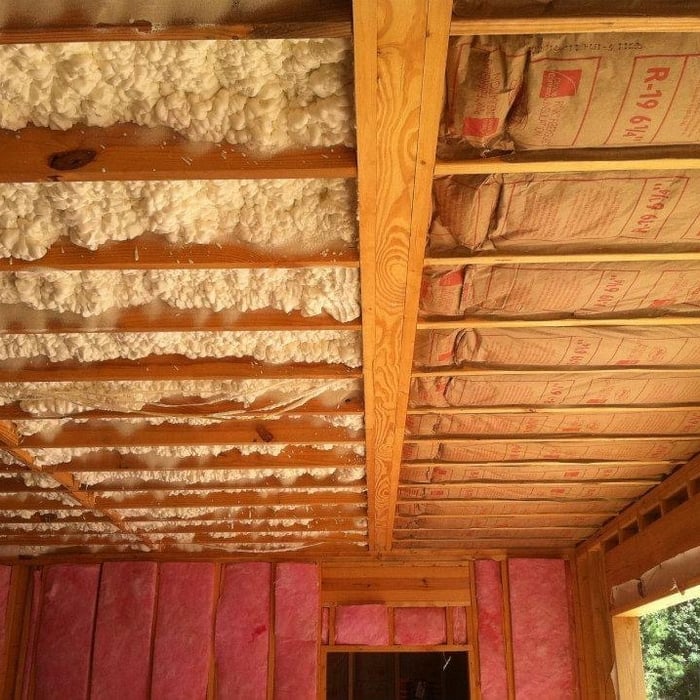
"Florida Parish Foam is a group of professionals that truly does professional work, great craftsmanship, honesty, at a honest and fair price, highly recommended for all you insulation needs."
"Greg came out and they would do during the installation such as puttint up dry wall so they have something to attach the door opener to. They used the dry wall that I had which was the way I wanted it. When Jim came out to install the garage door he called me when he was leaving Meridian and told me approximately when he would arrive. He was very punctual as was Greg. Jim installed the door just as was discussed. It took him most of the day as this was an odd size door. Jim was very plesant and knowledgable about the products and told me what he was doing and why he was doing things the way he was doing them. I have a tendency to ask a lot of questions about what is going on and he answered every question I had. When he was finished he explained the operation of the door and how to program the outside key lock as well, He told me if I had a questions in the future do not hesitate to call. Jim was very thorough about making sure he picked up any mess he has made. I would not hesitate to use them again in the future. In fact I am going to talk to them about the insullation in my home late on.
"They gave me very good service. They made sure to enclose the attic space so the impact on the household was minimal. The personnel were very pleasant to deal with. When I had to have the old insulation removed, they did the work quickly and cleanly. There was no residue in the house. I recommend them highly."
"They did an excellent job. They cleaned up after themselves really well. They explained everything in a way that we could understand. If we had any questions they were willing to answer and be really helpful. There sales person really knew his stuff. They painted the metal roof and the place where we went to pick the colors was really nice. They were really quiet when they were doing the work. They screw in the nails instead of nailing them. Also, they put a insulate liner under the metal roof to make the attic cooler. This helps us save money in utilities, and we have actually seen a difference in the bill."
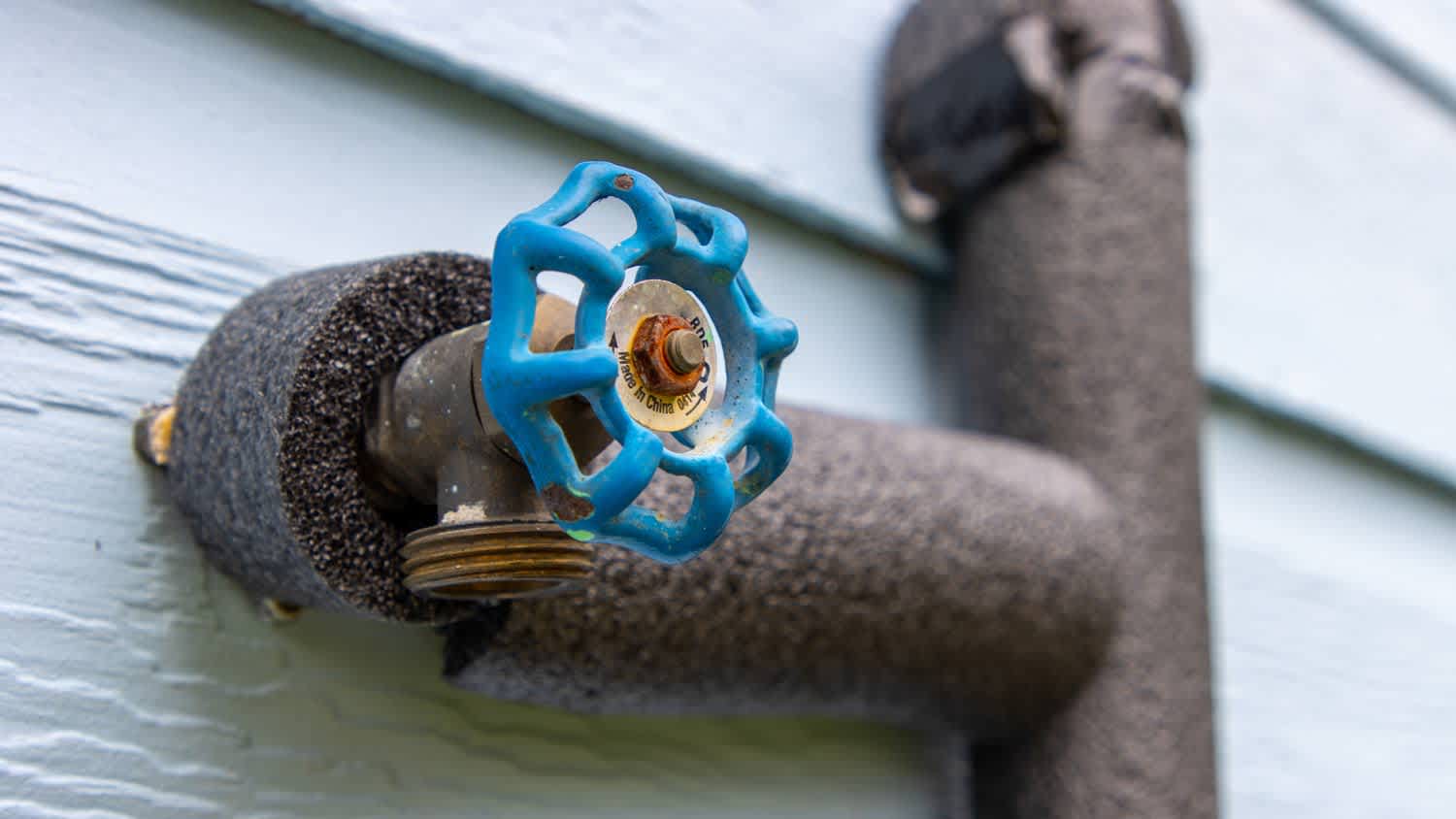
If the outside temperature drops below 20 degrees Fahrenheit, it will take around six hours for your pipes to freeze—and they might even burst. That’s why keeping your mobile home’s temperature around 50 to 60 degrees Fahrenheit is necessary, even if you’re leaving it vacant for the winter. In addition, having ample skirting around the mobile home's underbelly will help keep pipes insulated during the winter.
Yes, proper insulation in your attic or ceiling can help prevent ice dams. When attic spaces are too warm, they cause the snow on the roof over those areas to melt more quickly than the rest of the roof and then travel downward to a colder section of the roof where they refreeze. If less heat is allowed to escape from underneath the roof, snow will melt at a more consistent rate, making ice dams less likely.
An insulated garage benefits from roof vents to ensure proper ventilation and prevent moisture buildup. Insulation can trap moisture in the garage, especially during temperature fluctuations, and roof vents play a crucial role in expelling the moisture in the air. Including roof vents promotes air circulation, preventing condensation and enhancing overall air quality.
The average cost to install insulation is around $1,800, but you could pay anywhere between $500 and $4,500, depending on various factors. Some of the things that have a significant influence on your pricing include the following:
Size of the area
Type and R-value of the insulation
Whether your space is finished or unfinished
Accessibility of the area
Your geographical location
Amount of site preparation, especially for blown-in insulation
Whether or not you need old insulation removed
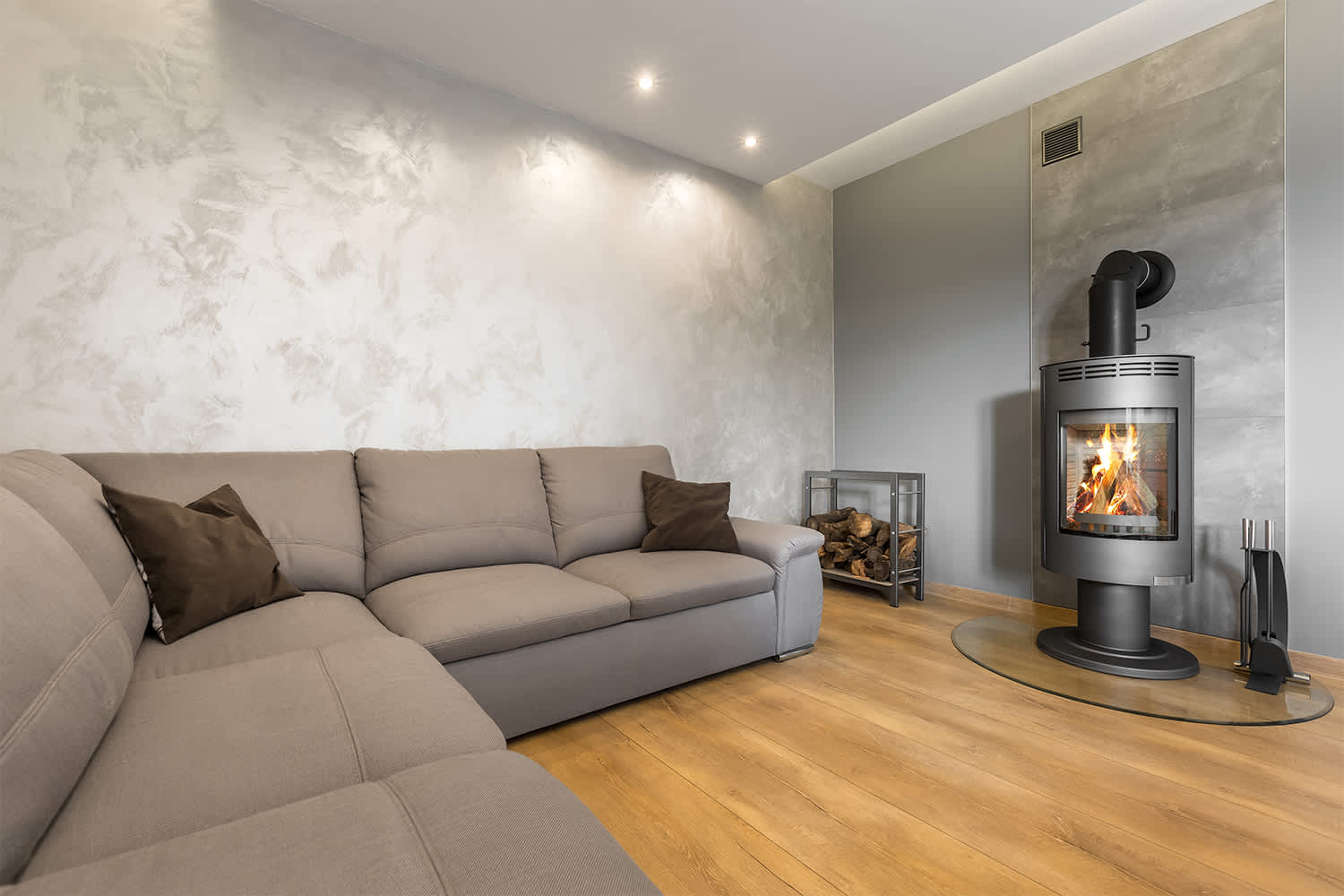
Chimney liners often benefit from insulation, though it is not always required. Insulation helps improve the liner's efficiency by keeping flue gasses hotter, which enhances draft and reduces creosote buildup. It also prevents condensation, which can lead to corrosion. Insulation is important for chimneys on exterior walls or in colder climates. Some building codes may require insulation, so checking local regulations is essential.
The Poplarville, MS homeowners’ guide to insulation services
From average costs to expert advice, get all the answers you need to get your job done.
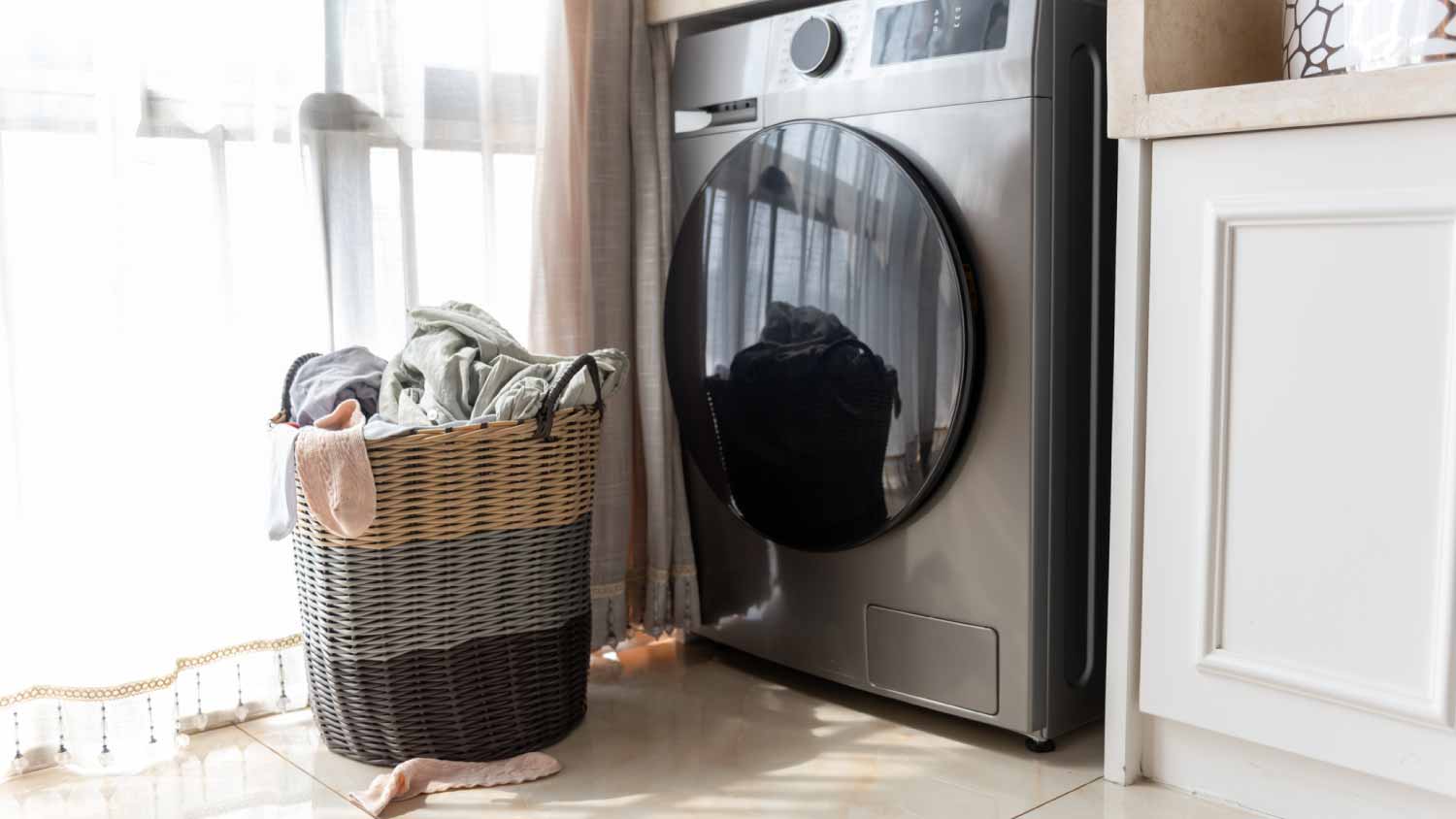
Learn how to decide if your home needs dryer vent insulation to protect your vent from drafts and moisture that can make your energy usage less efficient. Poorly ventilated dryer vents also increase mold risks!
Removing old insulation may be necessary for upgrading your insulation. Keep reading to see if you should remove old insulation before adding new insulation.
Learning how to insulate plaster walls can help improve your home's energy efficiency. However, there are crucial cautions to consider before attempting.