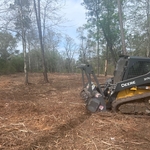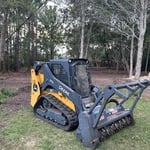


Top-rated excavation pros.

Best excavation pros near Pass Christian, MS

Enter your zip and get matched with up to 5 pros

Need a pro for your excavation project in Pass Christian, MS?

Select your specific project to find the pro for you.

TRUSTED BY PASS CHRISTIAN, MS HOMEOWNERS

  • Average homeowner rating star icon4.5
    Average homeowner rating
  • Verified reviews icon17
    Verified excavation services reviews

Top-Rated Excavation pros in Pass Christian - Updated Nov 2026

Avatar for BP2 Construction Company
BP2 Construction Company
4.5(
11
)
Building Site - Preparation and Clearing

Serving Pass Christian, MS and surrounding areas

Approved

In business since 2017

Free estimates

Credit card accepted

"Highly recommend BP2 Construction Company for any job. They were professional, friendly, hard working, and installed a beautiful privacy fence that is very impressive in one day. I will definitely use and recommend their company for future projects."
Response time6 days
Response rate94%
2 neighbors recently requested a quote
Crum Enterprises
4.5(
1
)
Building Site - Preparation and Clearing - For BusinessExcavation - Major Grading or Resloping - For Business

Serving Pass Christian, MS and surrounding areas

Approved

In business since 2018

Free estimates

Credit card accepted

With 20 + years experience, we work hard to bring each customer the best possible service and quality available. We look forward to working with you on your next project. We welcome your questions and thank you for your interest. \n

Response time20 mins
Recommended by100%of homeowners

Avatar for JTV Excavations
JTV Excavations
5.0(
8
)
Building Site - Preparation and ClearingExcavation - Major Grading or Resloping

Serving Pass Christian, MS and surrounding areas

In business since 2023

Free estimates

Emergency services offered

"The owner, Jimy, was very professional and courteous. I hired him to clear some trees and level out the ground where we plan on building a large patio. There were some concerns made by the contractor with the underground water lines but Mr. Jimy made all the necessary calls to ensure that nothing was in the way. It was definitely an added benefit that he is also a water systems specialist as well. The job was completed without any problems and I am very happy with the work. I would definitely recommend JTV excavations!!!"
Response time3 days
Response rate88%
Recommended by100%of homeowners

...
Showing 1-10 of 100
Excavating FAQs, answered by experts

Trenching and boring are two distinct methods for installing underground utilities. Trenching involves digging a channel using equipment like an excavator, trencher, backhoe, or shovel. While it is a simpler process, it causes significant disruption to the surface, landscaping, and surrounding ecosystems.

Boring, also known as directional boring, is a less invasive alternative that uses a drill to create a tunnel for utility lines without disturbing the surface. This method is more precise and is ideal for installations that need to go underneath buildings, roads, or bodies of water. Although boring is less disruptive, it is generally more expensive than trenching.

Yes. A metal detector is one of the quickest and easiest ways to find your septic tank. However, metal detectors can be too expensive (costing upward of $300 in some cases), and not everyone has a metal detector just lying around. If that’s the case for you, you can also take a long metal rod and poke it into the ground at regular intervals until you hit something—likely your septic tank lid.

Concrete blocks are the cheapest way to base a shed. However, the space in between allows critters to go under, burrow, and even damage your shed’s frame. For a more pest-proof option, consider building a shed base with gravel or paver stones. Both options are fairly affordable and easy enough for a DIY project. For gravel, you can build a wooden frame to contain the loose material.

Depending on the severity of the freeze and the method used, thawing frozen underground pipes can take anywhere from 30 minutes to several hours. Applying heat directly to the pipe using heat tape, infrared lamps, or hot water jetting can speed up the process. However, patience and careful monitoring are key to avoiding pipe damage.

Most residential basements are 8 to 10 feet deep. You can dig deeper depending on building codes, but it does become more difficult. You’ll likely need to install stronger foundation walls and additional supports to handle the increased load. Depending on the water table, you may also need a water management system. Clay soil can support a deeper foundation than sandy soil. A structural engineer will be able to tell you the maximum, feasible depth.

The Pass Christian, MS homeowners’ guide to excavation services

From average costs to expert advice, get all the answers you need to get your job done.