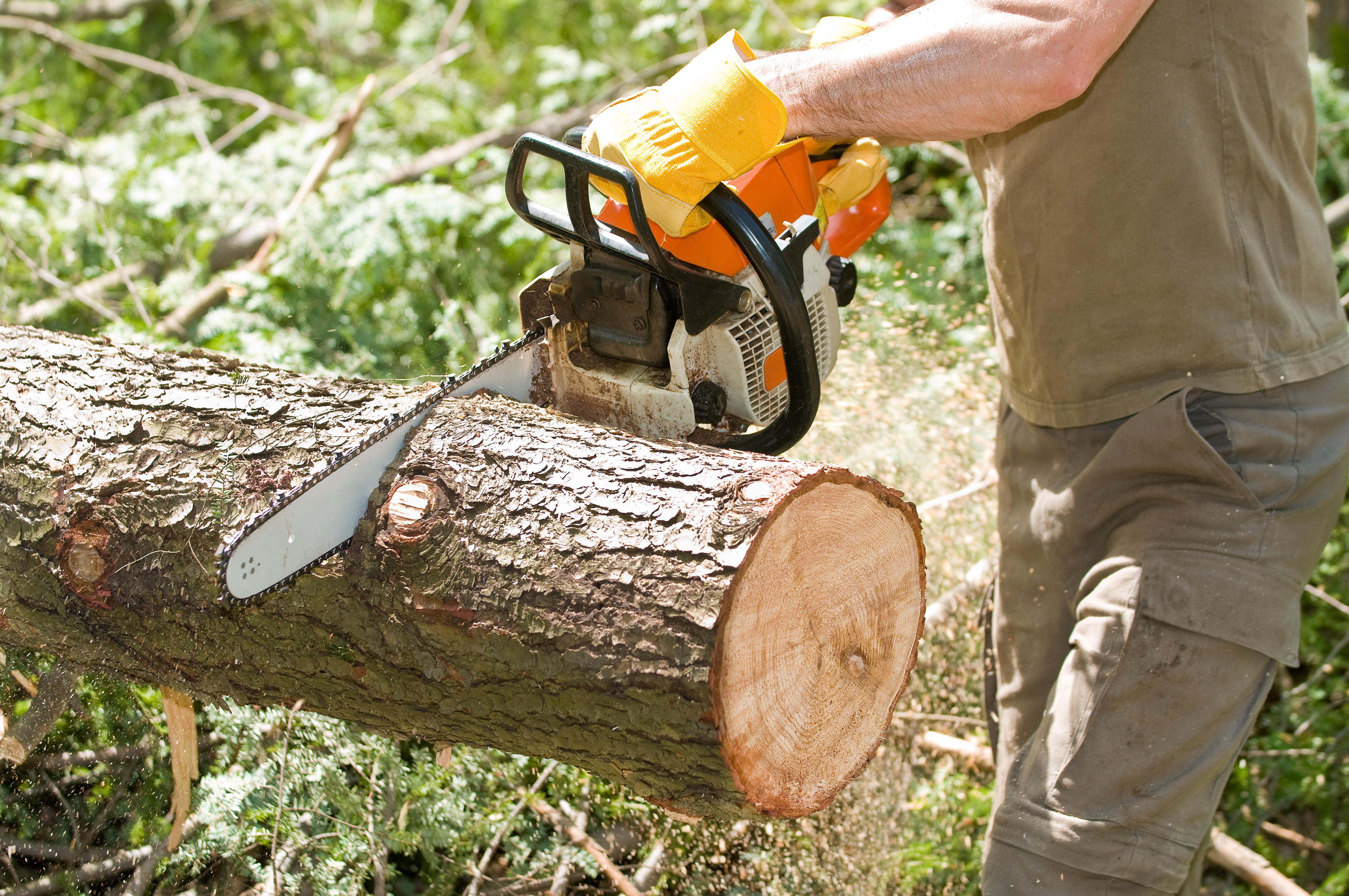
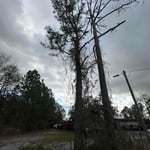
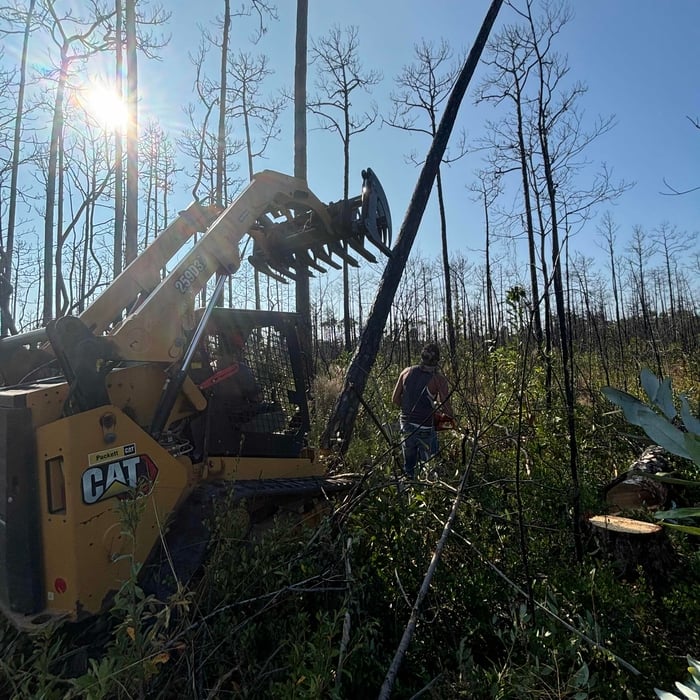
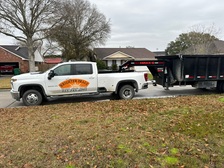
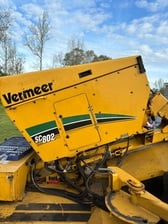
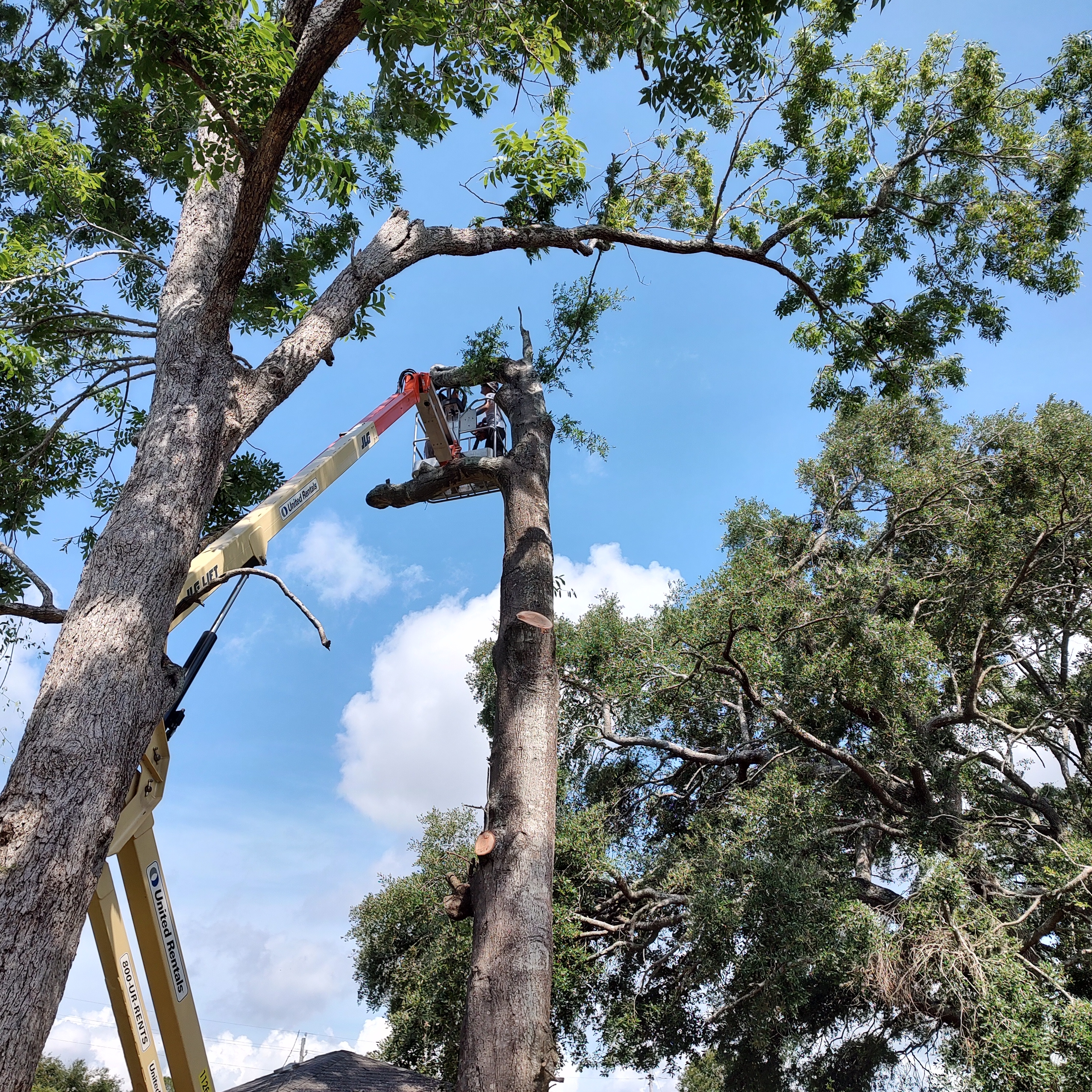
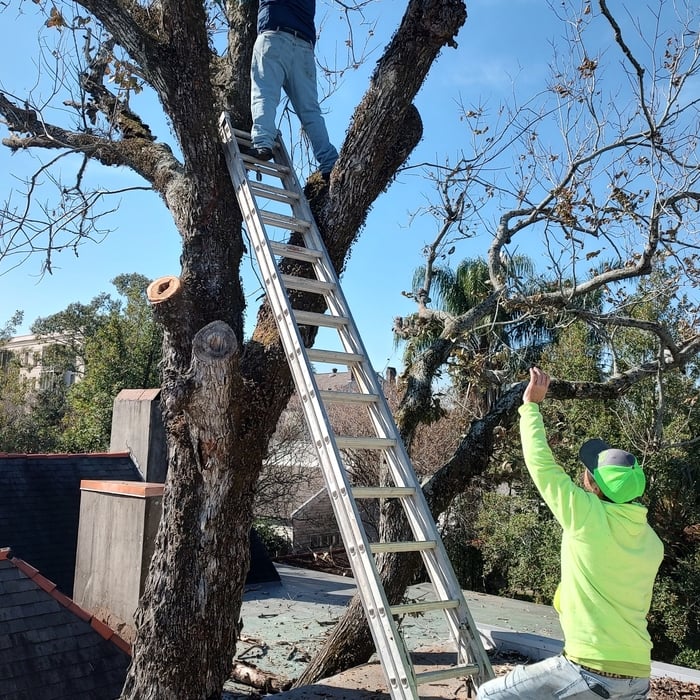
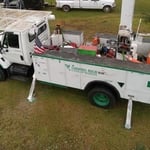
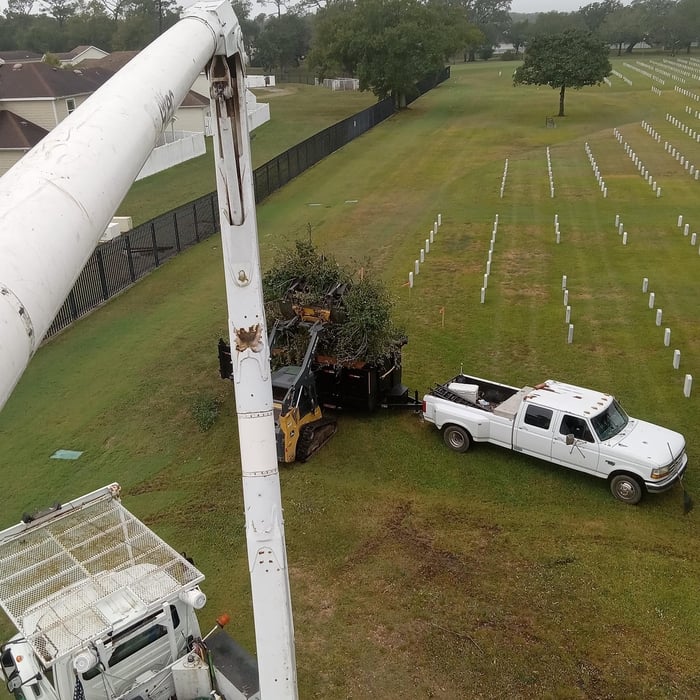
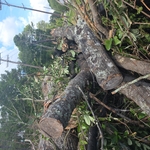
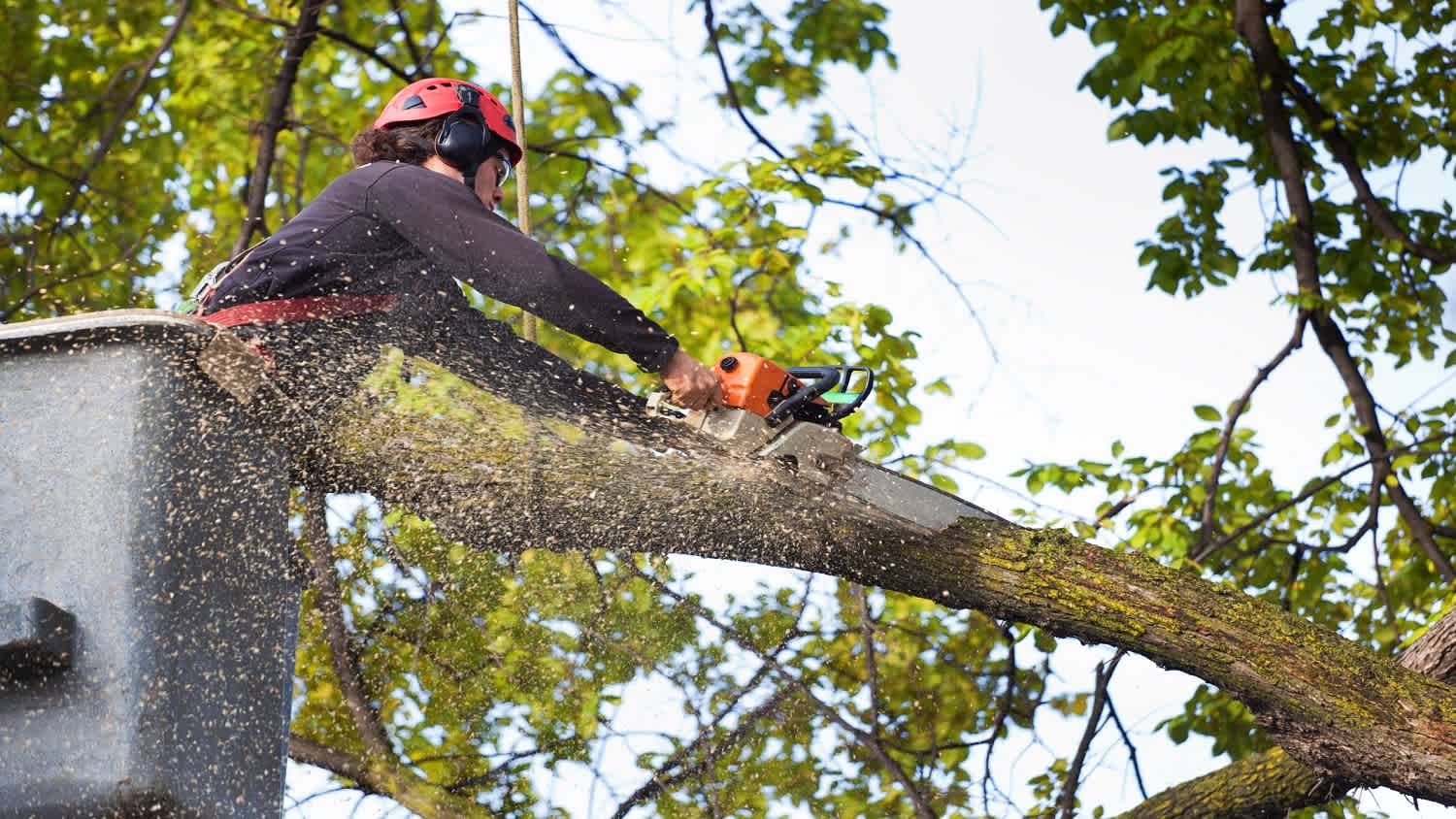
With over 25yrs of professional tree service, at Quality Tree Service we guarantee your satisfaction and we won?t leave until the job is done right. NO JOB IS TOO BIG, NO TREE IS TOO TALL!! We pride ourselves on the quality of work we provide, while delivering great customer service! Give us a Call or Click to schedule a "FREE ESTIMATE", we look forward to serving you!
"The crew at Stump King LLC is awesome they answered all my questions. And get the tree down safely and without causing any property damage. A cool group. Worth every penny."
My name is Matt. I offer full lawn service including mowing, trimming, edging, leaf removal, firewood and general yard cleaning with debris removal. I service the MS gulf coast from poplarville to gulfport.
Hi im Jesse former Husband and Father for 30+years. I have seen and fixed just about everything that can possibly break or fail inside and outside a home. From installing Floors to making ceilings repairs. Framing and sheetrock installation, replacing doors external and internal. I can haul anything from Vehicles to trash and furniture. I'm a mobile Mechanic also from brake jobs to tune ups and other repairs. Cutting grass, weed eating, Thanks God Bess.
Removing tree stumps is a dangerous and complex job that requires a high level of expertise. Many landscapers specialize in general lawn care and maintenance. But, some may have the proper licensing and qualifications needed to safely remove tree stumps. In most cases, though, landscapers will refer you to a local tree removal or stump grinding company.
If you’re taking down a tree that you don’t suspect is affected by disease or pests and it’s nowhere near your home or other structures, then calling in a tree company should work fine. However, anything more involved means an arborist is a better option. These pros have years of experience with tree removal and can safely take down trees located next to structures, and they have the tools, sanitization equipment, and experience to remove sick or dying trees without infecting nearby trees.
A tree growing close to a house can pose several risks, but removal isn't always the only or best solution. Potential problems include roots growing into the foundation and causing structural cracks, branches damaging the roof or promoting moss growth, and debris clogging gutters, which can lead to water damage. Trees can also provide access for pests and encourage mold. However, a small, healthy tree may not be a problem, and for larger, established trees, strategic trimming can be a cheaper and more beneficial alternative to removal. It is generally recommended to take action for trees within 10 to 20 feet of your home, especially if they are unhealthy or encroaching. Your best bet is to consult a professional arborist who can assess the specific situation and provide expert advice.
Early signs that a tree is struggling include premature leaf shedding and lesions or other strange markings. Peeling bark, dead or rotten branches on the ground, and a conspicuous lack of leaves can all be signs that a tree has started to die. By the time a tree starts leaning, it’s usually too far gone to save.
Pruning can impact cold hardiness—but it’s less about the exact temperature and more about temperature variation. Generally, you don’t want to prune trees when there’s a risk of temperatures suddenly dropping from 50 to 60 degrees Fahrenheit to 0 degrees Fahrenheit or below. A tree is most sensitive until 48 hours after it’s pruned.
The Nicholson, MS homeowners’ guide to tree services
From average costs to expert advice, get all the answers you need to get your job done.
Tree inspections can ensure your trees stay healthy and safe, preventing costly damage. Learn how much tree inspections cost and what can affect the price.
How much does an arborist cost? This guide explains the cost of different services, ongoing expenses, and other factors to consider when hiring an arborist.
Follow these tips to learn how to find a good tree removal service. Doing a little research can help you save time and money when you need to say goodbye to your trees.
You suspect that the leaning oak tree in the back needs to come down, but can you just handle it yourself? Here are the pros and cons of calling a tree service.