






Top-rated radon detection and reduction specialists.

Best radon detection and reduction specialists near New Hope, MS

Enter your zip and get matched with up to 5 pros

Need a pro for your radon detection and reduction project in New Hope, MS?

Select your specific project to find the pro for you.

Top-Rated Radon detection and reduction specialists in New Hope - Updated Nov 2026

Mid South Property Inspections, LLC
5.0(
5
)
Radon Gas - Testing

Serving New Hope, MS and surrounding areas

In business since 2000

Free estimates

Credit card accepted

"Mid South Property Inspections was a great investment. Mr. Vincent was extremely professional and polite. He was always quick to return my calls or answer our questions. His report was top notch! 55 pages of detailed inspection with over 100 pictures detailing his findings, recommendations for repairs, and maintenance ideas. Would recommend him and his company to anyone looking for a great home inspection to assess the value of large investment."

 Batesville, MS
 Oxford, MS
 Cleveland, MS
 Jackson, MS
 Columbus, MS

+5

Recommended by100%of homeowners

Radon Detection and Reduction FAQs, answered by experts

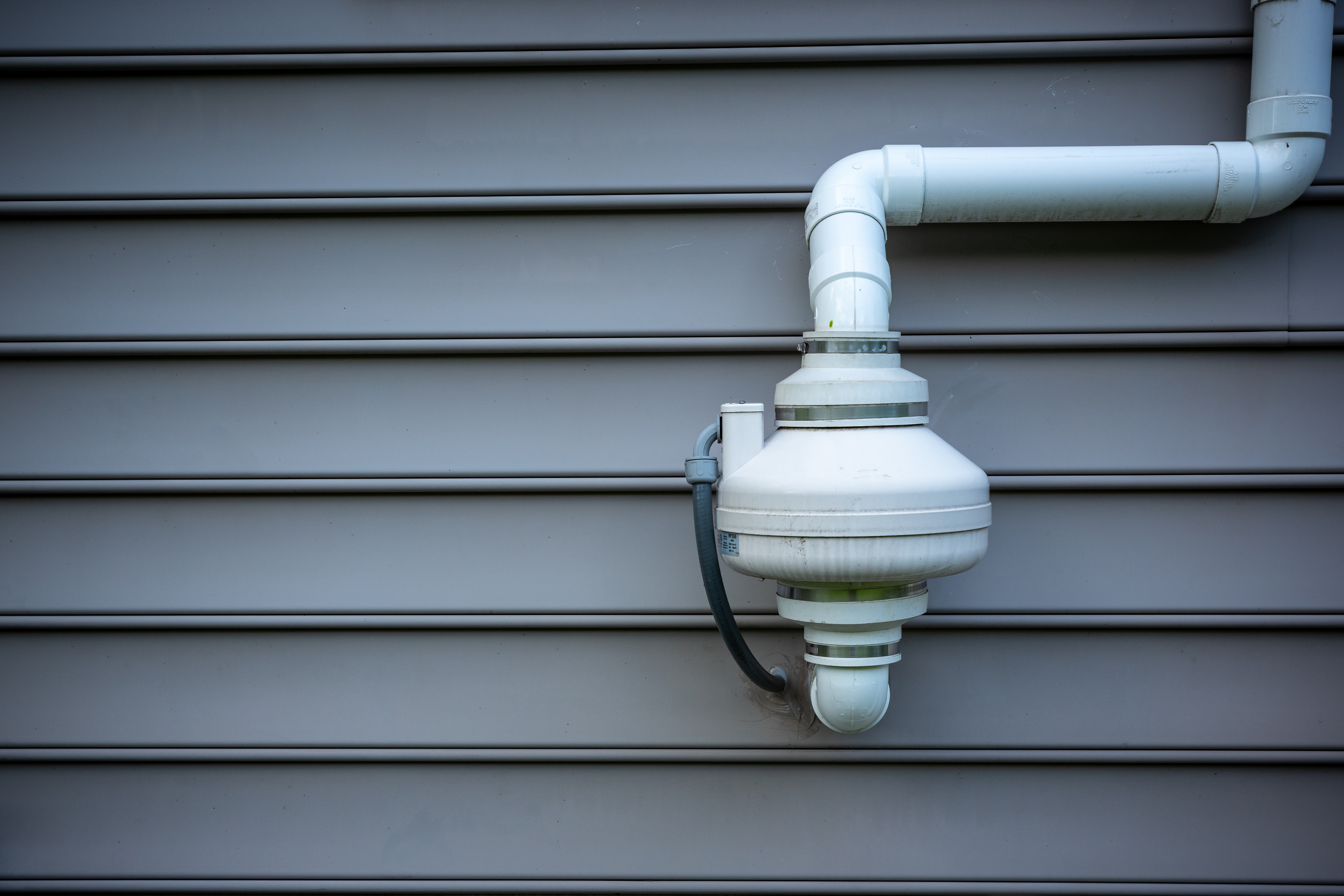
If your home has a sump pit, you can integrate it with a radon mitigation system. You can accomplish this by sealing the pump cover with an airtight lid that accommodates radon vent pipes and sump pump hoses. This allows the vent pipe to redirect the radon gas outside of your home.

Abatement includes sealing entry points and venting with systems that reduce radon levels below recommended EPA limits. It is handled by certified professionals.

The average radon mitigation system uses about 876 kWh of electricity per year, although the exact amount of electricity used will vary depending on the size of the radon fan. Once the system is installed, the annual increase to your energy bill could range from $30 to $300 per year, again depending on the size of the fan.

The natural breakdown of uranium in soil, rock, and water can cause radon to appear in a home. The gas seeps into homes through cracks in foundations, walls, or floors, as well as through gaps around pipes or construction joints. Radon levels are influenced by soil composition, building materials, and ventilation. Poorly sealed or airtight homes can trap radon, allowing it to accumulate.

Radon is present almost everywhere but, like sunlight, the concentration levels and how often you are exposed to it have a large part to play in just how dangerous it is. There are levels of radon that are acceptable inside a house, but above a certain limit, radon becomes a serious radioactive hazard that is a known cause of lung cancer. In fact, radon exposure is the number two leading cause of lung cancer (after smoking).

The New Hope, MS homeowners’ guide to radon detection and reduction services

From average costs to expert advice, get all the answers you need to get your job done.