

Top-rated radon detection and reduction specialists.

Get matched with top radon detection and reduction specialists in Carrollton, AL

Enter your zip and get matched with up to 5 pros

Need a pro for your radon detection and reduction project in Carrollton, AL?

Select your specific project to find the pro for you.

Find Radon detection and reduction specialists in Carrollton

Bioremsci LLC
New to Angi

Serving Carrollton, AL and surrounding areas

In business since 2012

Emergency services offered

Offers commercial services

see our website at www.bioremsci.com for full description of our company and its services. We believe that we are one of only a very few companies in the USA that has our range of qualifications and experiences in biological sampling, testing, issue coordination, and problem resolution/industrial hygiene protocol development and monitoring.

Response time4 hrs
Response rate100%
Radon Detection and Reduction questions, answered by experts

No level of radon is technically safe, but since it is present everywhere, complete avoidance is impossible. The average radon level in homes across the United States is 1.3 picocuries per liter (pCi/L). The Environmental Protection Agency (EPA) recommends taking preventative measures if your home's radon levels are between 2 and 4 pCi/L or higher.

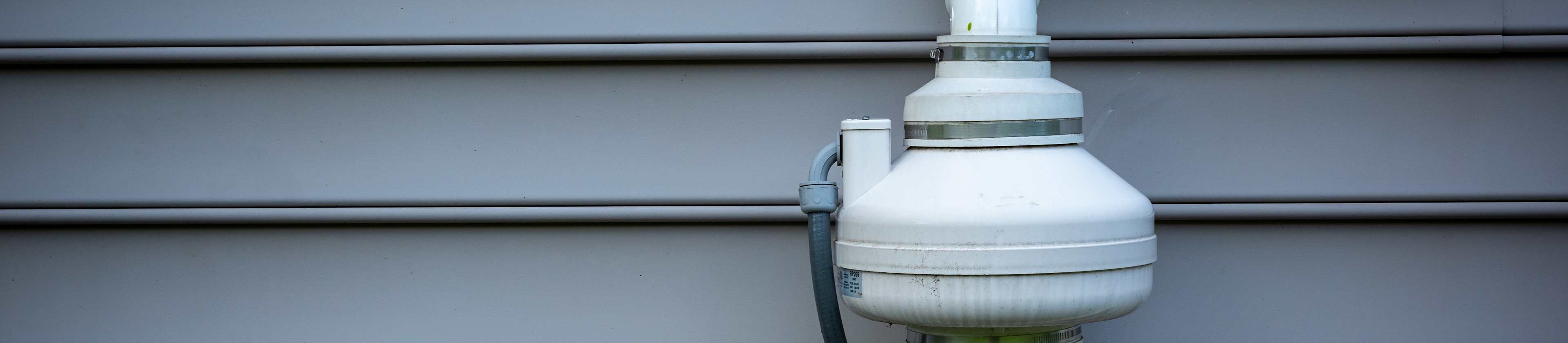
Radon enters your home when warm air begins to rise and exits through the roof, creating a vacuum that pulls cooler air from under the foundation. Part of that air is radon, which is an invisible, odorless gas that develops naturally when radioactive particles are deep within the ground. Those particles usually come from decaying matter in soil and rocks.

No level of radon is technically safe, but since it is naturally present everywhere, it is impossible to avoid entirely. The average radon level in homes across the United States is 1.3 picocuries per liter (pCi/L). The Environmental Protection Agency (EPA) recommends taking action to reduce radon levels if your home's test results are between 2 and 4 pCi/L or higher.

Options include sub-slab depressurization, crawlspace ventilation, and sealing cracks. Choose based on home construction and radon levels.

You'll need to test your home for radon after installing the mitigation system, then again every two years. If radon remains elevated, contact a licensed radon professional, either the contractor who installed the system or a different one, and have them evaluate the system. They may need to make some changes to improve its effectiveness and performance.

The Carrollton, AL homeowners’ guide to radon detection and reduction services

From average costs to expert advice, get all the answers you need to get your job done.




